
Last updated August 27, 2026
Free in-home measure and quote - PGT, CGI and CWS impact lines compared on your actual openings, style by style
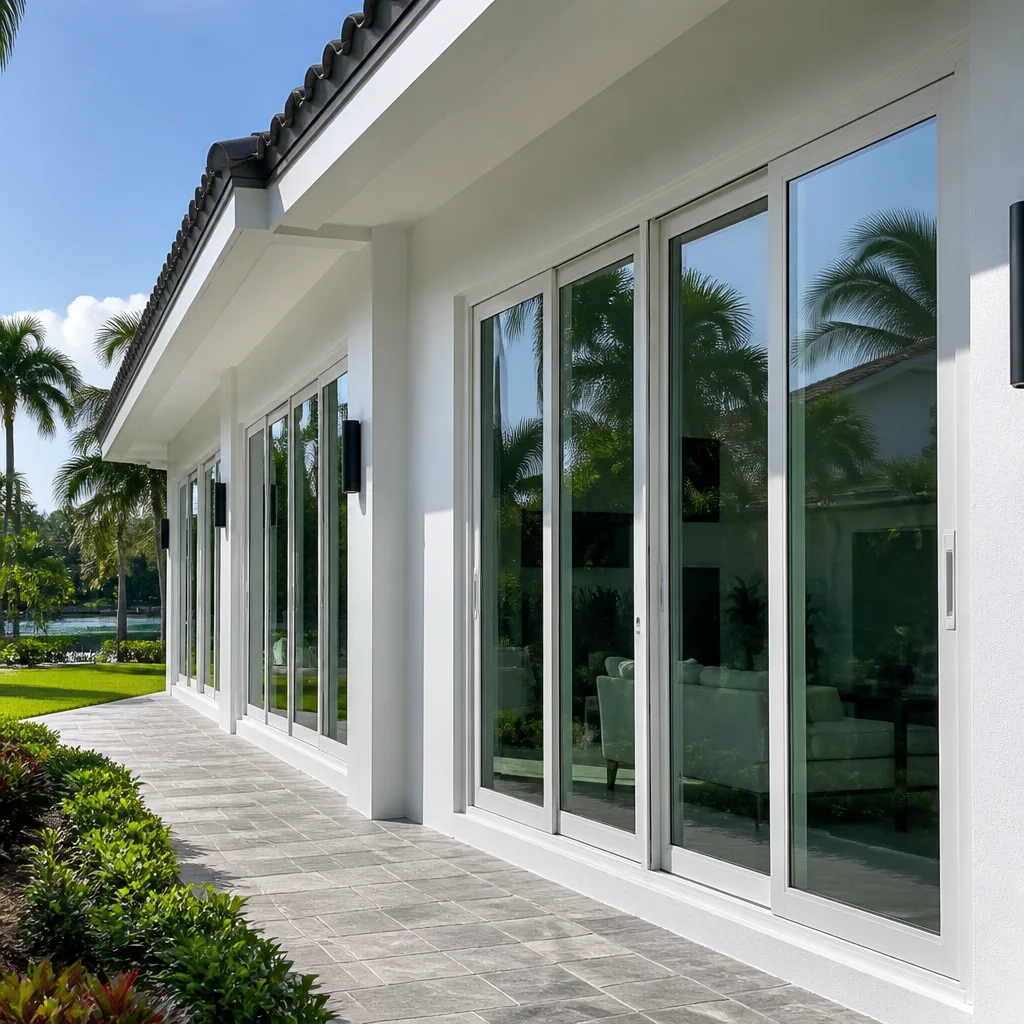
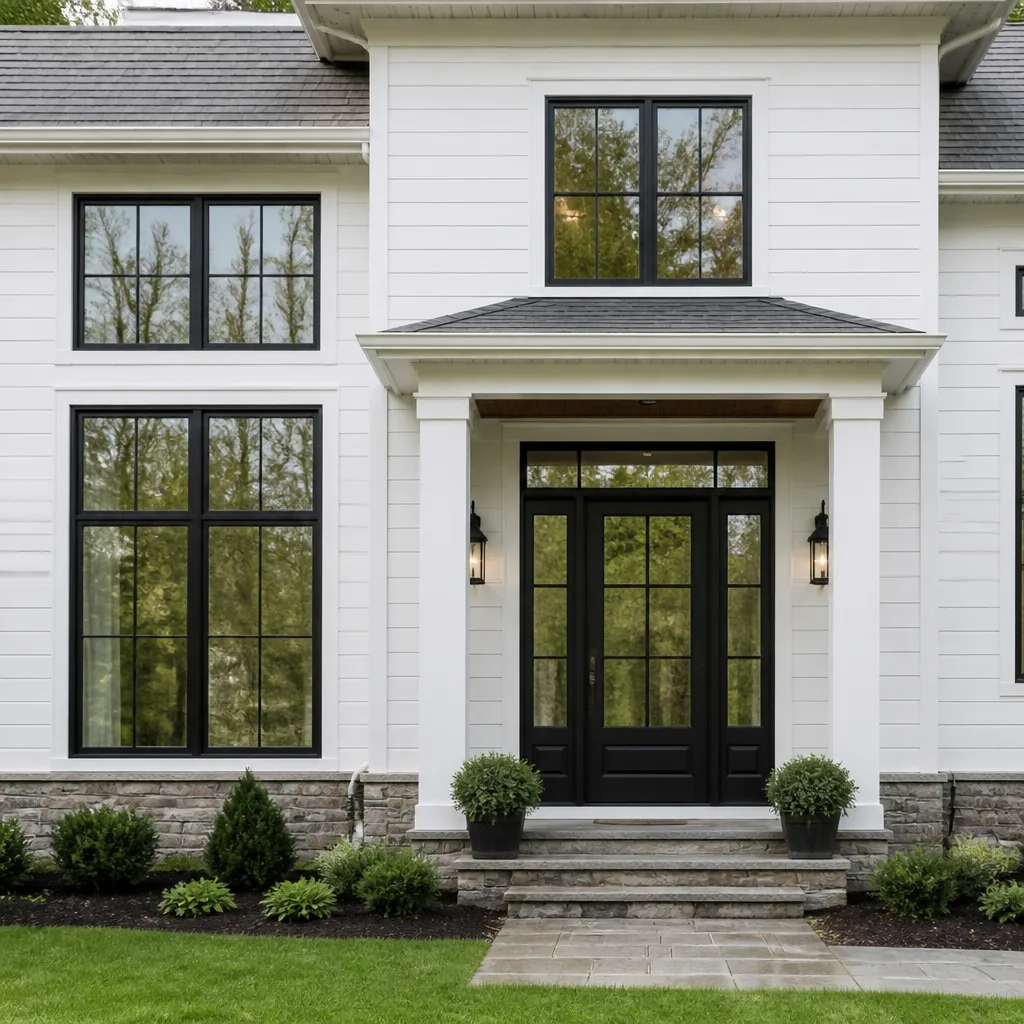
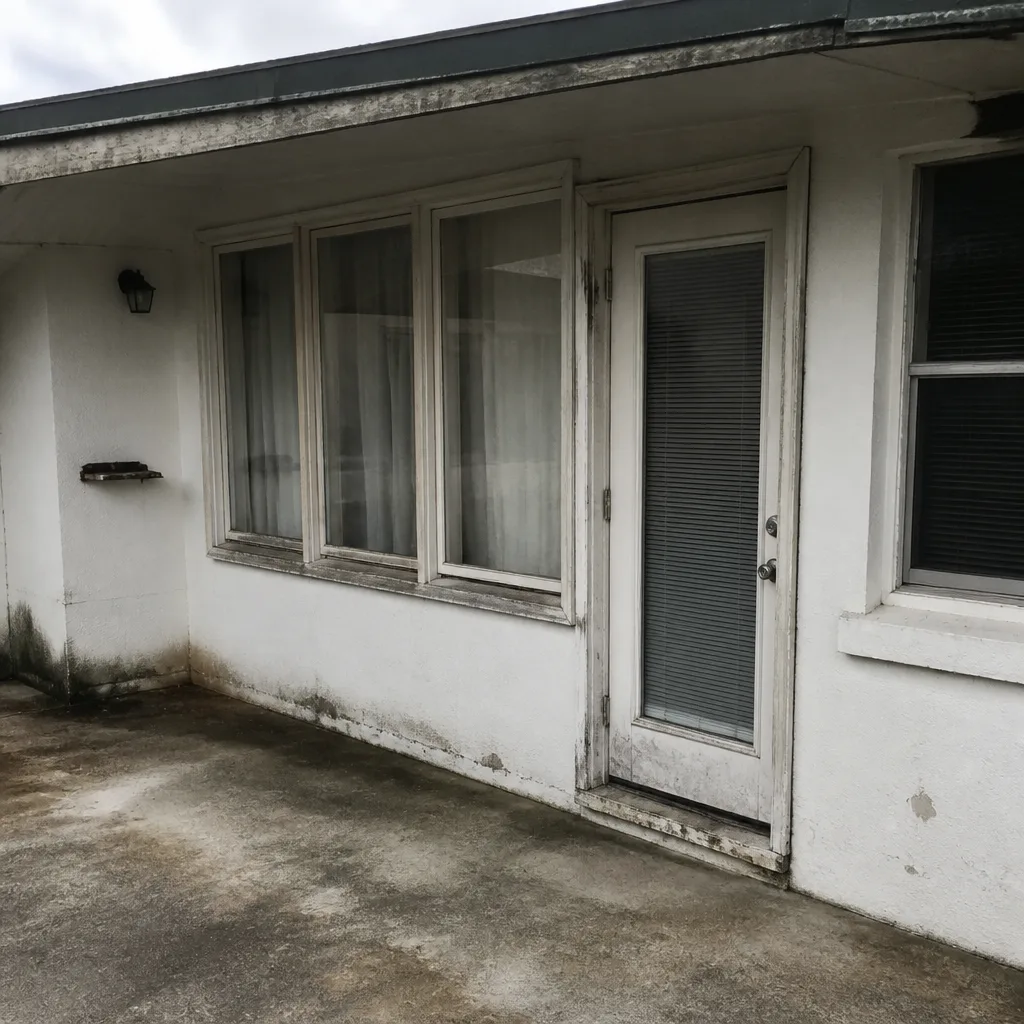 Before
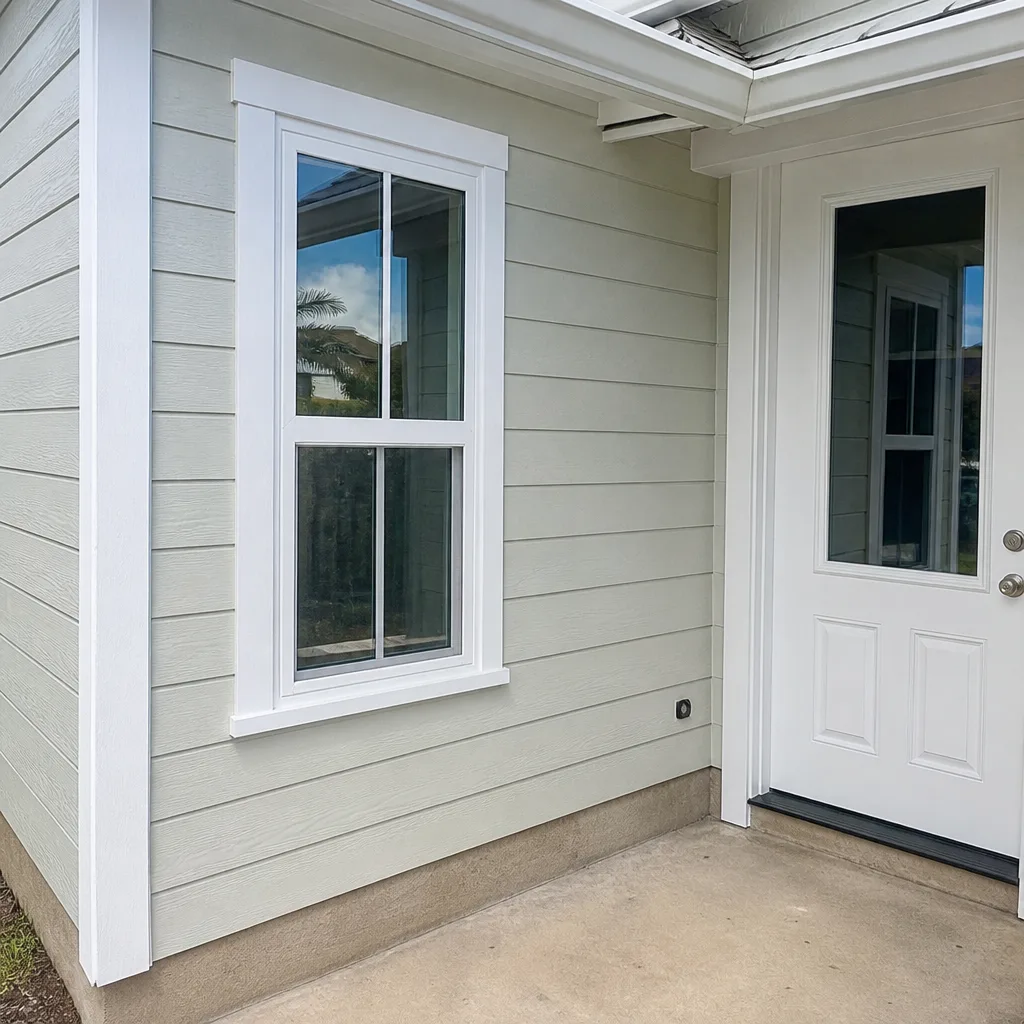 After
After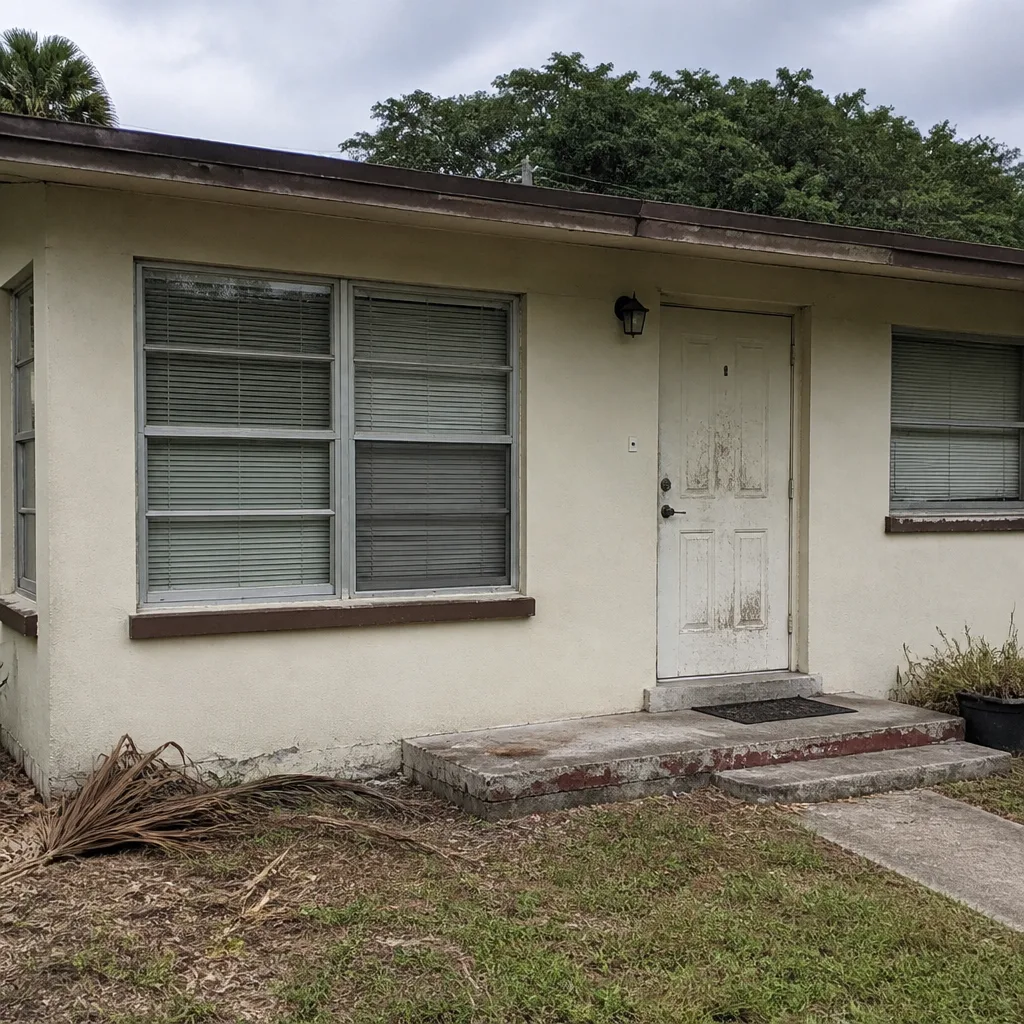 Before
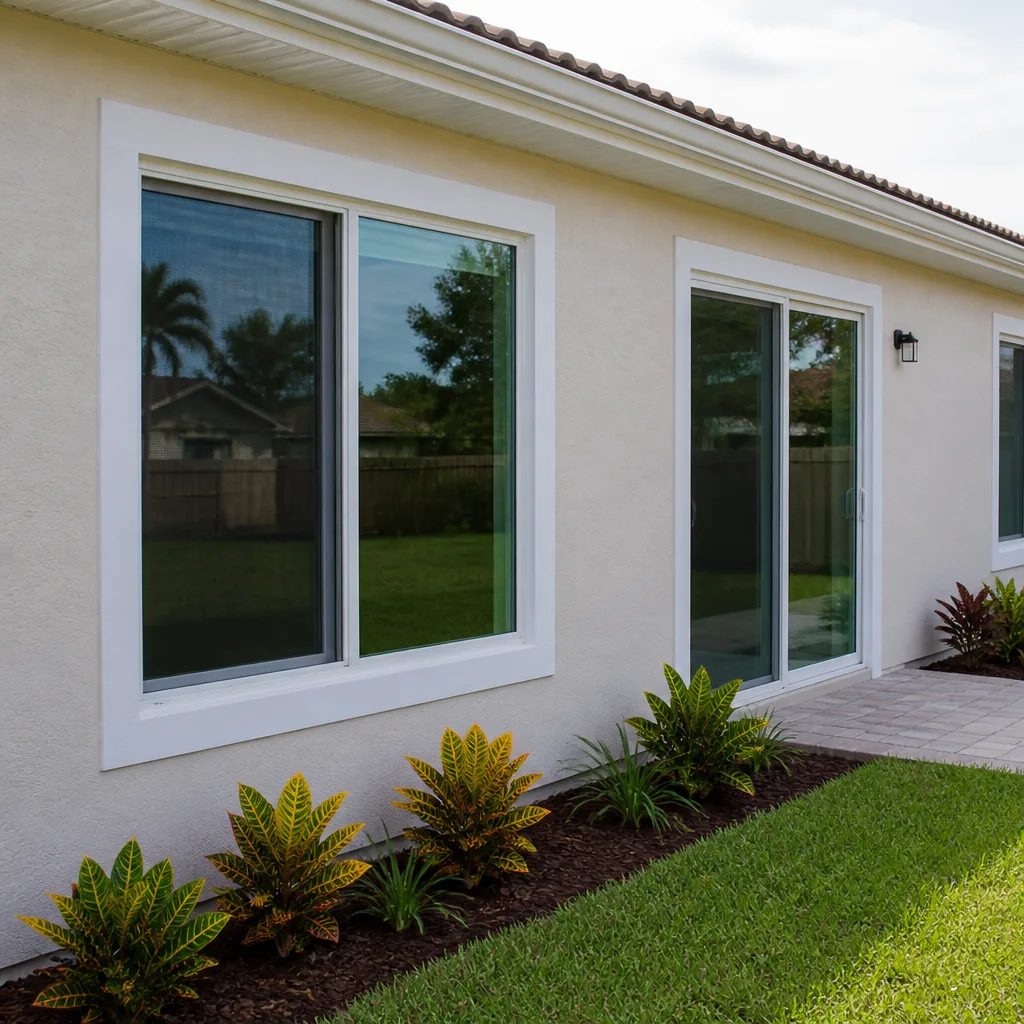 After
After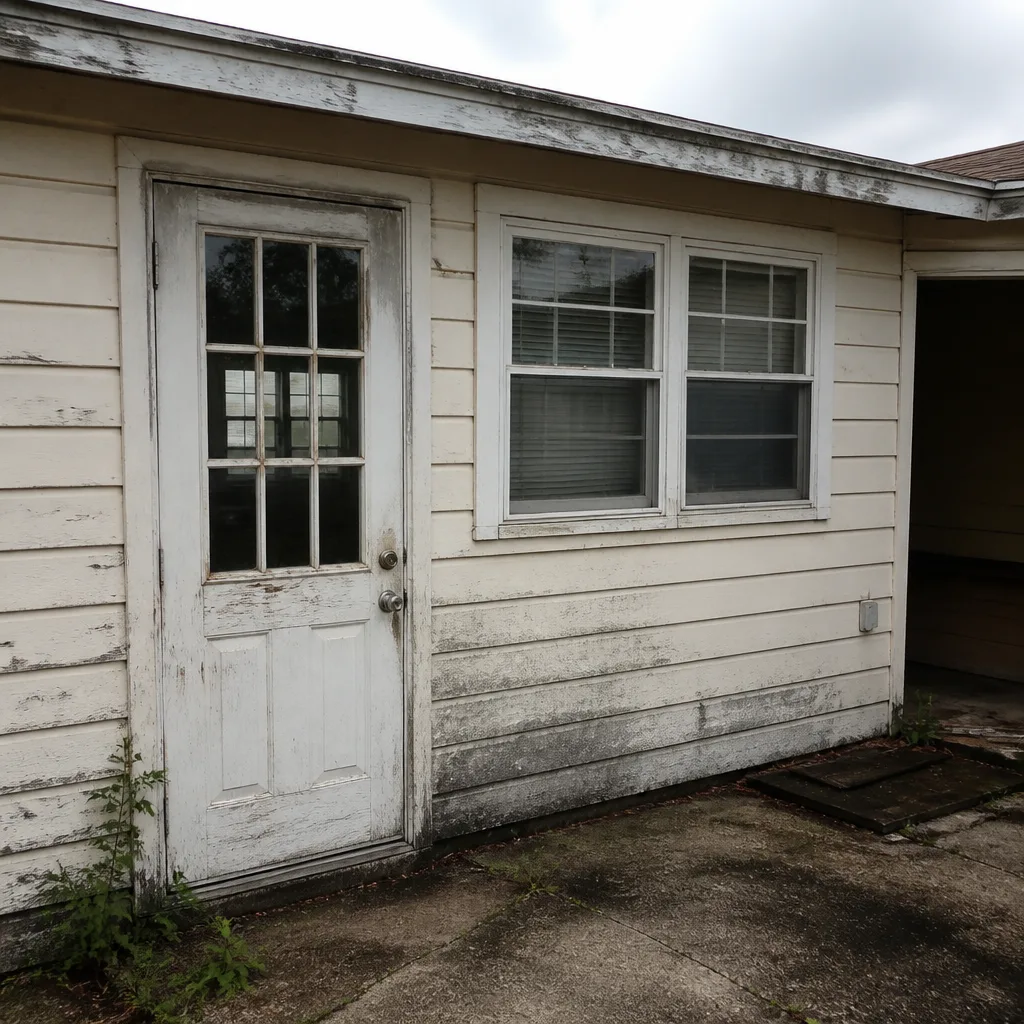 Before
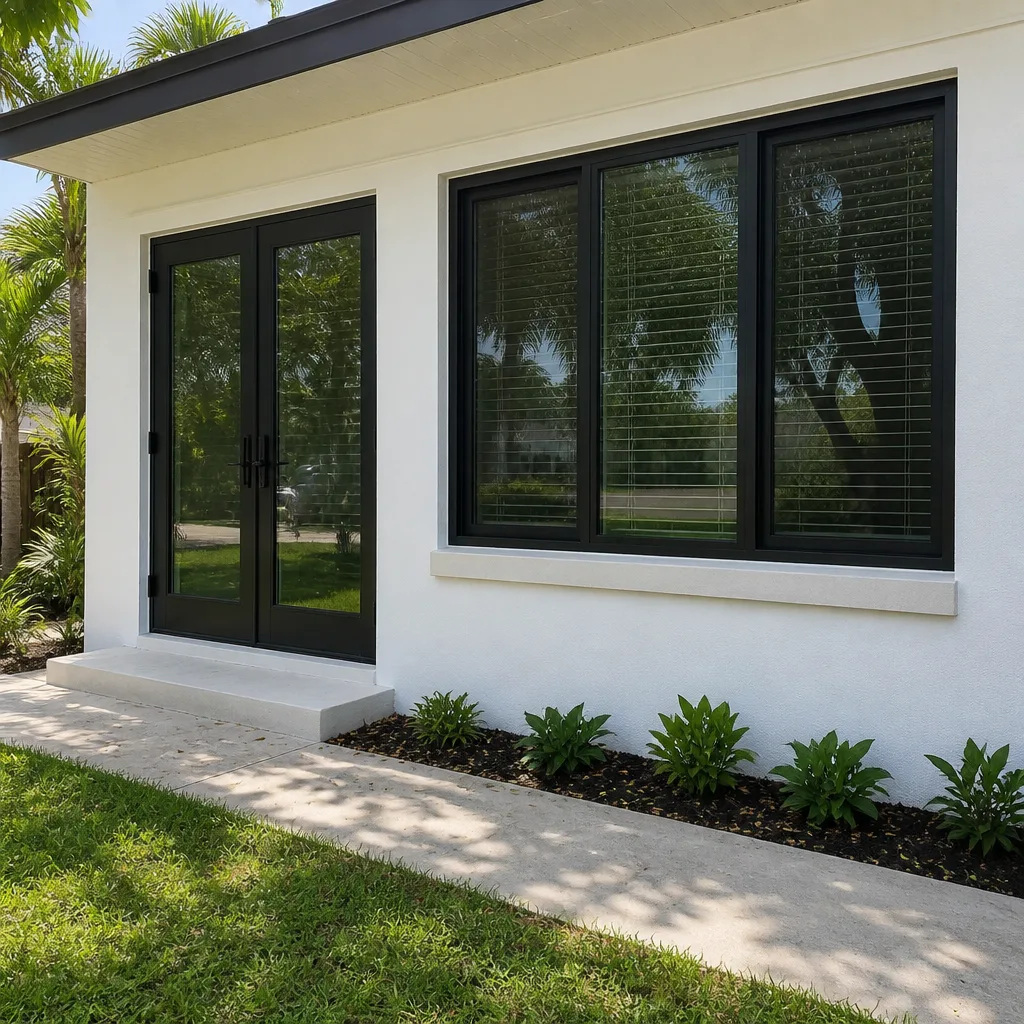 After
AfterWindows & Doors Permits, Codes & Inspections in FL: What You Need to Know
In Miami-Dade County, a product must have a Miami-Dade Notice of Acceptance (NOA) number, not just a generic impact rating, or it will fail inspection regardless of what the installer told you. That single fact trips up more Florida homeowners than any other in the window and door world, and it’s exactly the kind of thing that separates a project that sails through from one that stalls for weeks. This guide walks through the real permit pathway in Florida: what the code actually requires, how county rules diverge, what inspectors check, and what you as the homeowner are legally on the hook for. For more guides & resources, explore our blog. We’re writing this from Brownsville, where we’ve been installing windows and doors since 2011, and we’ve seen every version of these scenarios play out.
Quick Answer
Florida requires a building permit for nearly every window and door replacement, and the work must comply with the Florida Building Code (FBC), which mandates impact-rated or otherwise protected openings in most of the state’s coastal counties. The permit process varies county by county: Miami-Dade and Broward enforce the strictest High-Velocity Hurricane Zone (HVHZ) rules, while other counties follow less stringent wind-borne debris provisions. Homeowners can pull their own permits in many jurisdictions, but doing so shifts inspection scheduling, code compliance, and liability directly onto you. Expect permit fees between $75 and $400 per opening depending on county, with most projects taking two to six weeks from application to final inspection.
Table of Contents
- Florida Building Code Product Approval vs. Miami-Dade NOA: Not the Same Thing
- South Florida County-by-County Permit Breakdown
- Who Pulls the Permit? Homeowner vs. Contractor Liability
- High-Velocity Hurricane Zone (HVHZ) Requirements in Chapter 44
- What the Inspector Actually Checks: Rough and Final
- Permit Costs and Realistic Timelines in Florida
- Common Mistakes to Avoid
- When to Call a Professional
- Frequently Asked Questions
- The Bottom Line
Florida Building Code Product Approval vs. Miami-Dade NOA: Not the Same Thing
Here’s the distinction that gets people into trouble. The Florida Building Code maintains a statewide product approval system. A product with an FBC approval number has been tested to meet the code’s baseline wind and impact standards. That approval is valid statewide. A Miami-Dade NOA, by contrast, is a separate, more stringent certification issued by Miami-Dade County’s Product Control Division. It requires additional testing beyond the FBC baseline, including specific protocols for the High-Velocity Hurricane Zone.
The practical upshot: an FBC-approved window is legal in most of Florida. But in Miami-Dade County, and in municipalities that adopt Miami-Dade standards, that same window may be rejected at inspection if it lacks an NOA number. The NOA applies to the entire assembly, not just the glass. The frame, the anchoring system, the installation method, all of it must match what was tested and listed on the NOA. In Brownsville, which sits in Miami-Dade County, this is not a theoretical concern. It’s every single job. See our Windows & Doors Warning Signs: A Brownsville Homeowner’s Reference Guide for common pitfalls.
We’ve seen homeowners buy expensive “impact windows” from out-of-state suppliers, only to learn the product has no NOA and cannot be installed legally in Brownsville without a variance. Variances are not automatic. They require hearings, engineering letters, and time. The lesson: before you buy anything, ask for the NOA number if you live in Miami-Dade or any HVHZ jurisdiction, then verify it on the county’s product control database.
Broward County has its own twist. Broward maintains a product approval system that mirrors the HVHZ standard but accepts FBC approvals with supplementary documentation in certain product categories. The point is not to memorize which county accepts what. The point is that “approved” has a jurisdiction attached to it. There is no single Florida-wide stamp that guarantees you’ll pass everywhere. A product can be FBC-approved and still be un-installable in Brownsville. That’s the entire game.
How to Verify a Product Before You Buy
- Ask the seller for the product’s FBC approval number and its Miami-Dade NOA number if you’re in an HVHZ county. A legitimate installer has both on file and will show them without hesitation.
- Check the number on the Florida Building Code product approval database. If the number doesn’t appear, or the product name doesn’t match, walk away.
- For Miami-Dade, verify the NOA on the county’s Product Control Division website. Look specifically at the “assembly” section. A window that passed with one anchoring system has not passed with a different one.
- Match the exact product configuration. The tested product will have specific dimensions, glazing, and hardware. A different size from the same product line may not share the approval.
We install PGT, CGI, and other brands precisely because they maintain current NOAs and FBC approvals across their product lines. The paperwork is boring, but it’s the difference between an inspection that passes and one that sends you back to square one.
South Florida County-by-County Permit Breakdown
Florida has 67 counties and hundreds of municipalities, each with its own permitting office, fee schedule, and inspection workflow. What follows is a practical breakdown of the major South Florida counties, focused on what a homeowner replacing windows or doors should actually expect. For a deeper dive, read The Complete Guide to Windows & Doors in Brownsville. This is drawn from the published fee schedules and our own permitting work, not from a generic template.
Miami-Dade County
Miami-Dade is the strictest permitting jurisdiction in the state for building envelope work. Expect a full plan review for window and door replacement, not just a counter permit. The county requires product approvals (NOAs) for every fenestration product. Permit fees for a typical window replacement project run from roughly $180 to $400 depending on the number of openings and whether structural work is flagged. Plan review adds $100 to $200 on top. Turnaround from application to permit issuance generally runs two to four weeks for straightforward jobs. Final inspection requires the installer to be present, and the inspector verifies product labels against the NOA.
In Brownsville, which is an unincorporated area, permits are pulled through Miami-Dade County directly. That means Miami-Dade rules, Miami-Dade inspectors, and Miami-Dade timelines apply to every window and door on every Brownsville home.
Broward County
Broward delegates much of its permitting to individual municipalities, but the county sets the baseline through its Board of Rules and Appeals (BORA). Unincorporated Broward handles permits at the county level. Permit fees are generally lower than Miami-Dade, often in the $80 to $250 range for window and door work. Broward’s HVHZ status means impact-rated products are required, and the county maintains its own product approval process. Timelines are typically faster than Miami-Dade: one to two weeks for permit issuance on simple replacements is common.
Palm Beach County
Palm Beach County is not HVHZ, but the eastern portion sits in the wind-borne debris region, meaning impact protection or shutters are still required. Permit fees run $75 to $200 for window replacement. The county and its municipalities generally move faster than Dade and Broward, with many jurisdictions issuing over-the-counter permits for straightforward replacements. Inspections are typically scheduled within 48 hours of request.
Collier and Lee Counties
Collier and Lee are outside the HVHZ but inside the wind-borne debris region, so impact glazing or shutters are mandatory. Permit fees are comparable to Palm Beach, in the $70 to $180 range. Lee County has been through post-hurricane permitting surges that extend timelines; expect two to three weeks for plan review in peak periods. Collier’s approval process is often faster for simple re-openings.
Hillsborough and Pinellas Counties
These Tampa Bay counties fall in the 130 to 140 mph wind zone. Impact-rated products are required in most areas. Permit fees run $60 to $150 per opening. Both counties have moved aggressively toward online permitting, and simple window replacements often receive permits within a week. Inspections are typically next-day if requested early.
The takeaway: the same window, installed the same way, costs one-fourth as much to permit in Hillsborough as it does in Miami-Dade, and gets approved in half the time. Homeowners who budget for a generic “Florida average” end up surprised. In Brownsville, we always quote Miami-Dade fees and timelines explicitly, because that’s the jurisdiction that governs us.
Who Pulls the Permit? Homeowner vs. Contractor Liability
Florida law allows a homeowner to pull a permit for their own primary residence under what’s called the “owner-builder” exemption. The law is clear about what that means: you are acting as the general contractor for the work, and you assume legal responsibility for code compliance, worker safety, and the accuracy of everything submitted to the building department. Our DIY vs Professional Windows & Doors: The Brownsville Homeowner’s Decision Guide breaks down when owner-builder permits make sense.
When a licensed contractor pulls the permit, the contractor is the permit holder. The contractor schedules inspections, meets the inspector on site, corrects any deficiencies, and carries the liability for code compliance. The homeowner’s obligation is to pay the contract and provide access.
When you pull your own permit, everything flips. You schedule the inspections. You meet the inspector. You fix what’s flagged, or you hire someone to fix it. If the work fails inspection and the issue is not corrected, the open permit sits on your property record and will surface when you try to sell or refinance. Title companies check open permits. An open, unresolved permit can delay or derail a closing.
There’s another wrinkle that matters, especially in Brownsville and the rest of Miami-Dade. Homeowner permits require you to sign an affidavit attesting that you are doing the work yourself or hiring licensed subcontractors. If you hire an unlicensed crew to install windows under your owner-builder permit, and a worker is injured, Florida workers’ compensation law may treat you as the employer. The financial exposure is not theoretical. It’s why even capable homeowners in Miami-Dade often let the installer pull the permit.
Most of the window and door contractors in Window Installation in Brownsville work under their own permits, and that’s the arrangement we use on every job. Our license number is published, and it’s attached to every permit application we file. The owner-builder route is legal, but it’s not free money. You’re trading the permit fee for the liability.
High-Velocity Hurricane Zone (HVHZ) Requirements in Chapter 44
Chapter 44 of the Florida Building Code contains provisions that apply only in the High-Velocity Hurricane Zone, which covers Miami-Dade and Broward Counties. These provisions are stricter than the base FBC in ways that directly affect your window and door project.
First, product approval. Under Chapter 44, any fenestration product installed in a building envelope must have a Miami-Dade NOA or a product approval specifically recognized by the HVHZ code. A generic FBC approval is not sufficient. This is the rule that catches the most homeowners and, frankly, the most installers who don’t work in the HVHZ regularly.
Second, installation method. The NOA covers the product and the specific anchoring system tested with it. In the HVHZ, the inspector will check that the actual screws, anchors, or clips used match the NOA drawings. If the NOA calls for a #14 screw at a specific spacing, and the installer used a #12, that’s a fail. It sounds petty. It is not petty. The anchoring is what keeps the window in the opening during a Category 4.
Third, water infiltration. Chapter 44 has demanding water-resistance requirements. Windows must pass static water pressure tests at higher thresholds than the base code. This means installation details like flashing tape, sill pans, and sealant joints get real scrutiny at inspection. A window that is impact-rated but installed with sloppy flashing will fail in the HVHZ.
Brownsville sits inside the HVHZ. Every window and door we install must carry a valid NOA and must be installed exactly as the NOA specifies. Products from Impact Windows in Brownsville are not optional in this jurisdiction. They’re the legal requirement, and the installation is part of the approval. Brands like Therma-Tru and ES Windows, which we install, maintain current NOAs for the HVHZ market because it’s non-negotiable here.
What the Inspector Actually Checks: Rough and Final
Knowing what the inspector looks for before the inspection happens is the single best way to avoid a fail. Here’s the actual checklist, based on the inspection forms used in Miami-Dade and the surrounding counties, in our experience.
Rough Inspection Checklist
- Product labels visible and legible. The inspector needs to read the NOA number, product approval number, and the permanent marking on the frame. Paint or trim covering the label is an automatic fail. In Miami-Dade, the label must match the NOA exactly.
- Anchoring correct and verifiable. Before the trim goes on, the inspector checks screw or anchor type, spacing, and embedment against the NOA drawings. If you can’t see the anchors, the inspector may require a letter from an engineer or a destructive inspection.
- Flashing and water-resistive barrier continuity. The inspector looks for the proper overlap of flashing tape at the sill, jambs, and head. In the HVHZ, this is a hard requirement, not a suggestion.
- Shims are proper and level. The window must be plumb, level, and square. The inspector will check with a level, and if the unit is racked, that’s a fail.
- Rough opening prepared correctly. No rotted framing, no gaps over 1/4 inch without approved shimming, and the opening size within the manufacturer’s specified tolerance.
Final Inspection Checklist
- Product label still visible from inside the home. This trips more final inspections than anything else. The installer needs to leave the label accessible or provide a documented photo log to the inspector’s satisfaction.
- Operation verified. The inspector opens and closes every sash, door, and panel. Binding, sticking, or misaligned hardware is a fail.
- Sealant joint is continuous and tooled. Gaps in the sealant, or sealant that looks smeared rather than tooled, draws a red flag.
- Hardware and locks installed and working. Every lock, every handle. If a lock is missing, it’s a fail.
- Final cleanup and debris removal. This is less formal, but a site full of construction debris will make the inspector look harder at everything else.
We walk our Brownsville jobs through this checklist before the inspector ever arrives. It’s the reason our inspection pass rate is what it is. The checklist is available. The failure to use it is what costs homeowners weeks.
Permit Costs and Realistic Timelines in Florida
Permit costs in Florida are set by each jurisdiction, and they vary honestly and significantly. Here’s a realistic picture of what you’ll pay for a typical window and door replacement project, based on published fee schedules in South Florida’s major jurisdictions.
- Miami-Dade County (including Brownsville): $180 to $400 for the permit, plus $100 to $200 for plan review. Total: $280 to $600 for a typical multi-opening job.
- Broward County: $80 to $250 for the permit, with plan review often waived for straightforward replacements. Total: $80 to $250.
- Palm Beach County: $75 to $200, with many municipalities offering over-the-counter permits for simple replacements.
- Hillsborough and Pinellas Counties: $60 to $150 per opening, with online permitting widely available.
Timeline expectations from application to final inspection: Miami-Dade runs two to four weeks for the permit plus one week for inspections. Broward typically runs one to two weeks for permitting. Palm Beach and the Tampa Bay area often complete the entire process in two weeks or less. Peak permitting season, which in South Florida runs from January through April, can add a week or two to each of these estimates.
In Brownsville, the honest number is $280 to $600 in permit costs and roughly three to five weeks from application to final sign-off. That’s not the cheapest in the state. It’s the real number where we live and work. Anyone quoting you a “Florida average” permit fee is quoting a number that does not exist.
Common Mistakes to Avoid
- Buying a product with no NOA in Miami-Dade or Broward. The window can be beautiful, energy-efficient, and impact-rated, but if it’s not NOA-listed, it cannot be legally installed in the HVHZ. In Brownsville, this is the single most expensive mistake a homeowner can make.
- Assuming the contractor will pull the permit automatically. Some installers, especially those working below market rates, expect the homeowner to handle permitting. That’s not always a problem, but if you think the contractor is doing it and they’re not, you’ll find out at inspection. Get it in writing.
- Trimming or painting over the product label. The inspector needs to see the NOA number and product label at final inspection. Pre-painting the frame and covering the label is a fail, and the label cannot be recreated.
- Replacing windows in an older Brownsville home without checking the existing anchors. Some homes built before the current code have openings that were never designed for HVHZ anchoring. The opening may need reinforcement, which changes the cost and the permit scope.
- Ignoring the open-permit risk of pulling your own permit. If the work fails inspection and you don’t correct it, the permit stays open on the property record forever. It will surface at sale. The savings from pulling your own permit can vanish at closing.
- Assuming Broward rules apply in Miami-Dade, or vice versa. They don’t. The NOA requirement is stricter in Miami-Dade, and the product approval a Broward job passed may not be sufficient here.
- Starting the work before the permit is issued. This creates a “work without permit” situation that requires a stop-work order, a penalty, and a double fee to resolve. It’s the easiest mistake to avoid and the most frustrating to fix.
When to Call a Professional
If your home is in the HVHZ, and especially if you’re in Brownsville or elsewhere in Miami-Dade, window and door permitting is a professional’s job. The NOA verification, the Chapter 44 installation requirements, and the rough-inspection demands leave little room for DIY guesswork. If you’re not certain your product has a current NOA, call someone who can check it against the county database. If your home is older and the rough opening condition is unknown, get an experienced set of eyes on it before you order anything. If you’re weighing an owner-builder permit but haven’t done one before, talk through the liability with a licensed installer first. Winslow Windows & Doors home offers free estimates in Brownsville and the surrounding area. Call (727) 860-0593 and we’ll walk the property, check the openings, and give you a written line-item quote with the permit costs included.
Frequently Asked Questions
Yes, in nearly every Florida jurisdiction, replacing a window or door requires a building permit, even if the opening is the same size. The permit ensures the product meets the Florida Building Code and, in HVHZ areas like Brownsville, the Chapter 44 requirements. Call (727) 860-0593 for help determining exactly what your project needs.
A window and door permit in Miami-Dade County typically costs $180 to $400 plus another $100 to $200 for plan review, putting the total around $280 to $600 for a typical job in Brownsville. The exact amount depends on the number of openings and the value of the work. Estimates are free, so call (727) 860-0593 for a real number.
An NOA, or Notice of Acceptance, is Miami-Dade County’s product certification for hurricane-impact products. In Brownsville and the rest of Miami-Dade, a window or door without a current NOA will fail inspection even if it carries an FBC product approval. The NOA covers the entire assembly, including the anchoring system.
Florida’s owner-builder exemption allows a homeowner to pull a permit for their own residence, but it makes you legally responsible for code compliance, inspection scheduling, and work-site injuries. In the HVHZ, the anchoring and flashing requirements are demanding enough that most homeowners in Brownsville hire a licensed installer to handle the permit and the work.
In Miami-Dade County, including Brownsville, expect roughly two to four weeks for permit issuance and another week for inspections from rough to final. Peak season, January through April, adds a week or two. Simpler jobs in other counties can complete in under two weeks.
It should not, if you have a written line-item quote that includes the permit fees, product costs, and labor. In Brownsville, Window Replacement in Brownsville jobs should come with a fixed price and no change-order surprises. Before you sign, ask whether the quote includes the permit, and get it in writing. Call (727) 860-0593 for a free written estimate.
The Bottom Line
Florida’s window and door code is strict, and the county-level differences are real. In Miami-Dade and Brownsville, the NOA requirement and the Chapter 44 HVHZ installation standard are not negotiable. The permit is not paperwork to avoid; it’s the record that proves your windows will stay in the wall when the wind shows up. Budget for the real permit fees, verify your product’s approval before you buy, and know who is legally responsible for the permit before the first screw goes in. Winslow Windows & Doors serves Brownsville with a published address, a live person on the phone 24/7, and the Done Right Promise. Ed’s name is on the door, and on every permit we pull.
Written by Ed Winslow, Owner at Winslow Windows & Doors, serving Brownsville since 2011.
Six Reasons Homeowners Choose Winslow Windows & Doors
Impact systems engineered to design pressures up to +/-100, matched to your wind zone - your openings hold when the storm arrives.
Low-E insulated impact glass from our manufacturer lines commonly cuts monthly cooling bills 20-30%.
Laminated impact glass shuts out up to 40% of outside noise - traffic, neighbors, weather.
Monitoring services run $30-90 a month. Laminated impact glass resists forced entry around the clock, with no subscription.
Florida homeowners average around 25% savings on the windstorm portion of their policy after protecting every opening - some homes qualify for more.
A full impact package upgrades curb appeal, buyer confidence and appraised value in one project.