
Last updated August 27, 2026
Free in-home measure and quote - PGT, CGI and CWS impact lines compared on your actual openings, style by style
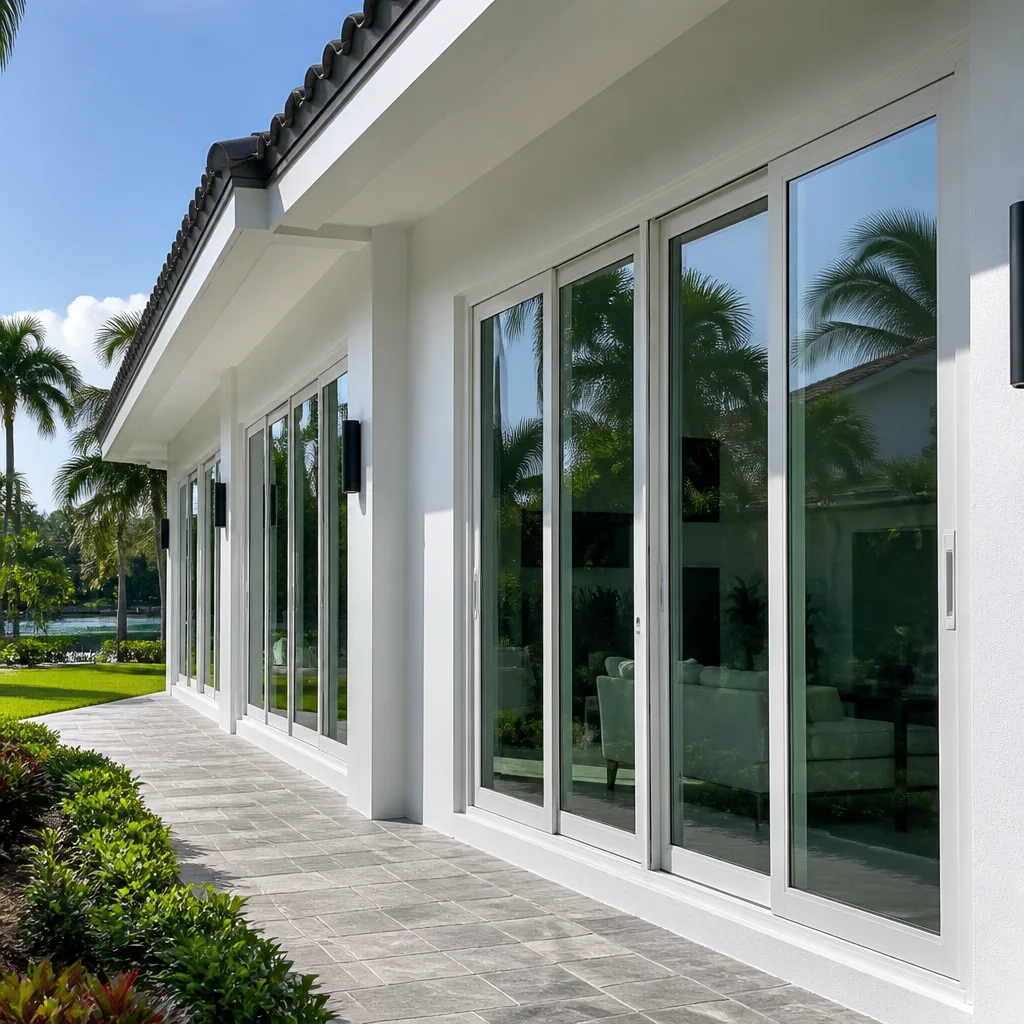
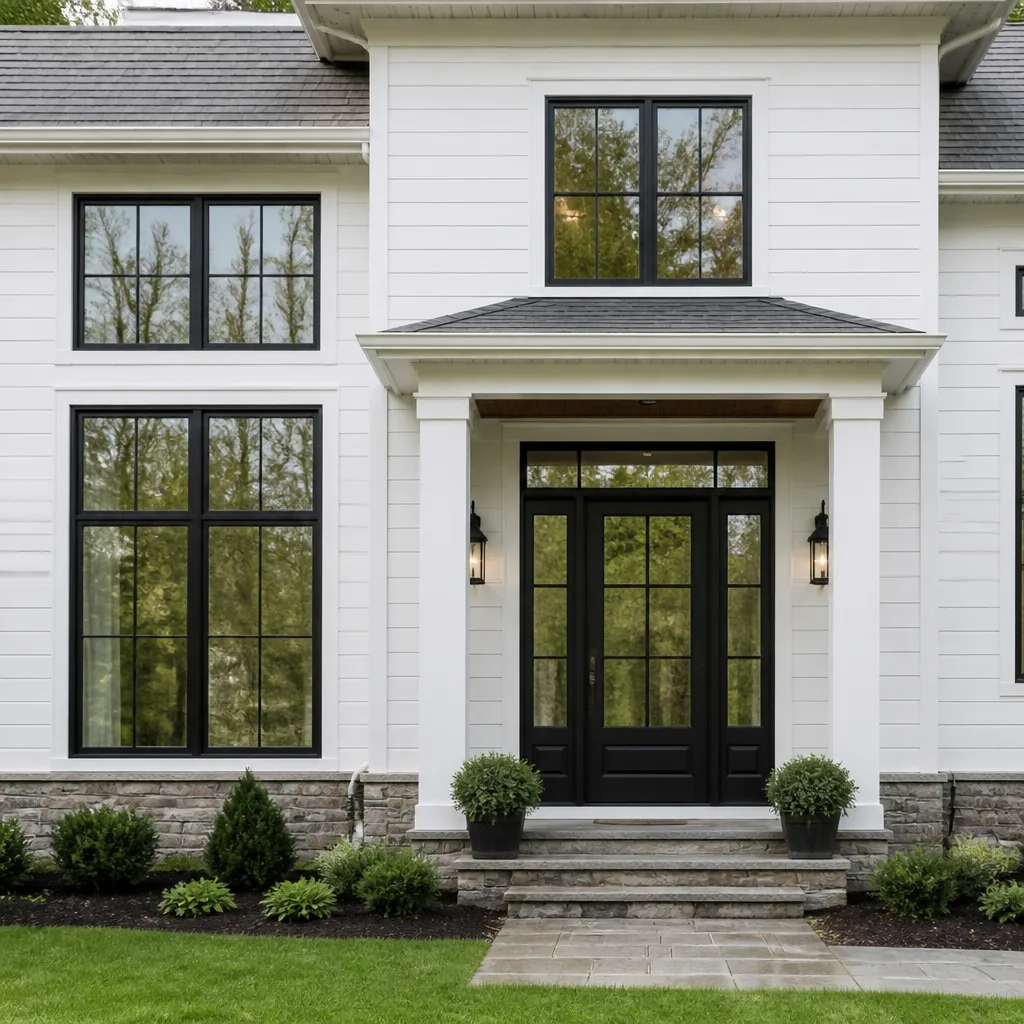
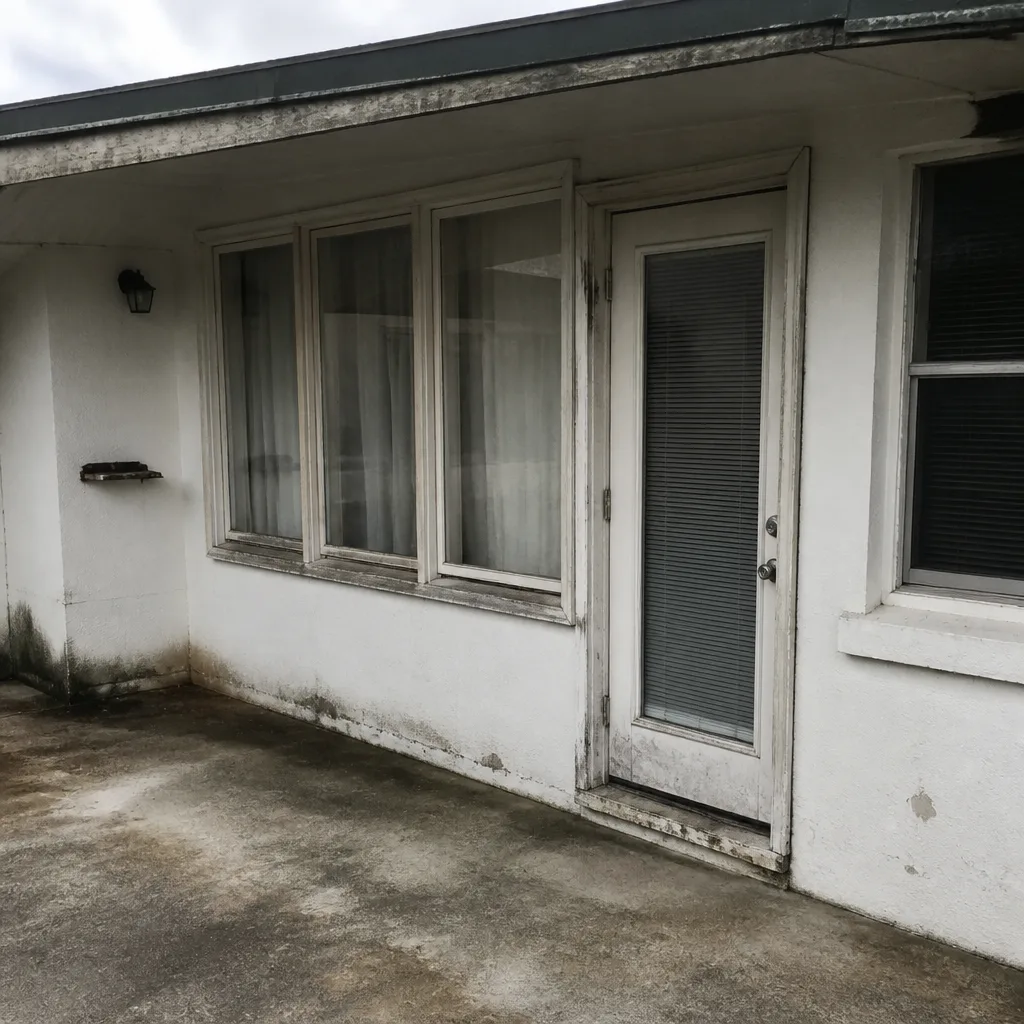 Before
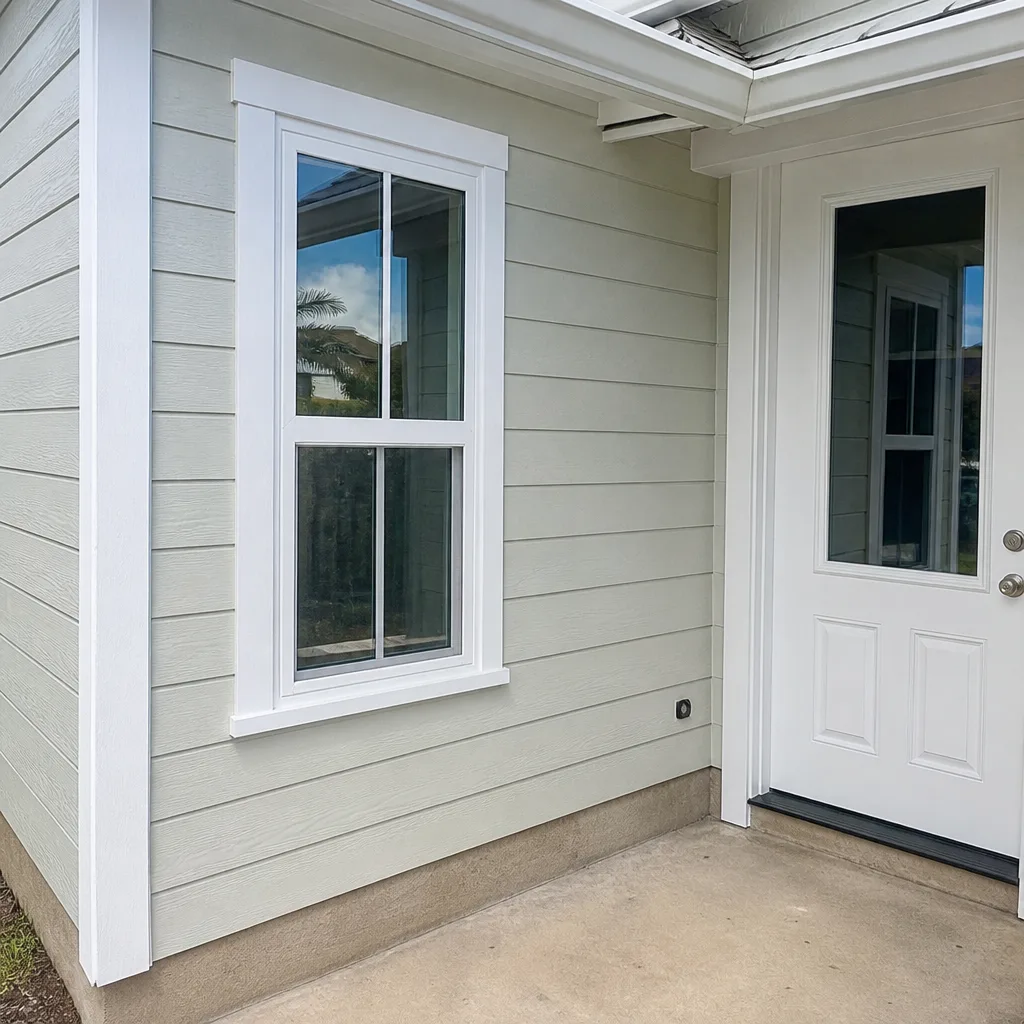 After
After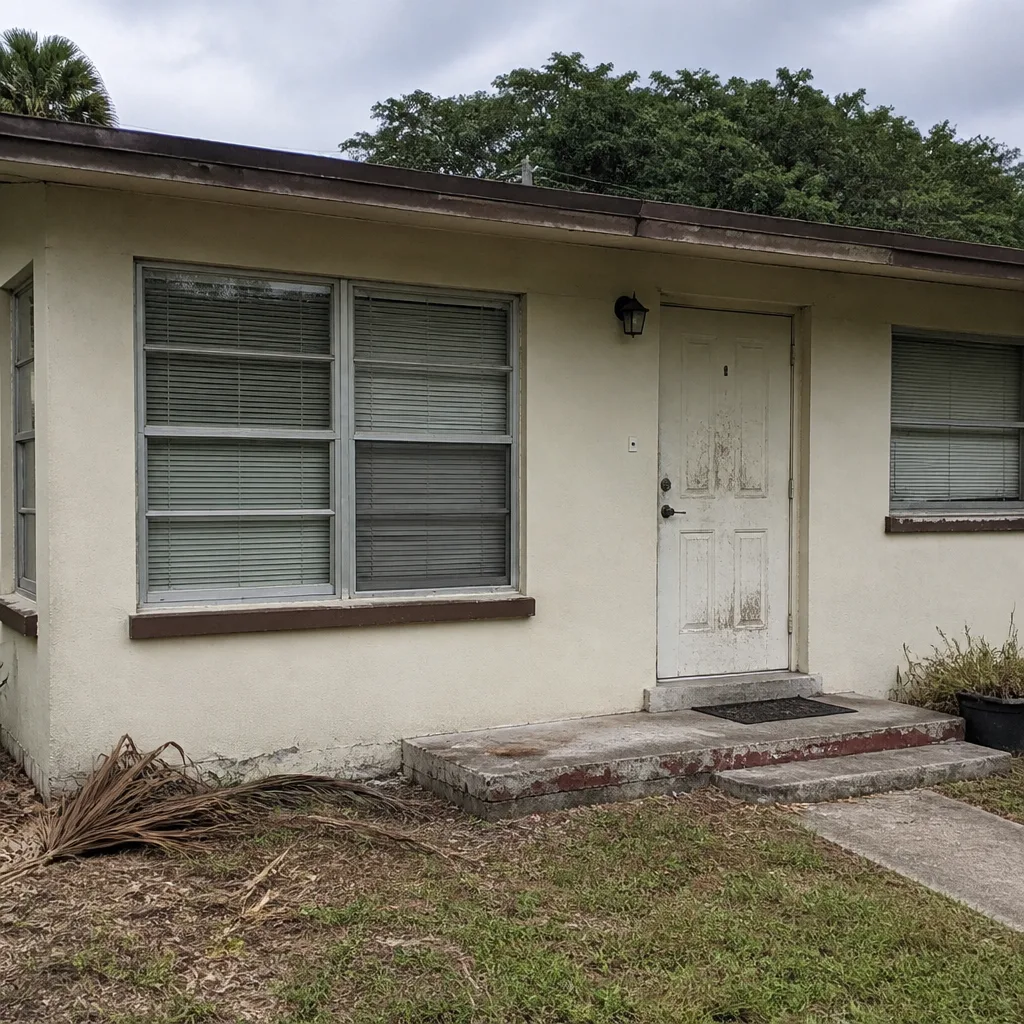 Before
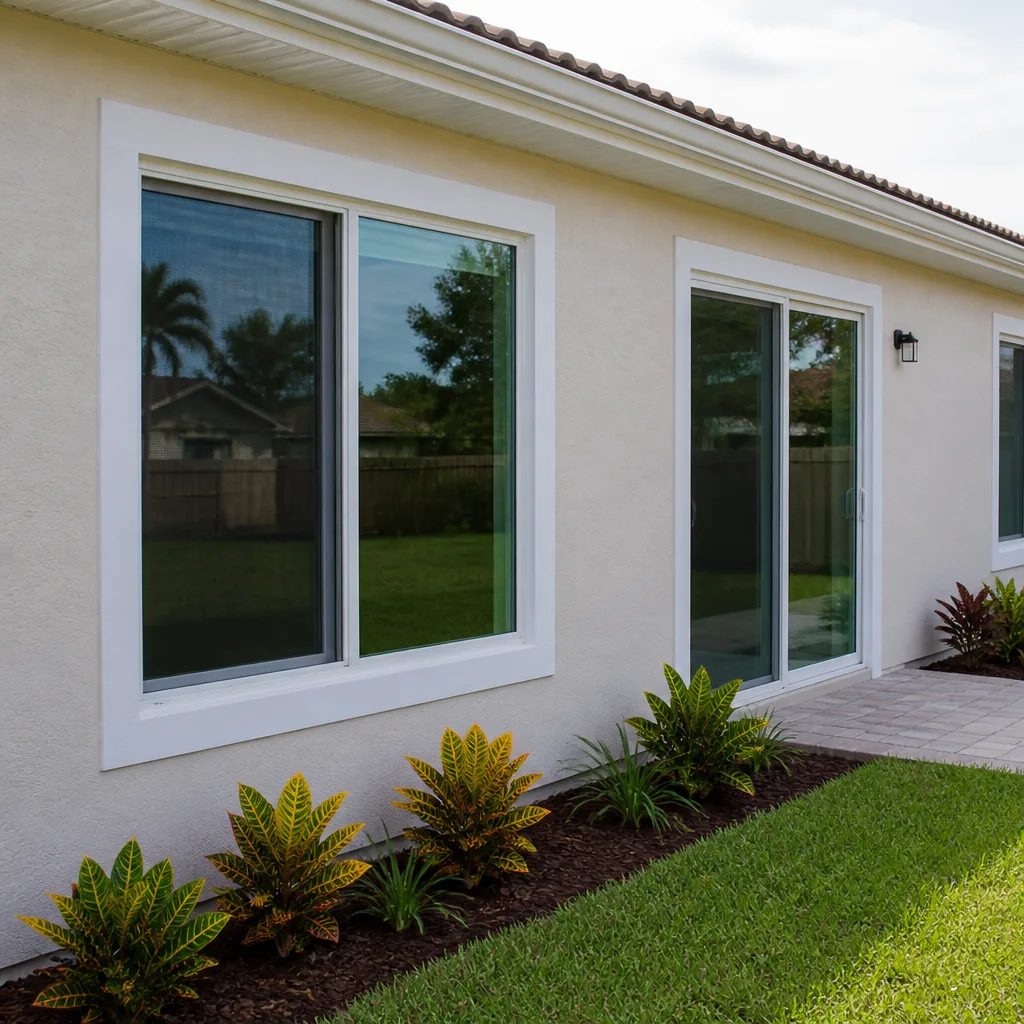 After
After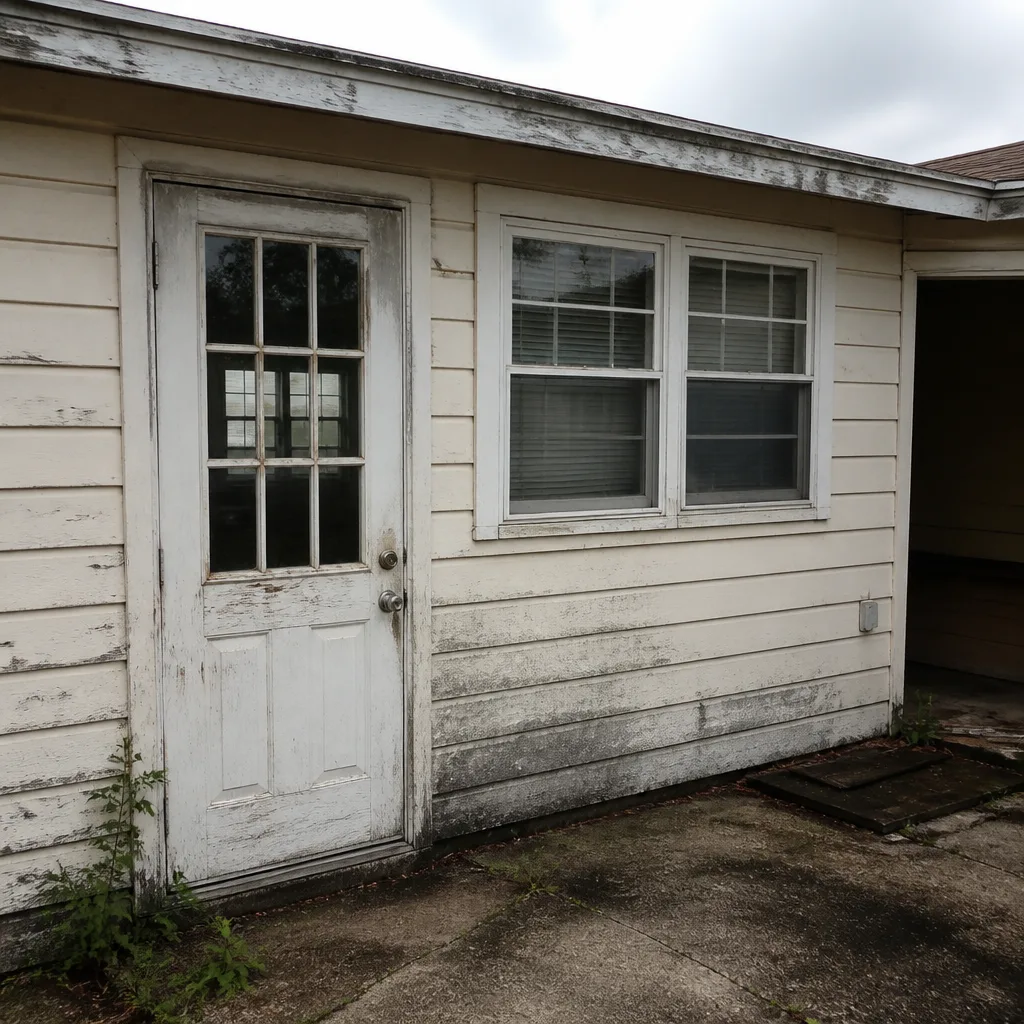 Before
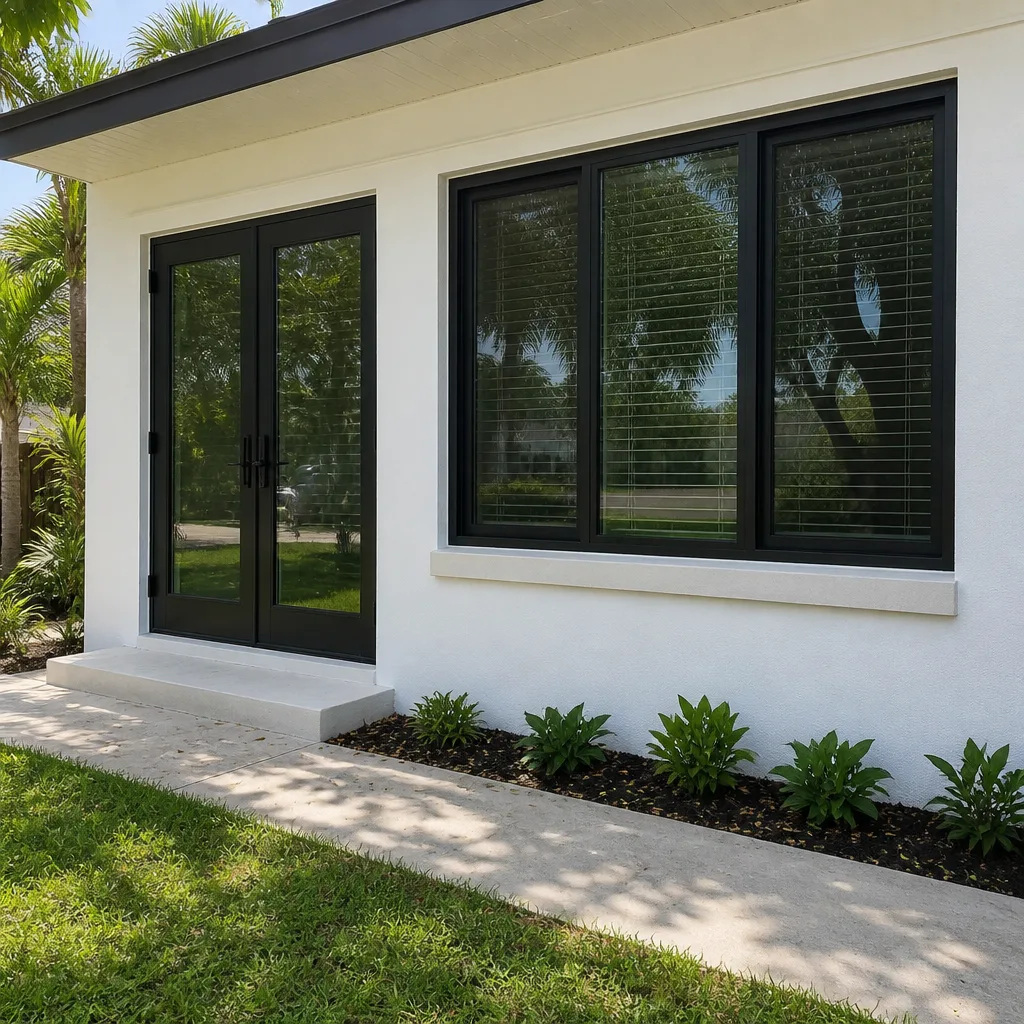 After
AfterWindows & Doors Warning Signs: A Brownsville Homeowner’s Reference Guide
Here’s a fact most Brownsville homeowners don’t learn until it costs them thousands: a window or door rarely fails without warning. It telegraphs trouble for months - sometimes years - through small, readable signs. This guide teaches you to read those signs early, before a warped frame becomes a structural repair or a foggy pane becomes a full replacement. We’ve been installing and repairing windows and doors across Brownsville since 2011, and we’ve seen every warning sign this climate can produce.
Quick Answer
The most common warning signs that your Brownsville windows or doors need attention are: sudden sticking or hard-to-lock doors (especially in the morning), condensation or fogging between double-pane glass, visible frame discoloration or staining, whistling or drafts around the edges, and bubbling or delamination at the edges of impact glass. Some of these are urgent; some can wait months. This guide explains how to tell the difference - and what each sign actually means for your home’s structure, energy bills, and long-term value.
Table of Contents
- Thermal Expansion vs. Structural Movement: The Timing Test
- Condensation Between Double-Pane Glass: Seal Failure, Decoded
- Three Frame Discoloration Patterns and What They Reveal
- The Whistling Window: Weatherstripping Problem or Frame Deflection?
- Impact Glass Delamination: The Warning Sign Most People Miss
- Drafts, Gaps, and the Energy Bill Connection
- Hardware Wear, Misalignment, and the Door That Won’t Latch
- Common Mistakes to Avoid
- When to Call a Professional
- Frequently Asked Questions
- The Bottom Line
Thermal Expansion vs. Structural Movement: The Timing Test
A door that’s hard to open or deadbolt isn’t always a lock problem. In Brownsville, where summer heat regularly pushes past 95°F and winter nights can dip into the 40s, doors and frames expand and contract constantly. The question is whether what you’re feeling is normal thermal response - or something more serious happening to your foundation.
Here’s the distinction that saves homeowners from panic or, worse, from ignoring a real problem. Thermal expansion is time-of-day dependent. A door that’s stiff at 3 p.m. in August but swings fine at 8 a.m. is simply hot. The frame swells, the door slab swells, and the two press against each other. When everything cools overnight, the gap returns. That’s normal, and it happens to every home in Brownsville’s climate.
Structural movement is temperature-independent and consistent. A door that’s hard to latch every single morning, regardless of whether it’s 50 degrees or 90 degrees, is telling you something else. In Brownsville, where soils contain significant expansive clay, moisture changes in the ground cause the slab to lift and settle unevenly. That movement racks the door frame. The frame is no longer square. The door binds against the jamb at the top corner or along the latch side, and it does so predictably, all day, every day.
Here’s the timing test, step by step:
- Note when the problem occurs. Keep a simple mental log for one week. Is the door stiff only in the afternoon? Only when the sun directly hits that side of the house? That points to thermal expansion.
- Test at the coolest part of the day. Try the door at 6 a.m. Brownsville nights are the great equalizer. If the door opens and locks smoothly in the cool morning, you’re dealing with normal expansion, not foundation trouble.
- Check the reveal gap. Stand inside and look at the gap between the door slab and the frame. The gap should be even - roughly the width of a nickel - all the way around. If it’s tight at the top latch corner and wide at the bottom on the hinge side, the frame is out of square. Consistent misalignment means the opening itself has moved.
- Look for secondary signs. Hairline drywall cracks radiating from door corners, baseboards pulling away from the floor, or cracks in tile laid near exterior doorways. These pair with structural movement far more often than with thermal expansion.
What should you do with this information? If the door fails the timing test and you suspect frame racking, don’t just plane down the door. That’s treating the symptom, not the cause. A door that’s been shaved to fit a racked frame will swing freely for a few months, then start binding again as movement continues. The right move is a professional assessment of the door opening and the framing behind it. In Brownsville, where clay soil movement is a year-round reality, we regularly see door frames that need re-shimming, re-squaring, or, in more advanced cases, new framing lumber behind the jamb. The door itself is often salvageable.
Window installation in Brownsville involves the same principle: we check the squareness of every rough opening before a single unit goes in. A well-installed window in a square opening will outperform a premium window in a racked opening every time.
Condensation Between Double-Pane Glass: Seal Failure, Decoded
Fogging between the two panes of a double-pane window is the sign every homeowner recognizes - but most misunderstand what it means for timing and cost. The fog itself is the visible symptom of a failed seal. The seal around the perimeter of an insulated glass unit (IGU) has cracked or separated, allowing moisture-laden air to enter the space between the panes. That air condenses when temperatures shift. The condensation then evaporates and re-condenses, leaving behind mineral residue that becomes the permanent haze you eventually see.
Here’s what matters for Brownsville homeowners: seal failure is progressive and slow. You don’t need to replace the window the day you notice the first fog. In most cases, that first condensation episode means the seal has been compromised for months - possibly a year or more. The IGU had already lost its argon or krypton gas fill before you saw anything. What you’re seeing now is moisture building to the point of visibility.
How much time do you have? In our experience across Brownsville, a window showing intermittent condensation (fog that appears in the morning and clears by midday) typically has 6 to 18 months of acceptable service left. You’ll notice it most on humid mornings - which in Brownsville means most mornings from March through November. The window still insulates somewhat. It still keeps out wind and rain. But its energy performance is declining, and the fog will become more persistent.
When condensation is permanent - visible all day, every day, regardless of temperature or humidity - the unit has reached the end of its functional life. The mineral deposits left behind by repeated condensation cycles are now permanently etched on the inner glass surfaces. No cleaning, de-fogging, or DIY fix restores clarity at this stage. The IGU needs replacement.
One more Brownsville-specific note: if you have impact windows in Brownsville, that fog between the panes is happening inside a laminated glass assembly. The seal failure is the same concept, but the fix involves installing a completely new impact-rated IGU - not just swapping in a standard double-pane unit. Impact glass has a specific interlayer and must meet wind-borne debris standards. A replacement IGU for an impact window costs more than a standard IGU, but it’s dramatically cheaper than a full window replacement. The frame, the sash, and the installation remain untouched; only the glass unit changes.
Three Frame Discoloration Patterns and What They Reveal
Discoloration on window or door frames is never cosmetic. It’s a map of where water is entering, how long it’s been entering, and what materials are degrading behind the surface. In Brownsville’s climate - heavy seasonal rain, high humidity, and salt air that moves inland from the coast - frame discoloration demands attention sooner than it might in drier regions. Here are the three patterns we see most often and what each one tells you.
White efflorescence. This looks like a chalky, powdery white film that forms on masonry, stucco, or concrete around window and door openings. It’s not mold. It’s mineral salt deposits left behind when water migrates through masonry and evaporates at the surface. Efflorescence tells you water is moving through the wall material, not just running down its face. Common causes in Brownsville include missing or failed weep screeds at the base of stucco walls, cracked caulking around window perimeters, or improper flashing at the head of the opening. The water is present behind the surface. Efflorescence alone doesn’t mean structural failure, but it’s a reliable early indicator that water is finding a path it shouldn’t.
Brown rust staining. Rust-colored streaks running down from window corners, door thresholds, or hardware attachments mean water is contacting steel or iron components - lintels above openings, anchor bolts, or the fasteners holding the frame to the rough opening. In coastal-adjacent Brownsville, salt air accelerates this corrosion significantly. Rust staining means the metal has been wet repeatedly and is actively oxidizing. If left unchecked, corroded lintels can expand as they rust, cracking the masonry above the window and eventually requiring lintel replacement. Rust stains near the bottom corners of casement window hinges are an early warning that the hinge mechanism is corroding inside the frame.
Dark mold lines. Black or dark green streaking that follows caulk lines, frame seams, or the joint between the frame and the wall is mold growth feeding on organic material in those joints. It means the area is staying wet long enough to support microbial growth - which in Brownsville’s humidity means water is being trapped, not drying out. Mold lines at the interior of a window or door frame are more urgent than exterior staining, because they indicate moisture has already penetrated to the interior wall cavity. The source might be failed exterior caulking, improperly lapped building wrap, or water wicking up from a sill pan that was never installed.
What to do with any of these three findings: photograph the pattern, note when it appears and whether it changes after rain, and get the opening inspected. Surface cleaning alone won’t fix any of them. The entry point has to be found and sealed. In many Brownsville homes built before the 2002 Florida Building Code updates, we find that original window installations lacked proper sill pan flashing or head flashing - and those openings are exactly where discoloration patterns show up first.
The Whistling Window: Weatherstripping Problem or Frame Deflection?
Brownsville sits in the path of southeast trade winds that blow steadily through most of the year, with seasonal fronts adding stronger gusts. A window that whistles in the wind is common enough that some homeowners treat it as normal background noise. It shouldn’t be. That whistle is air moving through a gap, and the character of the whistle tells you what kind of gap you’re dealing with.
Intermittent whistling - a sound that comes and goes with gusts, changes pitch, or disappears when you press on the sash - is almost always a weatherstripping problem. The seal material has compressed, worn, or pulled away from the frame. On a windy afternoon, air finds the gap. When the wind dies down, the sound stops. The fix is typically straightforward: replace the weatherstripping on that sash or frame. On double-hung windows, the interlock where upper and lower sashes meet is a frequent culprit. On casement windows, a worn gasket along the hinge side or bottom can produce the same intermittent whistle. This is a low-cost, same-visit repair in most cases.
Constant whistling - a sound that persists even in light wind, doesn’t change when you push on the sash, or is accompanied by visible daylight gaps at the frame edges - indicates the window frame or sash has deflected. Vinyl and aluminum frames flex under sustained wind load and heat. Over years, that flexing can become permanent deformation. The sash no longer seats squarely in the frame, and the gap never closes. In Brownsville’s sustained trade winds, a deflected frame on the prevailing wind side of the house will whistle essentially nonstop.
How to tell the difference before calling anyone:
- Press firmly on each corner of the sash. If the whistle stops or changes, the gap is closable. You have a weatherstripping or hardware adjustment problem.
- Run your hand (or a thin piece of paper) around the perimeter. Where do you feel air movement or see the paper flutter? At one clean seam, it’s likely a gasket. Along a long, uneven stretch, it’s a frame issue.
- Inspect the frame exterior with a straightedge. Place a level or straightedge along the vertical frame rails. Visible bowing or a gap between the straightedge and the frame indicates permanent deflection.
- Check the window’s operation. Does the sash bind when you open or close it, even slightly? Binding combined with whistling points to frame geometry, not just worn seals.
If it’s weatherstripping, the repair is small and immediate. If the frame has deflected, the sash may need re-glazing, the frame may need reinforcement, or - in older units - replacement may be the straightest path. A window replacement in Brownsville with a properly sized, correctly installed unit is often more cost-effective than repeated attempts to make a deflected frame seal.
Impact Glass Delamination: The Warning Sign Most People Miss
If you have impact-rated windows or doors - and in Brownsville, where wind-borne debris codes apply, many homes do - there’s a failure mode that shows up before the fogging stage most people recognize. It’s called delamination, and catching it early can save you the cost of a full IGU replacement.
Impact glass is a sandwich: two panes of glass bonded to a clear polyvinyl butyral (PVB) or ionoplast interlayer. That interlayer is what holds the glass together when a hurricane hurls a branch at your window. Delamination happens when the bond between the glass and the interlayer begins to fail at the edges. The interlayer starts to pull away, and air or moisture creeps into the microscopic gap.
The earliest visible sign of delamination is bubbling or clouding at the very edges of the glass - typically along the bottom or top edge where the laminated glass meets the frame. You might see small, silvery bubbles, a hazy band along the edge, or wavy distortion that looks like the glass is separating into layers. This is not the same as the full-pane fog that comes from a failed IGU seal. Delamination is edge-specific at first.
Here’s why this matters for Brownsville homeowners with impact glass: delamination is progressive and, left long enough, compromises the impact rating of the window. The interlayer is the part of the assembly that prevents the window from shattering into dangerous projectiles. If the bond is failing, the window’s wind-borne debris protection is compromised. That’s a life-safety issue, not a cosmetic one. Most people don’t notice delamination because they’re not looking at the edges of their glass. They finally see a problem when the inner fog spreads across the pane - which is the late stage of the same process. By then, the IGU needs full replacement. Caught at the edge-bubble stage, the window may still be serviceable for a limited time, and you can plan the replacement rather than react to it.
If you have impact windows from brands like PGT or CGI, the manufacturer’s warranty may cover IGU replacement for seal failure, but delamination is sometimes treated differently. Documentation matters. Photos with dates, the original installation invoice, and the manufacturer’s serial numbers (usually etched in a corner of the glass) all help. If you don’t know whether your windows are impact-rated, look for a small label or etching in the glass corner showing the impact standard (ASTM E1886 or Miami-Dade NOA). No marking usually means standard glass - though some older installations have lost their labels.
For Brownsville homeowners near the coast, where the difference between impact windows and standard glass can mean the difference between a dry living room and a wind-driven rain event inside your house, this edge-inspection habit is worth building. Walk your windows twice a year. Look at the edges. Note anything that wasn’t there last season.
Drafts, Gaps, and the Energy Bill Connection
A window or door that leaks air isn’t just a comfort issue - it’s a line item on your FP&L bill every single month. In Brownsville, where air conditioning runs nine to ten months a year, even small air leaks around windows and doors compound into measurable energy waste. The Department of Energy estimates that air leakage around windows, doors, and other openings accounts for 25 to 30 percent of residential heating and cooling energy use. In South Florida, that number trends toward the higher end because the temperature differential between inside and outside is maintained for so many hours each day.
What does that translate to in practical terms? Here’s how to find the leaks before they find your budget:
- The hand test. On a breezy day, run a damp hand around the perimeter of every window and door, inside the house. The moisture on your skin makes even slight air movement obvious. Do this twice a year - once during Brownsville’s winter dry season and once during the summer wet season.
- The incense test. Light an incense stick and hold it near window and door edges. The smoke will bend and waver where air moves. This works better than the hand test for very slight leaks.
- The paper test for doors. Close a door on a piece of paper. If you can pull the paper out easily with the door fully closed and latched, the seal is too loose. Test multiple points around the perimeter.
- The visual gap check. Stand outside your front door on a sunny day and look through the gap between the door and the jamb. If you see daylight, conditioned air sees the path too.
The good news: draft sealing and weatherstripping replacement are among the most cost-effective improvements you can make to your Brownsville home. The return on investment is immediate, and the work is straightforward when the frames and sashes are square. The caveat: if the draft is caused by frame deflection, failed glazing, or an opening that was never properly sealed at installation, weatherstripping alone won’t hold. You’ll chase the leak, replace the material, and the draft will return within months. That’s the point where a professional evaluation pays for itself. The fix is either a proper re-installation with new flashing and sealing, or a window replacement in Brownsville that eliminates the leak at the source.
Hardware Wear, Misalignment, and the Door That Won’t Latch
Door hardware is designed to last a long time, but Brownsville’s heat, humidity, and salt air all accelerate wear on the moving parts. A deadbolt that grinds, a handle that’s loose, a latch that misses the strike plate - these are warnings worth heeding before the door stops securing your home entirely.
Start with the simplest diagnosis: is the problem the hardware or the door? If the deadbolt extends and retracts smoothly when the door is open, the hardware mechanism is fine and the problem is alignment. If the deadbolt grinds, sticks, or requires force even with the door fully open, the lock itself is worn or corroded. In Brownsville, coastal salt air penetrates lock cylinders and hinge pins, accelerating internal corrosion. A lock that works fine in January might bind in July as corrosion accumulates and heat expands the internal components.
Alignment problems show up in three common patterns:
- Latch misses the strike plate low. The door slab is sagging. Usually a hinge problem: worn hinge pins, loose screws, or hinge leaves pulling out of the jamb. The fix is often as simple as replacing screws with longer ones that bite into the framing behind the jamb - but only if the hinge leaf is still intact.
- Latch hits the strike plate high or to the side. The frame has moved, or the door has warped. If seasonal changes move the latch position back and forth, it may be thermal. If it’s consistent year-round, frame racking is more likely - see the timing test section above.
- Deadbolt extends but won’t fully seat. The door sags slightly when you release the handle, dropping the bolt out of alignment with the strike plate’s opening. You can lift the door slightly and the bolt seats. That’s hinge wear, and it’s very fixable.
The hinge fix we perform most often in Brownsville: removing the center hinge screw from the top hinge and replacing it with a 3-inch screw that drives through the jamb and into the structural framing stud. That single change pulls the door back toward plumb and often restores latch and deadbolt alignment in under 15 minutes. No new hardware needed. When the door slab itself is warped or the frame is genuinely out of square, the fix is a larger job: re-shimming, re-hanging, or in some cases full door replacement. Therma-Tru door systems, which we install regularly across Brownsville, include adjustable sill caps and compression weatherstripping that accommodate minor movement - a meaningful advantage in our shifting clay soils.
The main thing: don’t force a misaligned door. Forcing the deadbolt accelerates wear on both the lock and the strike plate. Eventually the door won’t secure at all, and that’s a security event you don’t want to discover at 10 p.m.
Common Mistakes to Avoid
- Planing down a sticky door before diagnosing why it’s sticky. Shaving material off the slab treats a symptom. If the frame is racked or the foundation is moving, the door will bind again - and now it’s also undersized for the opening. Diagnose first, cut second.
- Ignoring intermittent condensation between glass panes. “It goes away by lunch” doesn’t mean the problem is gone. It means the seal is leaking slowly. The fix is cheaper while the fog is still intermittent. Wait until it’s permanent and you’re buying a full IGU under time pressure, often during the next storm-prep season.
- Caulking over cracks or gaps without cleaning the old caulk and re-priming the joint. New caulk over old, failing caulk buys you a few months at best. The right repair is removal, cleaning, proper priming, and fresh sealant. In Brownsville’s UV and salt environment, sealant quality and surface prep matter more than the bead thickness.
- Replacing hardware on a door that needs hinge work. A new deadbolt won’t fix a sagging door. If the latch was missing the strike plate before the new lock, it’ll miss it after. Fix the geometry first, then replace hardware if it’s genuinely worn.
- Assuming all foggy glass needs a full window replacement. In many cases, only the IGU needs swapping. The frame and sash are fine. A glass-only replacement costs significantly less than a full window and avoids disturbing the interior trim and exterior finish work.
- Waiting until hurricane season to inspect impact windows. If your impact glass shows edge delamination or seal failure, you want to know in February, not August. Lead times for IGU replacement stretch during storm-prep months, and you don’t want to be the Brownsville homeowner waiting on glass when a named storm is in the Gulf.
- Dismissing efflorescence as “just salt air.” Salt air deposits wash off. Efflorescence is mineral staining from water moving through masonry. It’s telling you about a leak, not about living near the coast. The distinction matters.
When to Call a Professional
Some warning signs are worth a careful look from a pro rather than a wait-and-see approach. Call us when you see: a door that binds consistently regardless of time of day or temperature; condensation that no longer clears between the panes; impact glass with edge bubbling or delamination; frame discoloration that reappears after cleaning; or drafts that weatherstripping hasn’t fixed. These are the signs that point toward structural, seal, or installation issues that only get more expensive with time. Winslow Windows & Doors offers free estimates in Brownsville - call (727) 860-0593 and we’ll come look at the opening, explain what we’re seeing, and give you a straight answer about what needs to happen and what can wait.
Frequently Asked Questions
Replacing a failed insulated glass unit in a standard double-pane window typically runs $250 to $600 per unit in the Brownsville market, depending on glass size, glass package, and whether the sash needs removal. Impact-rated IGU replacement runs higher, usually $400 to $900 per unit for brands like PGT or CGI, because the laminated glass and interlayer cost more. Call (727) 860-0593 for an exact quote - estimates are free.
Usually yes. If the problem is thermal expansion, adjusting the strike plate and checking the hinge screws often resolves it. If the frame is racked, re-shimming and re-squaring the jamb can restore smooth operation. The door slab itself only needs replacement if it’s warped or badly worn. Call (727) 860-0593 and we’ll diagnose it before recommending anything.
Existing homes are not required to upgrade to impact windows unless you’re replacing units during a renovation that triggers the current Florida Building Code. But many Brownsville homeowners choose impact windows voluntarily for storm protection and insurance discounts - and once installed, those windows need the same edge-inspection vigilance as any other glass. We install impact windows in Brownsville with full code compliance and proper flashing.
Standard aluminum or builder-grade vinyl windows in Brownsville typically last 15 to 25 years before seal failures and frame wear become chronic. High-quality vinyl or aluminum-clad units from manufacturers like PGT or CWS, properly installed and maintained, routinely last 30 years or more. The installation quality matters as much as the window itself - a premium window installed without proper flashing and sill pan work will fail early, usually at the seals and the frame corners.
Morning stiffness that disappears by midday is often moisture-related. Overnight humidity in Brownsville causes wood doors and jamb components to swell slightly. As the day warms and humidity drops, the swelling recedes. If the stiffness persists all day, every day, the cause is more likely frame racking or hinge wear. The timing test in this guide will help you tell the difference.
Yes. Permits are pulled and inspections are passed on every job that requires them - and in Brownsville, most window and exterior door replacements do. If a contractor tells you a permit isn’t needed for a full opening replacement, get a second opinion. Winslow Windows & Doors home is always available for questions about code, permitting, or the right approach for your specific opening.
The Bottom Line
Your Brownsville home’s windows and doors talk to you - through the timing of a sticky door, the location of frame staining, the character of a whistle, and the subtle bubbling at the edge of impact glass. Reading those signs early means smaller repairs, lower energy bills, and windows that protect your home when the next storm pushes through. The mistakes happen when homeowners wait for the obvious failure: the fogged pane, the door that won’t lock at all, the water running down the wall. By then, the inexpensive fix is off the table. Learn the signs. Check your openings twice a year. And when something doesn’t look right, make the call before it gets worse.
Written by Ed Winslow, Owner at Winslow Windows & Doors, serving Brownsville since 2011.
Six Reasons Homeowners Choose Winslow Windows & Doors
Impact systems engineered to design pressures up to +/-100, matched to your wind zone - your openings hold when the storm arrives.
Low-E insulated impact glass from our manufacturer lines commonly cuts monthly cooling bills 20-30%.
Laminated impact glass shuts out up to 40% of outside noise - traffic, neighbors, weather.
Monitoring services run $30-90 a month. Laminated impact glass resists forced entry around the clock, with no subscription.
Florida homeowners average around 25% savings on the windstorm portion of their policy after protecting every opening - some homes qualify for more.
A full impact package upgrades curb appeal, buyer confidence and appraised value in one project.