
Last updated August 27, 2026
Free in-home measure and quote - PGT, CGI and CWS impact lines compared on your actual openings, style by style
 Before
 After
After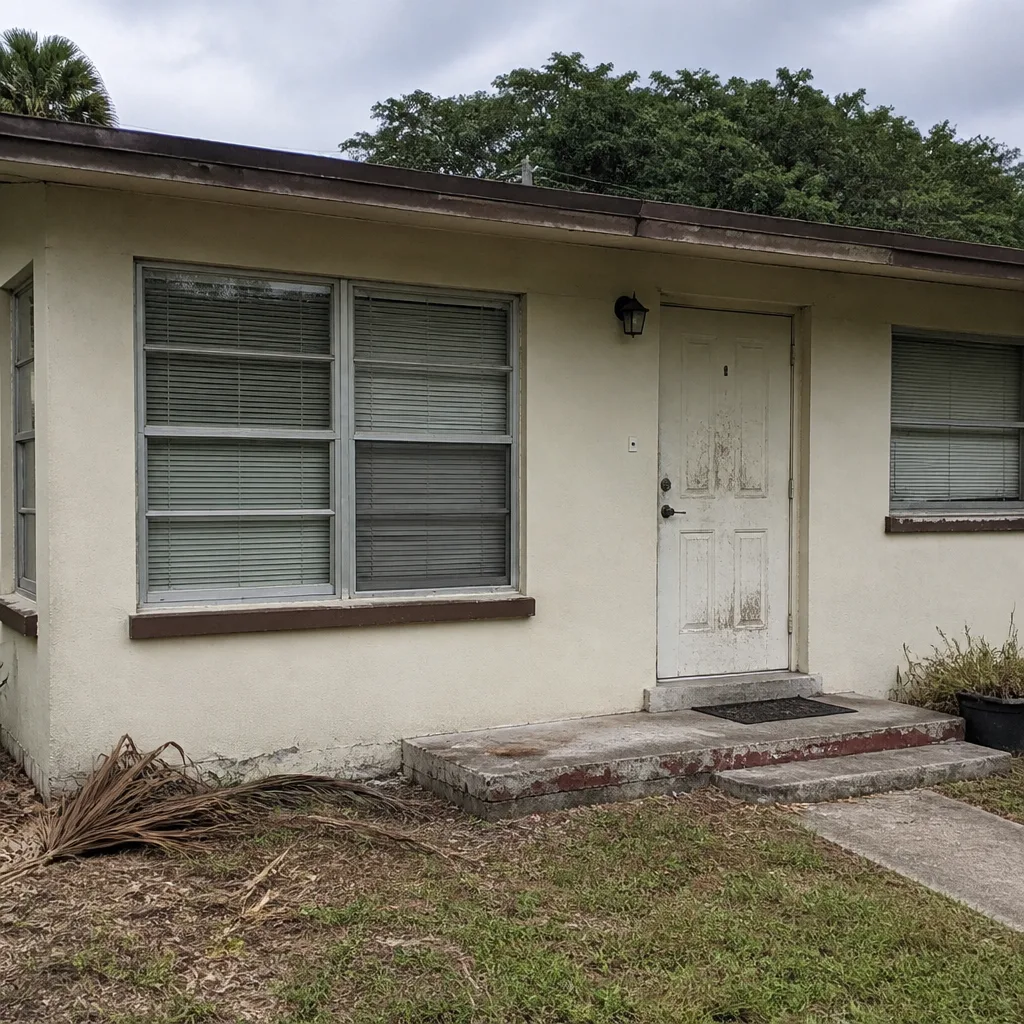 Before
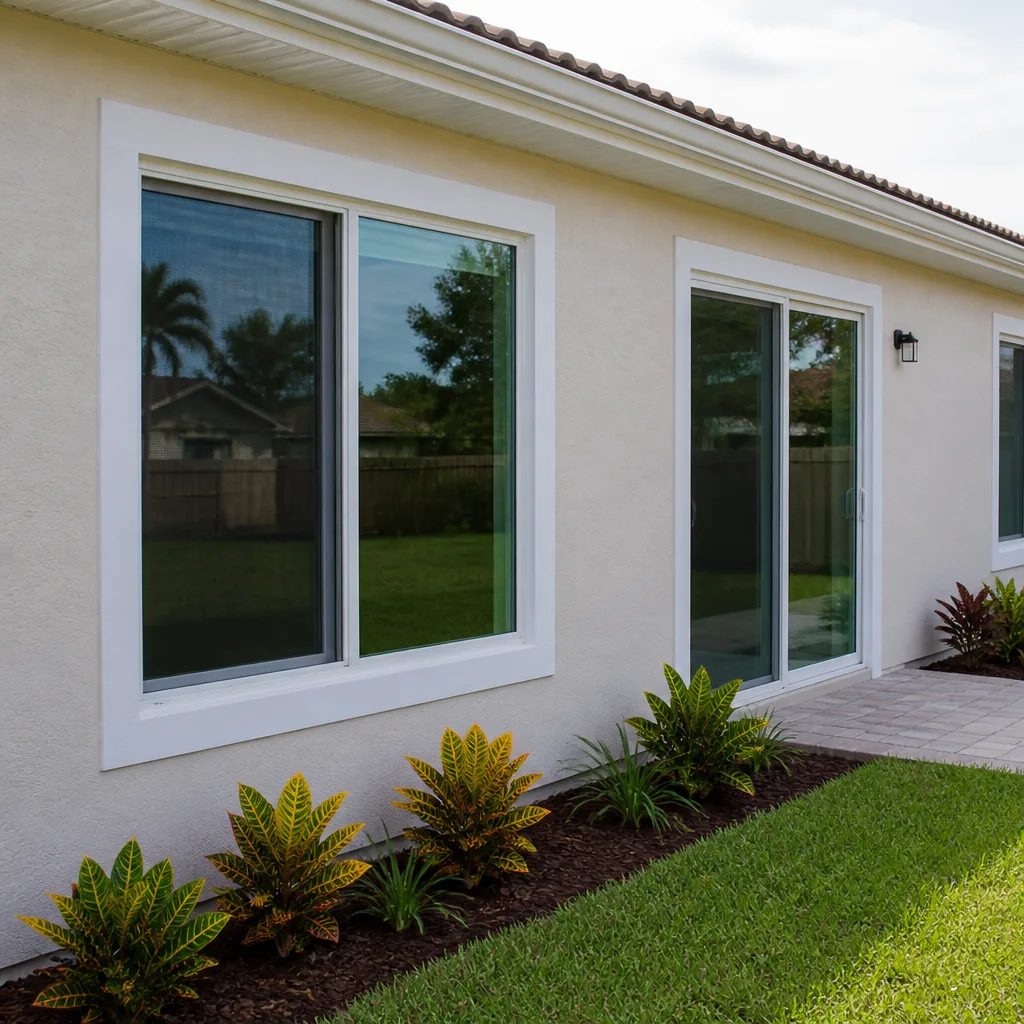 After
After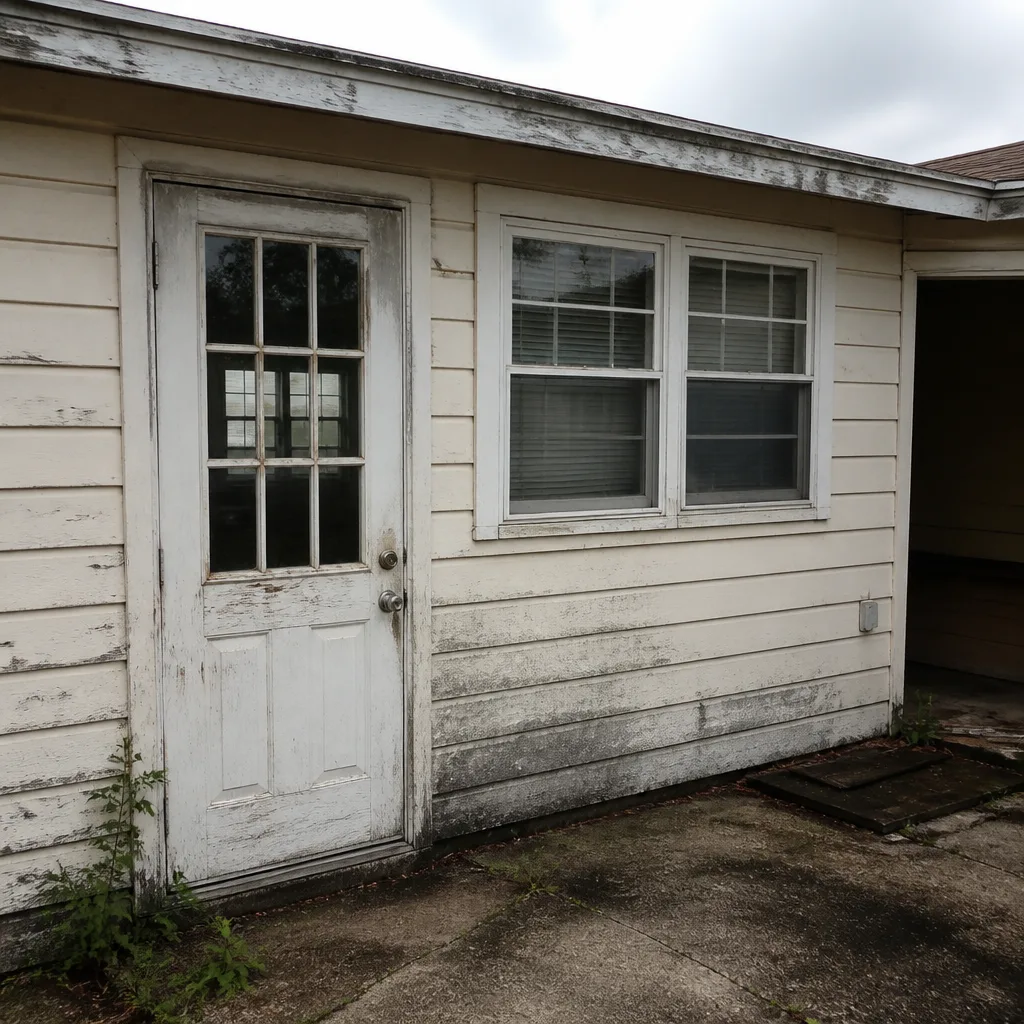 Before
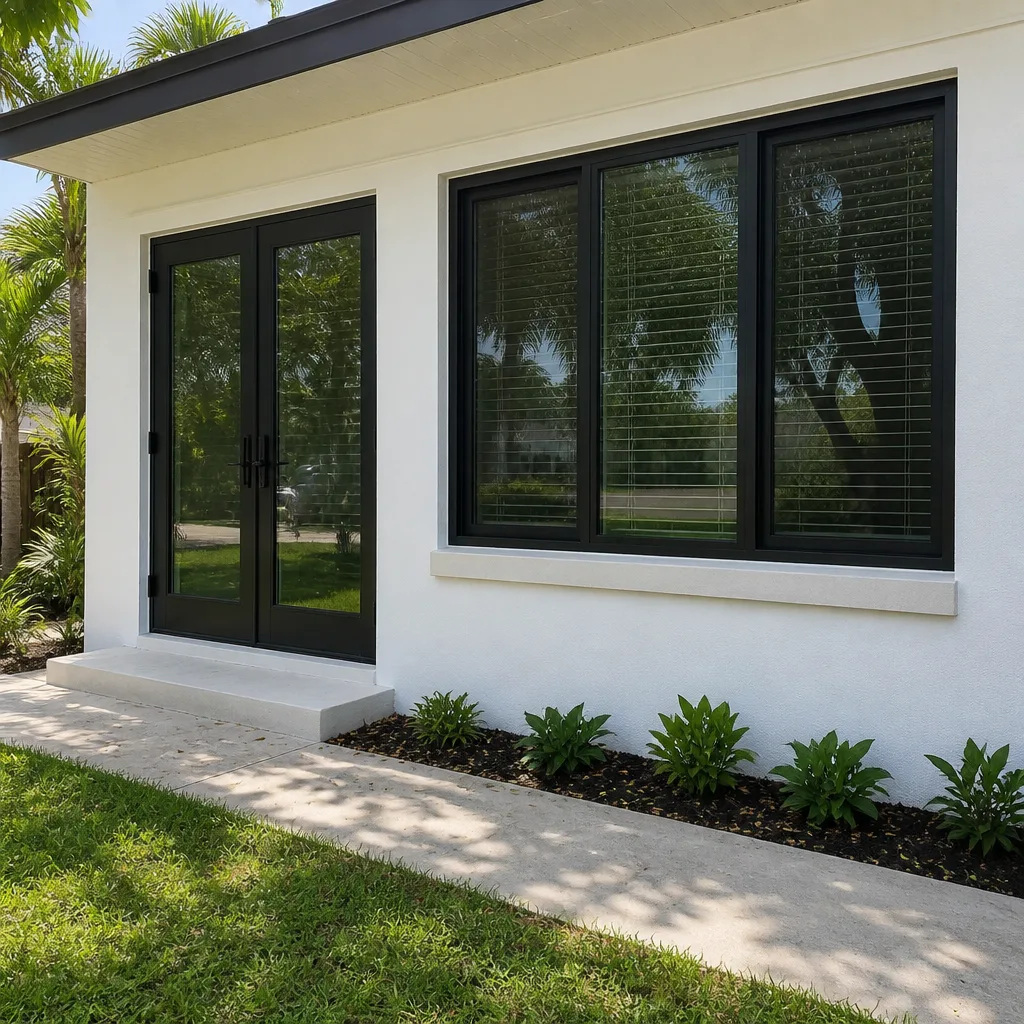 After
AfterDIY vs Professional Windows & Doors: The Brownsville Homeowner’s Decision Guide
You can legally install a standard single-pane window yourself in Texas. You can hang a hollow-core bedroom door with tools from Harbor Freight and a Saturday afternoon. But the moment you install an impact-rated window in Cameron County without a licensed contractor pulling the TDI windstorm certification, you have created an insurance gap that no amount of YouTube skill can fix. This guide draws the exact line in Brownsville between what a homeowner can legally own as a DIY project and what the law, the warranty, and your windstorm policy say you cannot. We’ll show you the permits, the policy language, the tool inventory, and the real math.
Quick Answer
In Brownsville, DIY makes sense for cosmetic door replacement, interior trim work, prep, and haul-away. It does not make sense for impact windows, exterior door assemblies, or any opening that requires a TDI windstorm inspection, because unpermitted work voids your insurance protection on the exact storm event the product was built to survive. If the job touches the building envelope and must be windstorm-certified, hire a licensed contractor. If it doesn’t, you can own it.
Table of Contents
- The Legal Exposure Most DIY Guides Skip
- What You Can Legally Own in Brownsville
- What You Cannot Legally Do, Regardless of Skill
- The Insurance Policy Language That Changes Everything
- Interior Door DIY: The Honest Skill and Tool Assessment
- The Break-Even Math: When a Pro Pays for Itself
- Permits and Inspections in Cameron County
- Material Quality: Why the Big-Box Door Is Not the Same Door
The Legal Exposure Most DIY Guides Skip
Most window and door DIY guides are written by national content mills. They treat a window swap in Boise the same as a window swap in Brownsville. That’s a dangerous omission, because Brownsville sits inside the Texas catastrophic windstorm zone, and the rules here are not suggestions. They are written into your insurance policy as conditions of coverage.
Here’s the mechanics. The Texas Department of Insurance (TDI) maintains a windstorm inspection program for coastal counties, including Cameron County. When an impact-rated window or exterior door is installed on a structure inside the designated catastrophe area, the installation must be performed by a contractor registered with TDI, and the work must pass a TDI windstorm inspection. The certificate issued after that inspection is not paperwork for the file folder. It is the document your windstorm insurer uses to confirm the opening meets policy requirements.
Skip the certification, and you have not simply missed a form. You have given your insurer a legal basis to deny a claim on the entire structure, not just the window. That’s the part most DIY content never says. The risk is not a failed leak test. The risk is three feet of water in the living room, a roof lifted at the rake, and a claims adjuster who checks one box and closes the file.
In our work across Brownsville, we have walked into homes where a previous owner installed impact windows himself, did a clean job, and left the homeowner with an uninsurable opening. The glass is fine. The frame is square. The insurance company does not care. No TDI certificate, no coverage. That is the conversation every Brownsville homeowner needs to have before touching an exterior opening.
What You Can Legally Own in Brownsville
This section is the honest answer. There is real work you can do yourself that reduces overall job cost without touching the building envelope in a way that triggers TDI scrutiny or voids a manufacturer warranty.
Here’s what a competent Brownsville homeowner can own:
- Interior trim and casing removal. Removing old interior casing around a window or door before the install crew arrives saves labor hours. Use a flat bar and a utility knife. Score the paint line first so you don’t tear drywall paper.
- Interior finishing and painting. After a professional window or exterior door install, the interior trim, caulk line, and paint are often excluded or priced as add-on. You can reinstall casing, caulk, spackle nail holes, and paint. This is low-risk finish work.
- Haul-away and debris removal. A contractor will charge for disposal. If you have a truck and a trip to the Brownsville landfill on your schedule, you can save that line item. Confirm with the contractor before the job starts that you will handle debris.
- Replacing interior hollow-core doors. A bedroom or closet door swap is not structural. No permit required for a like-for-like interior door. This is a legitimate DIY project.
- Weatherstripping and threshold adjustments. On an existing exterior door that is not being removed from its frame, you can replace weatherstripping, adjust a threshold, and lubricate hinges without exposure.
- Caulking and sealing interior gaps. Around window interiors, baseboards, and door casings. This is maintenance, not installation.
The takeaway: you can own the work that touches the inside face of the wall. You cannot own the work that forms the weather barrier on the outside face. That distinction keeps more money in a homeowner’s pocket than most people realize, because interior finish work can be 15 to 20 percent of a window replacement invoice in the Brownsville market.
What You Cannot Legally Do, Regardless of Skill
Some readers will be exceptional carpenters. Some have framed houses. The law does not care. In Cameron County, the restriction is not about competence. It is about legal authority and manufacturer certification requirements.
Here is the list of work you cannot legally perform as a homeowner in Brownsville:
- Installation of impact-rated windows on any structure inside the TDI catastrophe area. TDI requires the installing contractor to be registered with the agency, and the completed installation must pass a windstorm inspection. A homeowner installation cannot receive this certificate, full stop. The work would be legally non-compliant even if a licensed engineer inspected the final product, because the inspection program requires the installer’s registration at the time of the work. Our Impact Windows in Brownsville guide covers the product options that do qualify.
- Replacement of an exterior door assembly with an impact-rated or windstorm-rated product. The same TDI certification applies. An exterior door that is part of the building envelope in the windstorm zone must be installed by a registered contractor and inspected.
- Any structural modification to a window or door opening. Widening a rough opening, moving a header, or changing the opening size requires a building permit from the City of Brownsville and, in many cases, an engineered drawing. This is structural work, not finish carpentry.
- Installation of new construction windows on a home that currently has replacement windows. New construction windows have an integral nailing flange and require exterior flashing, weather-resistant barrier integration, and often stucco or siding repair. That is envelope work, and in Brownsville it is not a homeowner project.
- Any window or door work in a multi-family building. Townhomes, duplexes, and condominiums have additional requirements that typically exclude homeowner installation altogether.
The line is clear. If the product is impact-rated, the opening is exterior, and the structure is in the windstorm zone, a licensed contractor must do the work. No amount of building science knowledge changes that legal reality.
The Insurance Policy Language That Changes Everything
Most Brownsville homeowners have never read Section IV of their TDI windstorm policy. That’s understandable. The document is dense. But the exclusion language is the entire ballgame, and it’s written in plainer English than most people expect.
In the standard TDI windstorm policy form, Section IV contains exclusions for losses caused by “the failure of the insured property to be constructed, reconstructed, or repaired in accordance with any applicable building code, or the failure to obtain a required building permit, or the failure to obtain a windstorm certificate of compliance when required.”
That sentence is the gap. Read it again. The exclusion does not say the loss is excluded only if the defective work caused the damage. It says the failure to obtain the required windstorm certificate is itself a basis for exclusion. An adjuster can point to the unpermitted window, and the entire structure becomes exposed.
Here’s the scenario we hear from homeowners after the fact:
- The homeowner installed three impact windows in 2021 without a contractor. Paid cash for the glass. The windows look great.
- In 2025, a serious storm hits Brownsville. Water intrusion occurs on the opposite side of the house, unrelated to the DIY windows.
- The adjuster reviews the file, sees the unpermitted window work, and the claim is denied on Section IV grounds.
- The homeowner’s position: the window didn’t cause the leak. The insurer’s position: the policy condition was violated, and coverage is voidable.
That is not a hypothetical. That is the exact legal structure of the exclusion. The window didn’t have to fail. The homeowner just had to fail to get the certificate.
For exterior doors, the same logic applies. An unpermitted impact door changes the windstorm certificate status of the entire building envelope. When a homeowner replaces an impact door DIY, the prior certificate for the structure is no longer accurate, and the new door is not certified. The gap is structural to the policy, not physical to the door.
The safe move for any Brownsville homeowner is to treat the TDI certificate as non-negotiable on the building envelope. It is not a tax. It is the document that keeps the insurance policy enforceable. Our Window Replacement in Brownsville guide explains how the certified process works on a normal timeline.
Interior Door DIY: The Honest Skill and Tool Assessment
Here is where we give DIY its due. An interior pre-hung door replacement is a reasonable homeowner project. The key word is pre-hung. Slab door replacement requires mortising hinges and drilling the lockset, and that is where most first-timers lose the afternoon.
For a pre-hung interior door, here’s the real tool list and time:
- Tools actually required: a 24-inch level, a 4-foot level, a cordless driver with a #2 Phillips bit, a hammer, a pry bar, wood shims, a 16-gauge finish nailer or a hammer and 2-inch finish nails, a utility knife, and a screwdriver for the lockset.
- Tools many guides pretend you need but you don’t: a table saw, a miter saw, a multimaster, or a door clamp set. Pre-hung doors come assembled in the frame. You are setting the frame, not building the door.
- Time estimate for a competent first-timer: 3 to 4 hours per door, including removing the old casing and door frame, setting the new pre-hung assembly, shimming level and plumb, nailing the frame, and installing the lockset. A contractor will quote 2 hours for the same door, but the first-timer’s 4 hours is not wasted if the result is square.
The honest skill assessment: if you can shim a picture frame level on a wall, you can set a pre-hung interior door. The two skills that matter are reading a level and understanding that a door frame must be shimmed at the hinge locations and the strike location, not wherever the gap looks biggest. Doors sag when hinges are not shimmed tight behind the plate, and hinge screws are not driven into framing through the shim.
Here’s where the DIY door goes wrong, in our experience:
- The rough opening is out of square, and the homeowner doesn’t check before setting the door. A pre-hung frame can be shimmed to correct for a half-inch of out-of-square, but if the opening is off by more than that, the casing will never sit flush, and the door will swing on its own.
- The homeowner nails the frame without shims behind the hinge plates. The result is a door that binds at the top of the latch side within a month. The fix is pulling the casing and starting over.
- The finish nails are driven too deep into the casing, requiring wood filler and a repaint. This is cosmetic and repairable, but it’s the most common sign of a first-timer’s door install.
For exterior doors, the conversation shifts. An exterior door assembly carries the weather seal, the threshold, the threshold pan, and the flashing integration with the house wrap. Get any one of those wrong and the rot starts behind the trim where you can’t see it until the drywall bubbles. That is not a 3-hour project. That is a licensed contractor’s job in the windstorm zone.
The Break-Even Math: When a Pro Pays for Itself
Let’s put real Brownsville numbers on the table. The DIY argument usually rests on one number: labor. Here’s the math, honestly presented.
Cost Comparison: Interior Pre-Hung Door (Bedroom, Hollow-Core)
| Line Item | DIY | Professional |
|---|---|---|
| Pre-hung hollow-core door from a Brownsville big-box store | $140-$220 | $140-$220 |
| Hardware and lockset | $35-$60 | $35-$60 (included in quote) |
| Casing and trim (if replacing) | $50-$80 | $50-$80 |
| Labor | $0 | $180-$260 per door |
| Tools (if buying everything new) | $150-$250 | N/A |
| Total | $375-$610 | $405-$620 |
The break-even insight: for a first-time interior door DIY, once you buy the tools, you are at parity with a professional quote. The savings only materialize on the second door. If you plan to replace four bedroom doors, DIY saves you roughly $400 to $700 after tool costs. That’s real money, and it’s a legitimate case for doing it yourself.
Cost Comparison: Impact Window Installation (Per Window, Brownsville Market)
| Line Item | DIY (Not Legal, Shown for Exposure Only) | Professional, Certified |
|---|---|---|
| Impact window, mid-grade (e.g., ECO Window Systems or Mr-Glass) | $450-$800 | $450-$800 |
| Flashing, pan, sealant, and fasteners | $60-$120 | Included |
| Labor and installation | $0 (homeowner time) | $250-$450 per opening |
| TDI windstorm certificate and inspection | Not possible without registered installer | Included in contractor scope |
| Manufacturer warranty | Void in most cases (installation must be by authorized installer) | Full warranty intact |
| Insurance policy exposure | Complete Section IV gap | None |
| Real cost | $510-$920 plus unquantifiable insurance risk | $700-$1,250 with warranty and coverage intact |
The honest read: a DIY impact window looks $200 to $400 cheaper per opening on paper. But the first row of the table hides the real cost. The manufacturer warranty requires installation by an authorized installer for the overwhelming majority of impact products. The TDI certificate requires a registered installer at the time of work. And the insurance policy treats the unpermitted install as a coverage gap for the whole structure.
The break-even on impact windows is not a dollar figure. It’s an insurance event. If the storm never comes, the homeowner who DIY’d the window saved $2,400 on a six-window job. If the storm comes once in the next 15 years, the homeowner who DIY’d the window can lose the entire claim on the structure, not just the window cost. That’s the real math in Brownsville, and no contractor brochure tells it as plainly as this.
Permits and Inspections in Cameron County
Let’s be specific about the paperwork, because the paperwork is the part most homeowners never see until the inspector is already on site.
For a standard interior door replacement in Brownsville, no permit is required. It’s a cosmetic change to a non-structural interior component. Do the work, hang the door, clean up the shims.
For window replacement of like-for-like size with a non-impact product in a home outside the windstorm designation, the City of Brownsville may not require a permit, but the work still must meet current egress requirements for bedrooms. Check before you buy the window. Egress is a bedroom safety issue, not a paperwork issue.
For impact window or impact exterior door installation in the catastrophe zone, the sequence is:
- Confirm the contractor holds current TDI registration. You can verify this on the TDI website. A contractor who hesitates to give you their TDI registration number is your first red flag.
- The contractor pulls the City of Brownsville building permit where required. Not all municipalities inside Cameron County have the same permit triggers, but the county-wide TDI program applies regardless of city permit status.
- The work is completed, and the contractor schedules the TDI windstorm inspection. The inspector verifies the product, the installation method, the anchoring, and the flashing. If the work passes, the certificate is issued.
- The certificate is filed with your windstorm insurance carrier. Your policy needs the certificate in the file. Ask for a copy for your own records. You should have the certificate in hand before final payment is released.
We always recommend that a Brownsville homeowner get the certificate in hand, not a promise that it’s coming. Certificates are issued after inspection, not before. A contractor who collects full payment and promises the certificate will come next week is operating backwards.
For any exterior envelope work, we tell our own customers the same thing we’d tell a neighbor: verify the TDI registration, insist on the certificate, and never accept a verbal assurance in place of the document. The document is the only thing your insurer recognizes. See our Window Installation in Brownsville page for the full walkthrough of what a certified install looks like on a real Brownsville home.
Material Quality: Why the Big-Box Door Is Not the Same Door
This is the second place DIY guides go wrong. They compare a big-box store product to a contractor-supplied product on price alone, and that comparison misses the entire point of material spec.
The pre-hung interior door at a big-box store in Brownsville is typically a hollow-core door with a pine or MDF frame. That door is fine for a bedroom or closet. It is not the product a contractor would spec for a home with any interest in longevity, and the frame is where the difference lives.
Consider exterior doors. A contractor installing a Therma-Tru or ViewLux door is working with a product that has a fiberglass skin, a composite stile and rail system, an adjustable sill, and a manufacturer-specified installation protocol that preserves the warranty. The big-box alternative is often a steel door with a wood frame, and the frame is the weak point in a coastal environment like Brownsville. Salt air, humidity, and heat cycling torture wood door frames. Five years in, the difference is visible at the threshold.
The same principle applies to windows. The impact products we install from brands like ECO Window Systems and Mr-Glass are built to a spec that matches the wind loads in Cameron County. A homeowner ordering directly from a distributor often can’t access those product lines at all, because the manufacturers sell through authorized dealers with installation training. You are not choosing between the same window at two prices. You are choosing between two different supply chains.
The takeaway for the Brownsville homeowner: if you’re going to own the interior work, buy the best interior door you can afford, because that’s the only place where material choice is fully yours. For exterior openings, let the contractor supply the product through the authorized channel. The warranty depends on it.
And for the roofing side of the same envelope conversation, the Winslow Windows & Doors home page covers how we handle the whole exterior as one system, not as disconnected projects.
Common Mistakes to Avoid
- Believing a clean DIY install is the same as a certified install. In Brownsville, the certificate is the product. The glass is secondary. A flawless homeowner install with no TDI certificate is a liability on the insurance policy, not an asset.
- Buying impact windows direct and expecting a contractor to “just certify them.” No legitimate contractor will put their TDI registration on someone else’s unverified product. The installer must supply and install the product through the certified channel.
- Assuming the windstorm designation doesn’t apply to your neighborhood. The TDI catastrophe area covers all of Cameron County, including Brownsville and the surrounding communities. Check the TDI map. Most homeowners here are inside the designation.
- Comparing big-box contractor prices to authorized-installer quotes without comparing specs. A $220 big-box steel door is not the same product as a $680 Therma-Tru fiberglass unit. The material gap is real, and the warranty is only valid through an authorized installer.
- Paying full balance before the TDI certificate is in hand. The sequence is simple: work completed, inspection passed, certificate issued, then final payment. Anyone who flips that order is creating leverage against you.
- Starting a DIY exterior door replacement without checking the wall condition behind the existing frame. In Brownsville humidity, the rot is often hidden. Pull the interior casing first. If you see staining or soft wood, stop and call before you remove the door.
- Forgetting egress requirements on bedroom windows. A like-for-like replacement must still meet code egress for the room. A smaller window that looked “close enough” can fail an inspection or, worse, fail a child in an emergency.
When to Call a Professional
Call a professional when the work touches the building envelope, the TDI windstorm certificate, the manufacturer warranty, or the structure of the opening. That means impact windows, impact exterior doors, any opening that is enlarged or moved, any exterior door where the frame shows rot or water staining, and any window in a multi-family building. If you are in Brownsville and you are not sure which side of the line your project falls on, call before you cut. For more guides & resources on windows and doors, explore our blog. Winslow Windows & Doors offers free estimates in Brownsville, and we’ll tell you honestly if a project is a legitimate DIY job you should own yourself. Reach us at (727) 860-0593.
Frequently Asked Questions
No. Impact window installation on structures inside the TDI windstorm catastrophe area, which includes Brownsville and all of Cameron County, must be performed by a TDI-registered contractor and pass a windstorm inspection. A homeowner installation cannot receive the windstorm certificate, and the insurance policy treats the unpermitted work as a coverage gap.
In the Brownsville market, expect to pay roughly $700 to $1,250 per impact window, including the product, certified installation, flashing, and the TDI windstorm certificate. The range depends on window size, product line, and the condition of the existing opening. Call (727) 860-0593 for a line-item quote on your specific windows.
Your windstorm policy can treat the entire structure as non-compliant under Section IV exclusions, which means a future storm damage claim could be denied even if the DIY window did not cause the damage. The certificate is a condition of coverage, not a paperwork nicety.
You can remove interior trim and casing, haul away debris, caulk and paint interior finishes, replace weatherstripping, and adjust thresholds. You can also replace non-impact interior doors yourself. The savings typically come to 15 to 20 percent of a window replacement invoice in the Brownsville market.
Yes. We provide free, no-hassle estimates for window and door work in Brownsville and throughout Cameron County, with written line-item pricing so you can see exactly what you are paying for. Call (727) 860-0593 to schedule yours.
A standard same-size window replacement with certified impact product typically takes one to two days for the installation work, with a TDI windstorm inspection scheduled after completion. Exterior door installations run one day in most cases. The schedule depends on product lead time, which varies by manufacturer and season.
The Bottom Line
The DIY question in Brownsville is not about talent. It’s about legal authority and insurance enforceability. You can own the interior work, the trim, the paint, the haul-away, and the interior doors. You cannot own the impact windows or exterior door assemblies, not because you can’t build, but because the TDI windstorm certificate comes only through a registered installer, and the warranty and insurance policy both depend on it. Save your money on the parts you can legally own. Spend it on the parts the law says you must. That’s the entire decision, stated plainly.
Written by Ed Winslow, Owner at Winslow Windows & Doors, serving Brownsville since 2011.
Six Reasons Homeowners Choose Winslow Windows & Doors
Impact systems engineered to design pressures up to +/-100, matched to your wind zone - your openings hold when the storm arrives.
Low-E insulated impact glass from our manufacturer lines commonly cuts monthly cooling bills 20-30%.
Laminated impact glass shuts out up to 40% of outside noise - traffic, neighbors, weather.
Monitoring services run $30-90 a month. Laminated impact glass resists forced entry around the clock, with no subscription.
Florida homeowners average around 25% savings on the windstorm portion of their policy after protecting every opening - some homes qualify for more.
A full impact package upgrades curb appeal, buyer confidence and appraised value in one project.