
Last updated August 27, 2026
Free in-home measure and quote - PGT, CGI and CWS impact lines compared on your actual openings, style by style


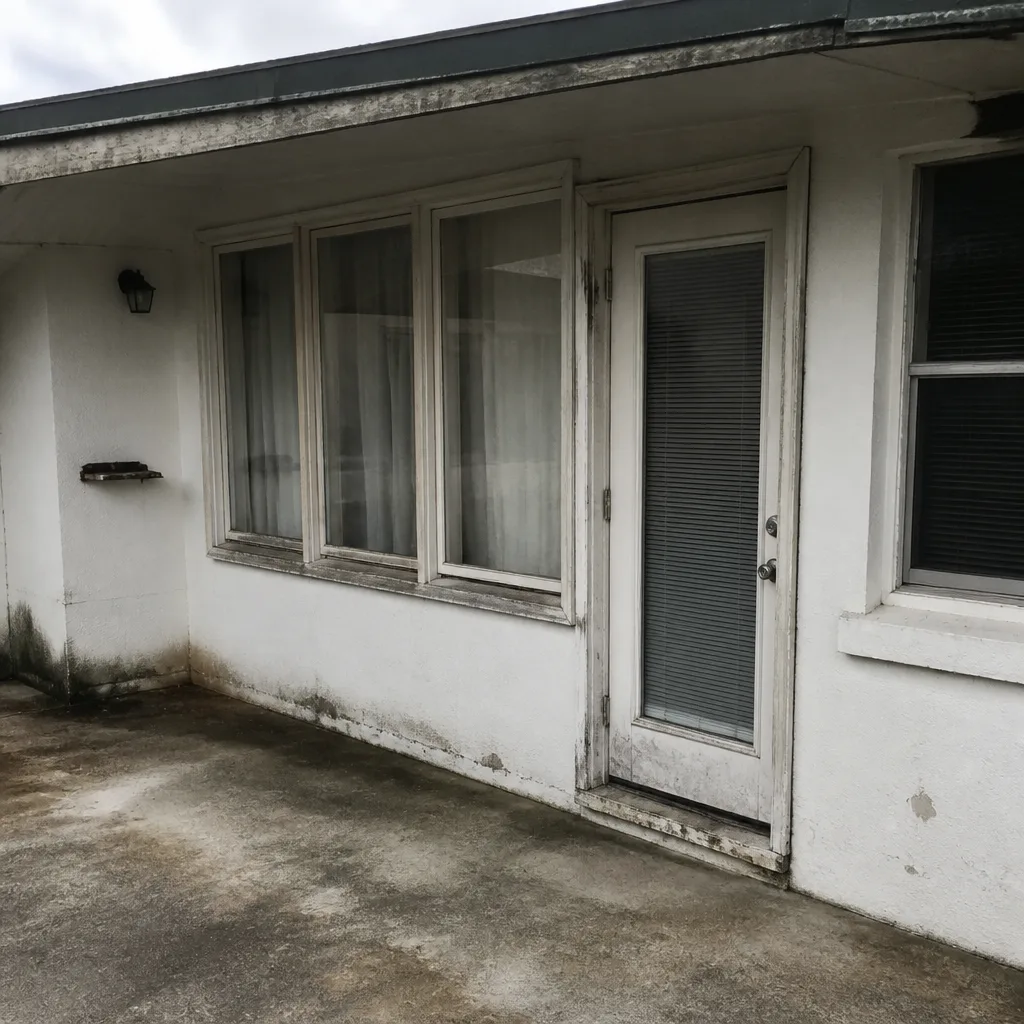 Before
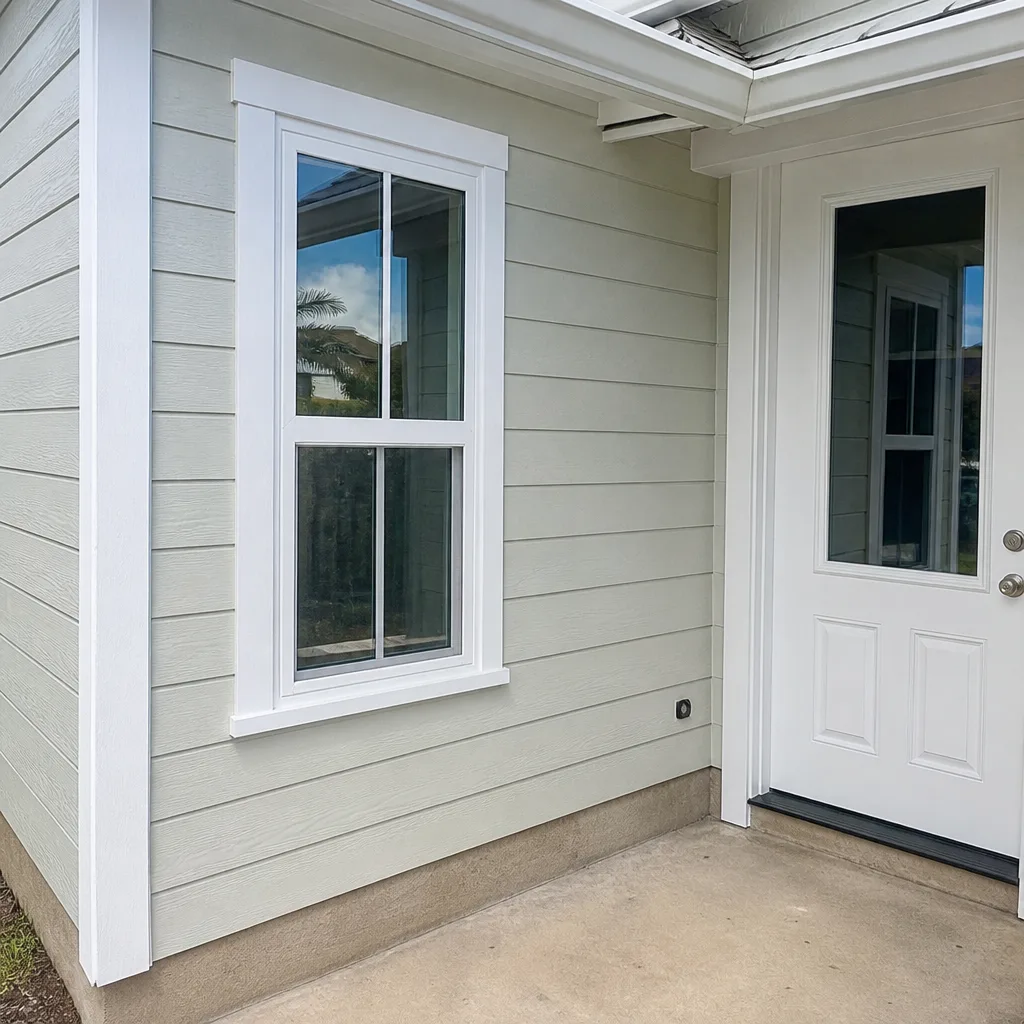 After
After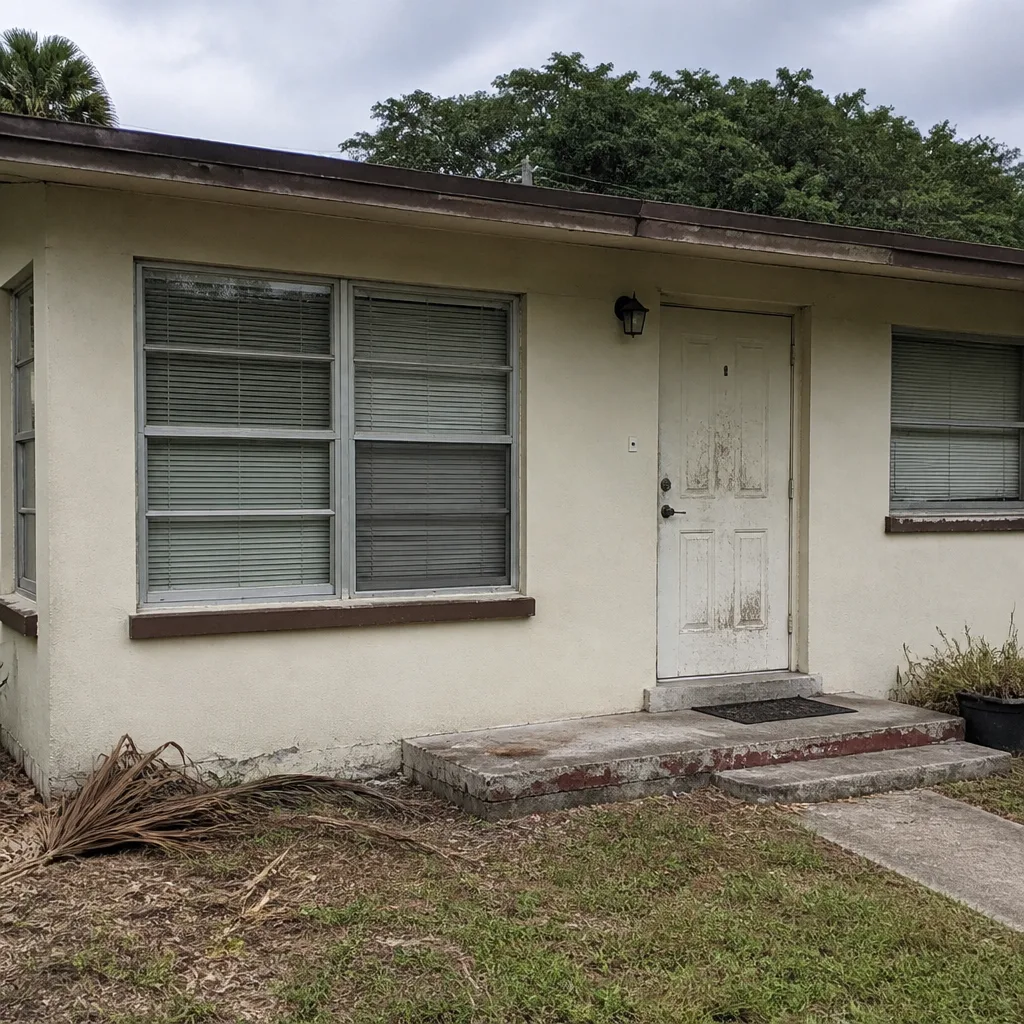 Before
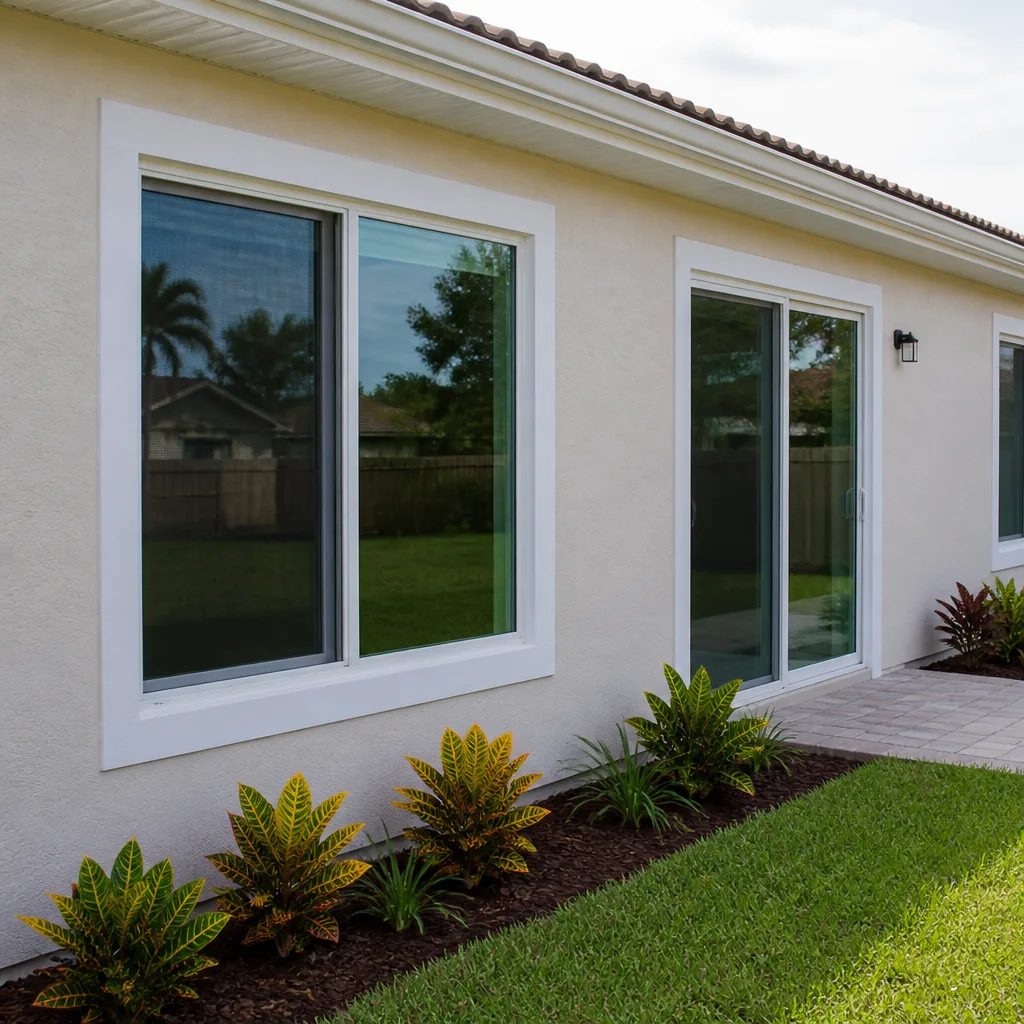 After
After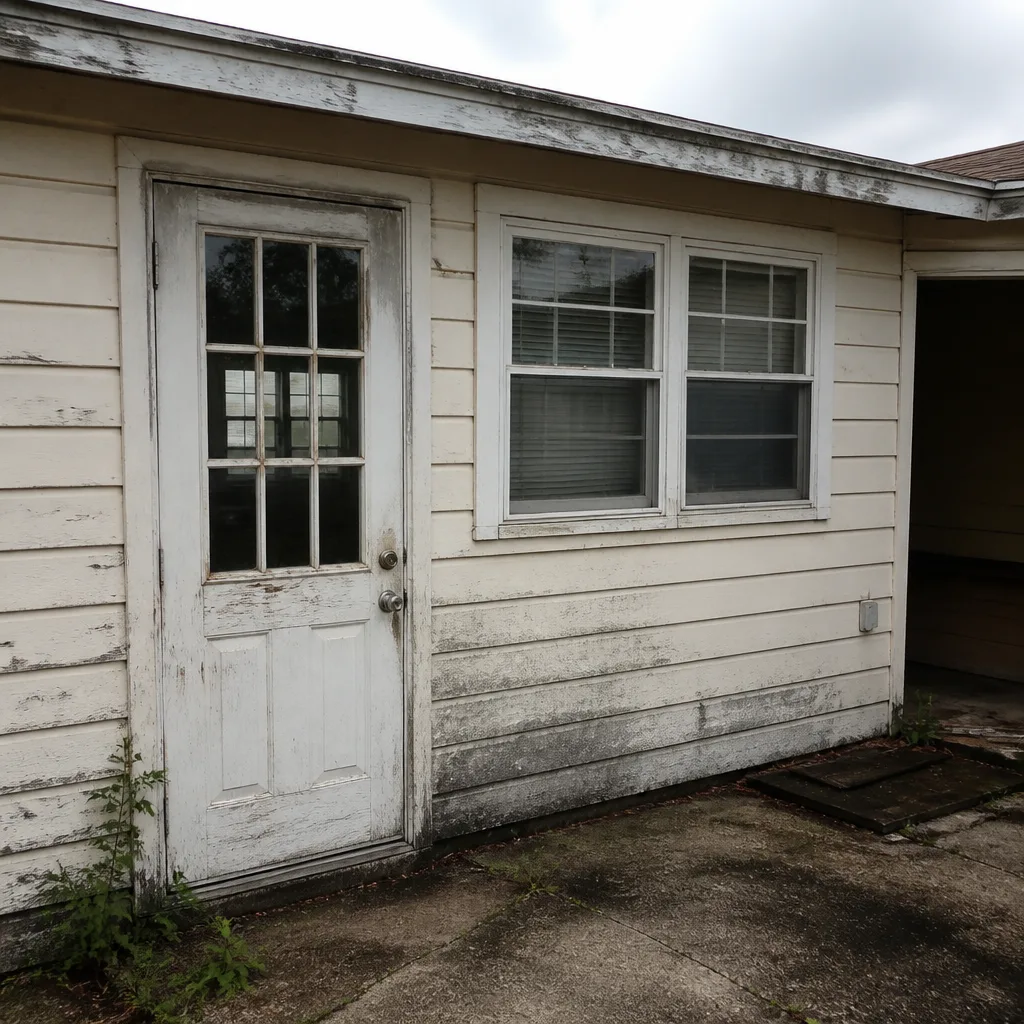 Before
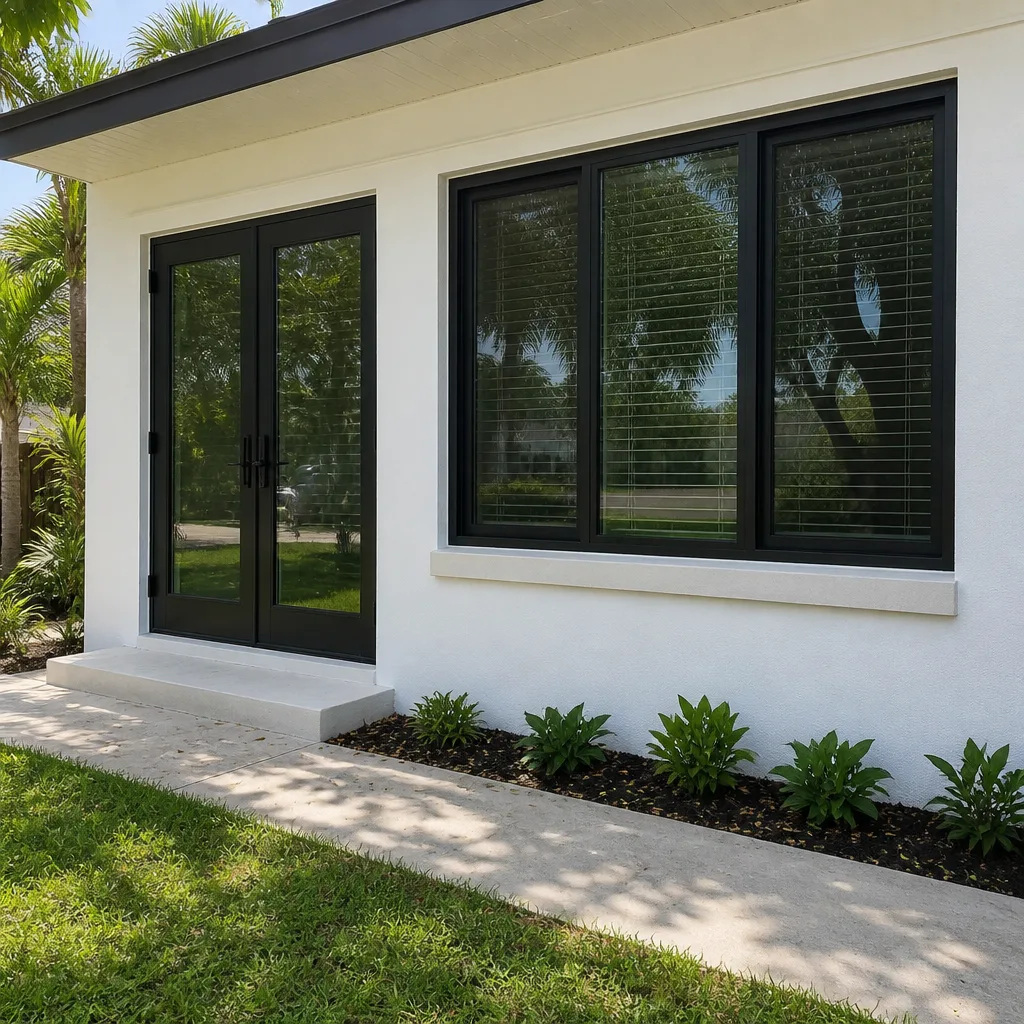 After
AfterSeasonal Windows & Doors Care for Brownsville: Year-Round Homeowner’s Guide
The single most damaging month for Brownsville window seals isn’t during hurricane season. It’s March, when sustained south winds carry caliche dust that packs into frame weep holes and traps moisture against aluminum and vinyl surfaces. This guide walks you through a care calendar built around the actual weather pattern we live with here in Brownsville: a brutal summer, a brief mild stretch, an unpredictable late-fall tropical window, and a dry, dusty spring. For more guides & resources on protecting your home, see our blog. Each phase puts a different kind of stress on your windows and doors, and knowing what to do in each one protects your investment far better than advice written for a climate with snowmelt.
Quick Answer
Seasonal window and door care in Brownsville means four distinct maintenance phases: March and April for pre-storm-season prep and dust clearing, June through October for tropical weather protocols and seal checks, November through January for recaulking and hardware adjustment during the brief cool-dry window, and February for clearing weep holes after caliche dust events. A one-page care log documenting each inspection creates a paper trail that protects warranty claims and helps with future home sales.
Table of Contents
- March-April: Pre-Storm-Season Prep and Dust Defense
- June-October: Tropical Weather Protocols for Impact Windows and Doors
- November-January: The Cool-Dry Maintenance Window
- February: Caliche Dust Season and Weep Hole Testing
- The Annual Care Log: Your Paper Trail for Warranties and Resale
- Cleaning Products: What’s Safe for Impact Laminate vs. Low-E Coatings
- Common Mistakes to Avoid
- When to Call a Professional
- Frequently Asked Questions
- The Bottom Line
March-April: Pre-Storm-Season Prep and Dust Defense
Brownsville doesn’t wait until June to start stressing your windows. The spring months bring sustained south winds that carry fine caliche dust across town, and that dust does real damage when it settles into frame tracks, weep holes, and weatherstripping. In our experience, homeowners who spend two hours on window and door care in March avoid most of the repair calls that come through our office in July and August.
Start with the exterior. Walk the perimeter of your home and look at every window and door frame. You’re checking for three things: cracked or peeling caulk, loose or bent flashing, and debris accumulation in the lower frame track. Brownsville’s spring winds push dust and grit into every seam, and that grit acts like sandpaper against rubber seals and vinyl tracks every time you open or close the unit.
Here’s the step-by-step spring prep we recommend:
- Clear the tracks. Use a soft brush or a vacuum with a crevice attachment to remove dust and debris from the bottom track of every sliding window and patio door. Don’t use compressed air; it forces grit deeper into the frame.
- Check the weep holes. These are the small drainage slots on the exterior side of the frame’s bottom edge. If you can’t see daylight through them, they’re clogged. A bent paper clip works to clear them, but be gentle and don’t enlarge the hole.
- Inspect weatherstripping. Look for flat spots, tears, or gaps where the stripping has pulled away from the frame. Hold a piece of paper against the closed sash; if it slides out easily, the seal is compromised.
- Test every lock and latch. Open and close each window and door. Hardware that sticks, grinds, or requires force is telling you something. Tighten visible screws and note any that spin without catching.
- Lubricate moving parts. Use a dry silicone spray on tracks and hinges. Avoid oil-based lubricants; they attract dust and turn into gummy sludge within weeks in Brownsville’s spring wind.
If you have impact windows from brands like PGT or CGI, pay special attention to the laminated glass edges. Spring dust can scratch the laminate when it gets caught between the sash and frame during operation. A quick wipe-down of the glass perimeter with a microfiber cloth prevents micro-scratches that reduce clarity over time.
This is also the right time to schedule any window or door replacement work you’ve been considering. Getting new units installed before hurricane season means they’re tested and sealed before the first named storm forms. If you’re thinking about impact windows in Brownsville, spring installation gives you a full season of protection, not a rushed job in late summer.
June-October: Tropical Weather Protocols for Impact Windows and Doors
Hurricane season in Brownsville runs from June 1 through November 30, and the smartest thing you can do is decide now how you’ll operate your windows and doors when a storm enters the Gulf. Our Windows & Doors Warning Signs: A Brownsville Homeowner’s Reference Guide can help you spot problems before storm season hits. The answer changes depending on whether you’re under a tropical storm watch or a full hurricane warning, and it changes again based on whether your units are impact-rated or standard.
Here’s the protocol we recommend for impact-rated windows and doors, which are designed and tested to withstand windborne debris without shattering:
- During a tropical storm watch: Keep windows and doors closed and locked, but you can operate them normally for ventilation if conditions remain mild. Impact-rated units from brands we install are tested to withstand the initial wind phases.
- During a tropical storm warning: Close and lock everything. Ventilation stops being worth the risk when sustained winds reach tropical storm force. Leave interior doors open to equalize pressure between rooms, but keep exterior openings sealed.
- During a hurricane warning: Full lock-down. Every exterior window and door stays closed, locked, and latched from the inside. Do not crack a window “to relieve pressure” - that’s a myth that causes more damage than it prevents. Modern impact-rated units are engineered to handle pressure differentials without venting.
- After the storm passes: Inspect every unit before operating it. Look for bent frames, cracked glass, or debris caught in tracks. If a window won’t open smoothly, don’t force it. Call us and we’ll walk you through what to check.
For impact casement and awning windows specifically, the operating mechanism matters. These units seal by compression when cranked shut, and leaving them even slightly open during high winds allows wind-driven rain to enter through the compression gasket. Fully closed and latched is the only correct position once a warning is issued. The crank handle should be removed and stored inside during a hurricane warning on older models without locking cranks.
Between storms, do a monthly visual check. Look for condensation between glass panes, which indicates a failed seal that compromises both energy efficiency and impact performance. Look for cracks in the glazing bead or loose screws in casement hinges. Small issues caught in July are $40 repairs; the same issues found after a storm can mean a full sash replacement.
If your windows and doors are not impact-rated, your tropical weather protocol is different. Standard glass needs physical protection - either approved shutters or plywood panels cut and pre-marked before the season starts. The time to discover that your plywood doesn’t fit is not 36 hours before landfall. If you’re weighing the cost of storm protection, talk to us about window replacement in Brownsville with impact-rated products. The long-term math favors upgraded glass over annual plywood runs.
November-January: The Cool-Dry Maintenance Window
Brownsville gets about eight to ten weeks of genuinely pleasant weather between late November and mid-January, when temperatures drop into the 60s and 70s and humidity falls below what we tolerate the rest of the year. This is the window you should use for all the maintenance work that requires dry conditions and moderate temperatures. Miss it, and you’ll be fighting summer heat and UV while trying to apply caulk that won’t cure properly above 90 degrees.
Recaulking is the first priority. The caulk around your window and door frames breaks down under Brownsville’s UV exposure faster than almost anywhere else in the country. Hairline gaps that formed during summer heat become visible in winter’s drier air. Walk your home’s exterior with a caulk gun and a tube of high-quality exterior silicone or polyurethane sealant, and fill every gap you find. Pay special attention to the tops of window frames, where water runs down from the roofline and finds any opening.
Hardware adjustment comes second. Your windows and doors have been expanding and contracting through a full summer of heat, a fall of humidity swings, and now a cooler stretch. Hinges loosen. Locks drift out of alignment. Strike plates shift. Now is when you tighten everything. A screwdriver and 20 minutes per door is usually enough. If a deadbolt doesn’t throw fully without lifting the handle, the strike plate needs adjustment. If a sliding patio door drags, the rollers need cleaning and the track needs leveling.
Weatherstripping replacement is the third major task. The rubber and foam seals around your doors and windows compress over time, and once they’re flat, they stop sealing. Winter is the easiest time to replace them because the material is firmer in cooler temperatures and seats more cleanly into the grooves. Look for compression-set stripping around your entry doors - if you can see daylight around the perimeter with the door closed, the seal is gone.
This maintenance window is also when we see the most requests for window installation in Brownsville. It makes sense: the weather is mild, your schedule is lighter than mid-summer, and new units have time to settle into their seals before hurricane season returns. If you’ve been delaying a replacement, November through January is the ideal time to do it.
February: Caliche Dust Season and Weep Hole Testing
February in Brownsville means caliche dust. The winds shift, the ground dries out, and fine white-gray powder starts blowing across every flat surface in the county. That dust gets into places you wouldn’t expect, including the drainage channels inside your window and door frames.
Here’s the problem with caliche dust: it’s finer than beach sand and it absorbs water. When it packs into weep holes, it expands and hardens, blocking the drainage path that keeps your frames dry. Water that can’t drain pools inside the track, and standing water inside a window track is the first sign of drainage failure. Once that water sits for weeks, it attacks the frame material, corrodes hardware, and creates the conditions for mold in the surrounding drywall.
After every significant dust event in February, do a weep hole test:
- Close the window or door completely.
- Pour about a cup of water directly into the bottom track.
- Go outside and watch the exterior weep holes.
- Water should drain out within 30 to 60 seconds.
- If water backs up or barely trickles out, the weep holes are clogged.
Clearing clogged weep holes requires patience. Use a small piece of rigid wire or a plastic zip tie to probe the hole gently. Work from both the inside and outside. If the blockage is packed caliche, flush it with a spray bottle of water after loosening. Never use a drill bit or anything that could enlarge the hole or damage the frame. Damage to the drainage system usually means the entire lower frame rail needs replacement, which is a far bigger job than clearing dust.
If you see standing water in a track that persists more than a day after you’ve cleared the weep holes, the problem may be deeper. Frame slope issues, missing internal baffles, or damage to the drainage channel itself can prevent proper flow. That’s when you should talk to a professional. Drainage failure left unaddressed through the spring will compound through summer storms and turn a small issue into a rotted frame or water-damaged wall by September.
For homeowners with ViewLux or CWS products, February dust is particularly relevant because these premium aluminum frames have tighter manufacturing tolerances. That’s good for energy performance, but it means the drainage channels are narrower and clog more easily. A February inspection should be non-negotiable if you own these brands.
The Annual Care Log: Your Paper Trail for Warranties and Resale
Documentation is the most underrated maintenance tool in a homeowner’s arsenal. Your window and door warranties - whether from PGT, CGI, Therma-Tru, or any manufacturer - require evidence of reasonable maintenance. If a warranty claim ever becomes necessary, a dated log of inspections and upkeep is the difference between a smooth approval and a denied claim.
Your care log doesn’t need to be elaborate. A single page per year is enough. Here’s what to record:
- Date and type of each inspection - spring prep, post-dust-event check, post-storm check, winter maintenance.
- What you found - cracked caulk, clogged weep holes, loose hardware, failed seal, condensation between panes.
- What you did - cleared weep holes, recaulked, tightened hinges, replaced weatherstripping, called a professional.
- Who did the work - you, a handyman, or a licensed contractor. Include a name and date.
- Products used - caulk brand, lubricant type, weatherstripping source. This matters if a product failure is ever questioned.
Keep the log in a folder with your window and door paperwork. When you sell your Brownsville home, that folder becomes part of your disclosure and a selling point. Buyers pay more for a house with documented maintenance history. It signals that the previous owner treated the property as an investment, not a place to hide problems until closing day.
If you ever need a professional inspection, Winslow Windows & Doors provides written documentation of everything we find and everything we do. That paperwork folds directly into your care log and becomes part of your permanent record. We’ve been serving Brownsville homeowners since 2011, and we’ve seen how detailed logs help in warranty claims, insurance negotiations after storms, and real estate transactions.
Cleaning Products: What’s Safe for Impact Laminate vs. Low-E Coatings
Not all window glass in Brownsville is the same, and using the wrong cleaner can void your warranty. Impact-rated laminated glass, standard float glass with Low-E coatings, and vinyl or aluminum frames each require different care. The cleaner that works fine on a standard window can permanently haze an impact laminate or degrade a Low-E coating’s metallic layer.
Here’s the breakdown:
- Impact laminated glass (PGT, CGI, ES Windows): Use a mild soap-and-water solution or a dedicated glass cleaner labeled safe for laminated glass. Avoid anything with ammonia or abrasives. The interlayer between the two panes of glass is a polymer film, and ammonia can cause edge clouding over time, especially at the perimeter where the laminate is exposed.
- Low-E coated glass (most energy-efficient windows, including ViewLux products): The coating is on the interior surface of the outer pane, which means you’re usually cleaning the uncoated surface. But if you have a unit where the Low-E faces inward on the inner pane, avoid acidic or alkaline cleaners. Vinegar-based cleaners can etch the metallic coating and cause permanent visible streaking.
- Vinyl frames: Never use petroleum-based solvents or abrasive cleaners. They degrade the PVC and cause discoloration that no amount of cleaning will fix. Mild soap and water is all you need.
- Aluminum frames: Avoid anything with ammonia. Over time, ammonia breaks down the finish on anodized and powder-coated aluminum, leading to chalky white oxidation. Soap and water, or a cleaner formulated specifically for coated metals.
The general rule: if a cleaner has ammonia, keep it away from your windows in Brownsville. The combination of our intense UV exposure and ammonia-based cleaners accelerates frame degradation significantly. What a homeowner in Ohio can get away with for decades, a Brownsville homeowner will see fail in three to five years because of the sun’s intensity here.
Use microfiber cloths for glass. Paper towels leave lint and can scratch coatings. Wipe frames dry after cleaning to prevent water spotting and mineral residue from Brownsville’s hard water. And never use a pressure washer on window frames or door frames. The pressure forces water past seals and into places it was never meant to go, and it damages weatherstripping instantly.
Common Mistakes to Avoid
- Using ammonia-based glass cleaner on impact windows. Windex and similar products contain ammonia, which degrades the laminate edge over time and attacks aluminum frame finishes. Switch to a soap-based cleaner and your windows will look better longer.
- Ignoring clogged weep holes until you see water damage. By the time water stains appear on interior drywall below a window, the frame has likely been holding water for months. In Brownsville’s humid climate, that means rot, mold, and a far more expensive repair.
- Lubricating tracks with WD-40 or oil-based sprays. Oil attracts caliche dust and turns to grinding paste inside your tracks within weeks. Dry silicone spray is the correct product for any moving window or door part in this climate.
- Waiting until a hurricane warning to inspect your windows and doors. The time to discover that a crank mechanism is stripped or a lock doesn’t engage is in March, not three days before landfall. Storm prep should start months before the season.
- Cracking a window during a hurricane to “relieve pressure.” This is a persistent myth that has damaged countless homes. Modern construction, especially impact-rated units, is engineered to handle pressure differences without venting. Keep everything sealed.
- Skipping the February post-dust weep hole test. Caliche dust is the silent killer of Brownsville window frames. One February storm can clog every drainage hole on the windward side of your house, and the damage compounds for months before you notice.
- Replacing weatherstripping without cleaning the groove first. New weatherstripping installed over old adhesive and trapped dust won’t seat properly. Clean the groove fully, let it dry, then install the new material for a clean seal.
When to Call a Professional
Some maintenance tasks are genuinely DIY, and some aren’t. If you’ve cleared your weep holes and water still stands in the track after 24 hours, the drainage system inside the frame is compromised and needs professional attention. If you see condensation between glass panes, the seal has failed and the only fix is unit replacement. If a door or window won’t close squarely even after hinge adjustment, the frame may have shifted and require re-installation. If you notice soft drywall or staining around any frame, water has been getting in and you need an inspection before the damage spreads. And if you’re considering any work on tension hardware or spring-loaded mechanisms, leave it alone and call someone trained for it. Winslow Windows & Doors offers free estimates in Brownsville - call (727) 860-0593 and we’ll take a look.
Frequently Asked Questions
In Brownsville, clean your window and door tracks every two months during the dry season (February through May) and at least once during the summer months. The caliche dust that blows through in spring accumulates faster than most homeowners expect, and a two-month schedule prevents the packed-dust clogs that cause drainage problems later.
November through January is the best time for window and door replacement in Brownsville because the cooler, drier weather allows caulk and sealant to cure properly, and your new units settle into their frames before hurricane season starts. Check our Windows & Doors Cost Breakdown: The Brownsville Homeowner’s Reference for 2026 to budget for your project. Spring installation is also workable if you’re preparing for storm season, but summer heat and hurricane risk make mid-season installation less ideal.
Impact windows require the same basic maintenance as standard windows, but with extra attention to the laminated glass edges and the heavier hardware. The laminate interlayer means you should avoid ammonia-based cleaners, and the stronger frames mean hardware adjustments should be done carefully to preserve the compression seals that make the units perform correctly during storms.
Pour about a cup of water into the bottom track of a closed window or door and watch the exterior weep holes under the frame. Properly functioning weep holes will drain the water within 30 to 60 seconds. Slow or nonexistent drainage means the holes are clogged or the internal drainage channel is compromised. Call (727) 860-0593 if clearing the holes doesn’t restore proper flow.
Close and lock every window and door, remove crank handles from casement and awning units if they’re not locking models, and clear any debris from exterior tracks that could be blown against the glass. If you have impact-rated windows, that’s the full protocol. If you have standard glass, install your pre-cut storm protection at least 24 hours before forecasted arrival.
Yes. Most premium window and door manufacturers include language in their warranty agreements requiring evidence of reasonable maintenance. A simple one-page annual log with dates, findings, and actions taken is sufficient documentation. When a warranty claim involves seal failure or frame degradation, a maintained log is often the deciding factor in approval.
The Bottom Line
Brownsville’s climate punishes windows and doors differently than anywhere else in Texas, and your maintenance schedule should reflect that reality. March and April are for dust defense and pre-storm prep. June through October is for monitoring and storm protocols. November through January is your maintenance window for caulk, hardware, and weatherstripping. February brings the caliche dust that demands weep hole testing. A one-page care log ties it all together and protects your investment through warranty claims and future resale. Ed’s name is on the door, and on every job we do. The one down the road.
Call Winslow Windows & Doors at (727) 860-0593 for a free estimate on any window or door service in Brownsville. A live person answers, 24/7.
Written by Ed Winslow, Owner at Winslow Windows & Doors, serving Brownsville since 2011.
Six Reasons Homeowners Choose Winslow Windows & Doors
Impact systems engineered to design pressures up to +/-100, matched to your wind zone - your openings hold when the storm arrives.
Low-E insulated impact glass from our manufacturer lines commonly cuts monthly cooling bills 20-30%.
Laminated impact glass shuts out up to 40% of outside noise - traffic, neighbors, weather.
Monitoring services run $30-90 a month. Laminated impact glass resists forced entry around the clock, with no subscription.
Florida homeowners average around 25% savings on the windstorm portion of their policy after protecting every opening - some homes qualify for more.
A full impact package upgrades curb appeal, buyer confidence and appraised value in one project.