
Last updated August 27, 2026
Free in-home measure and quote - PGT, CGI and CWS impact lines compared on your actual openings, style by style
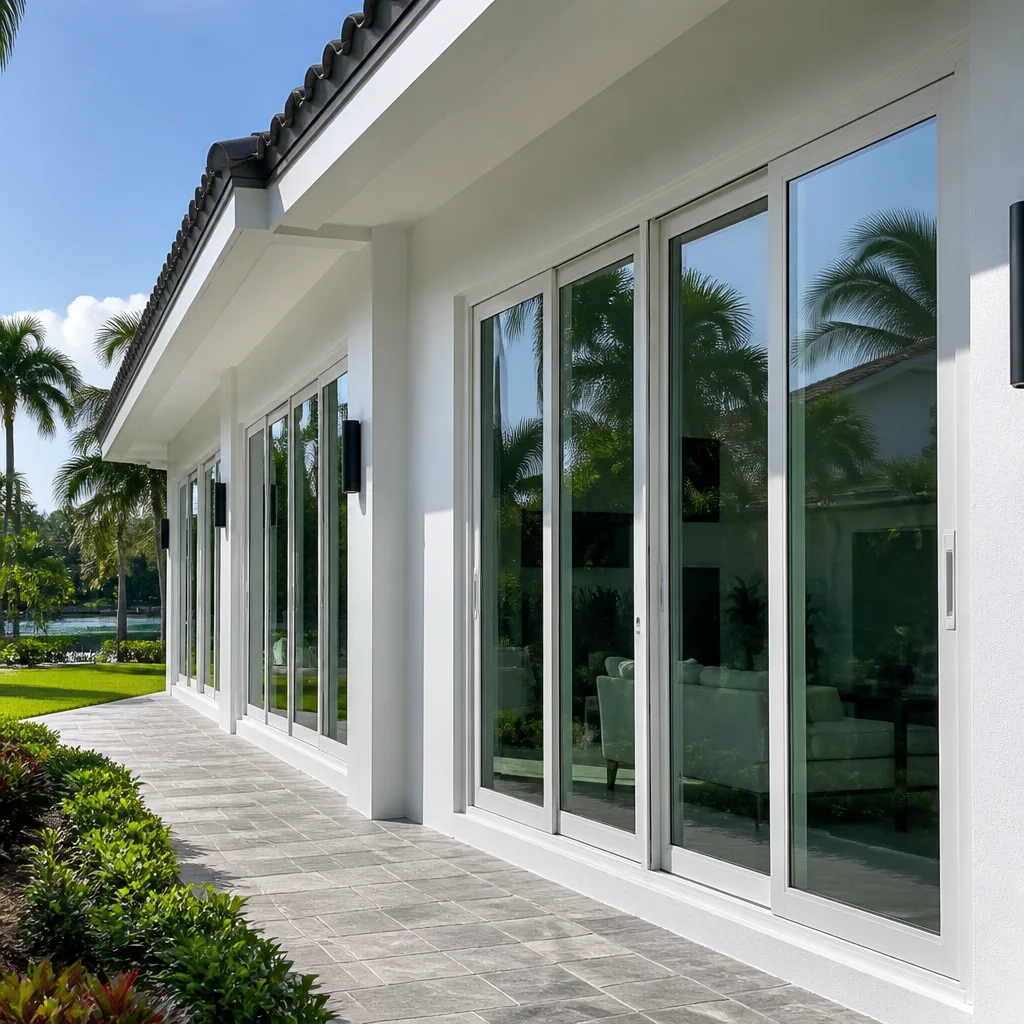
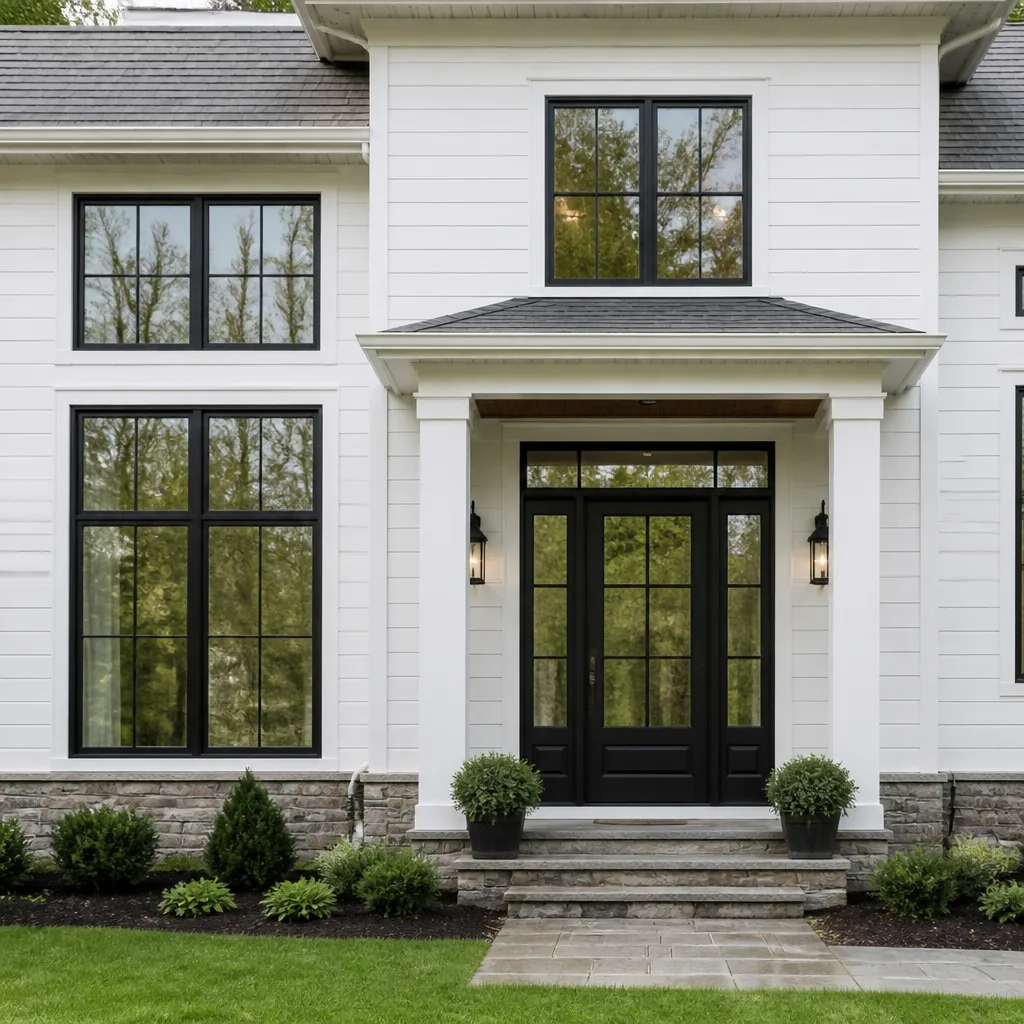
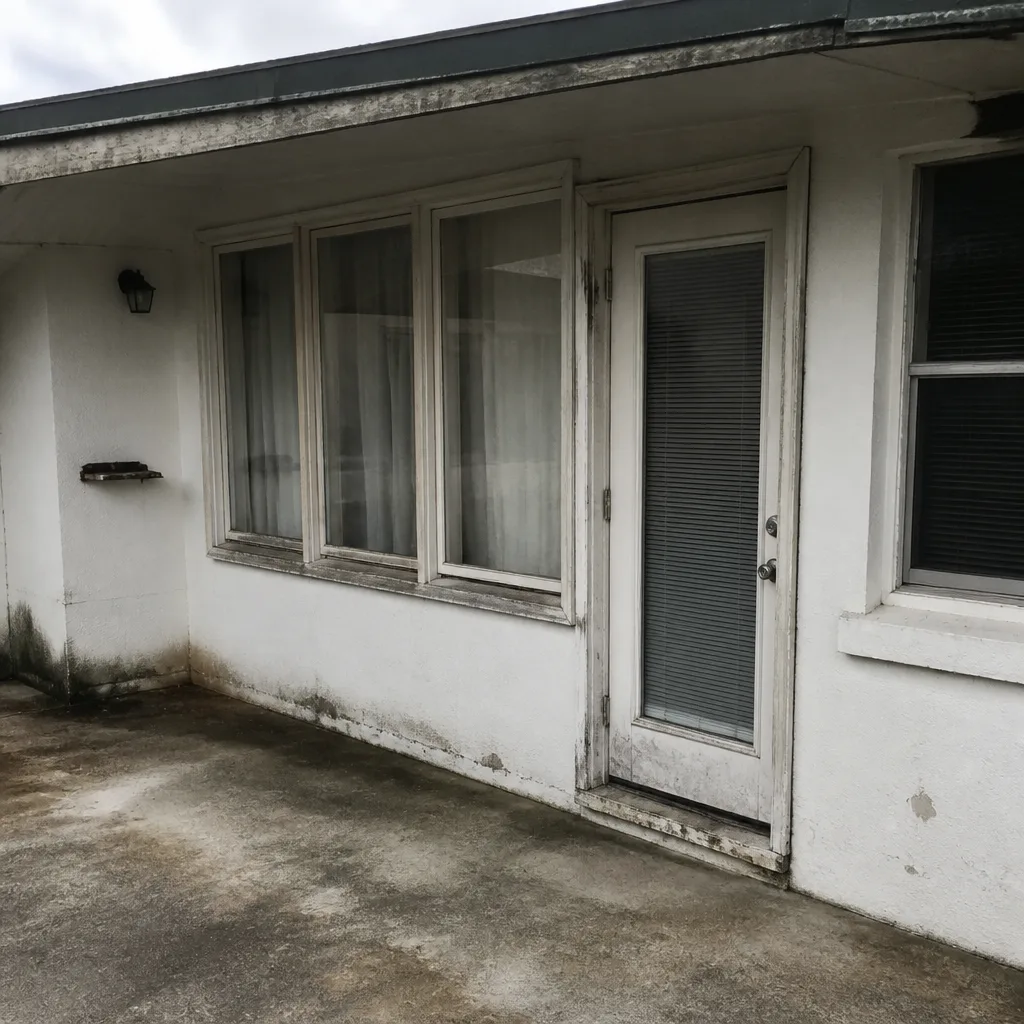 Before
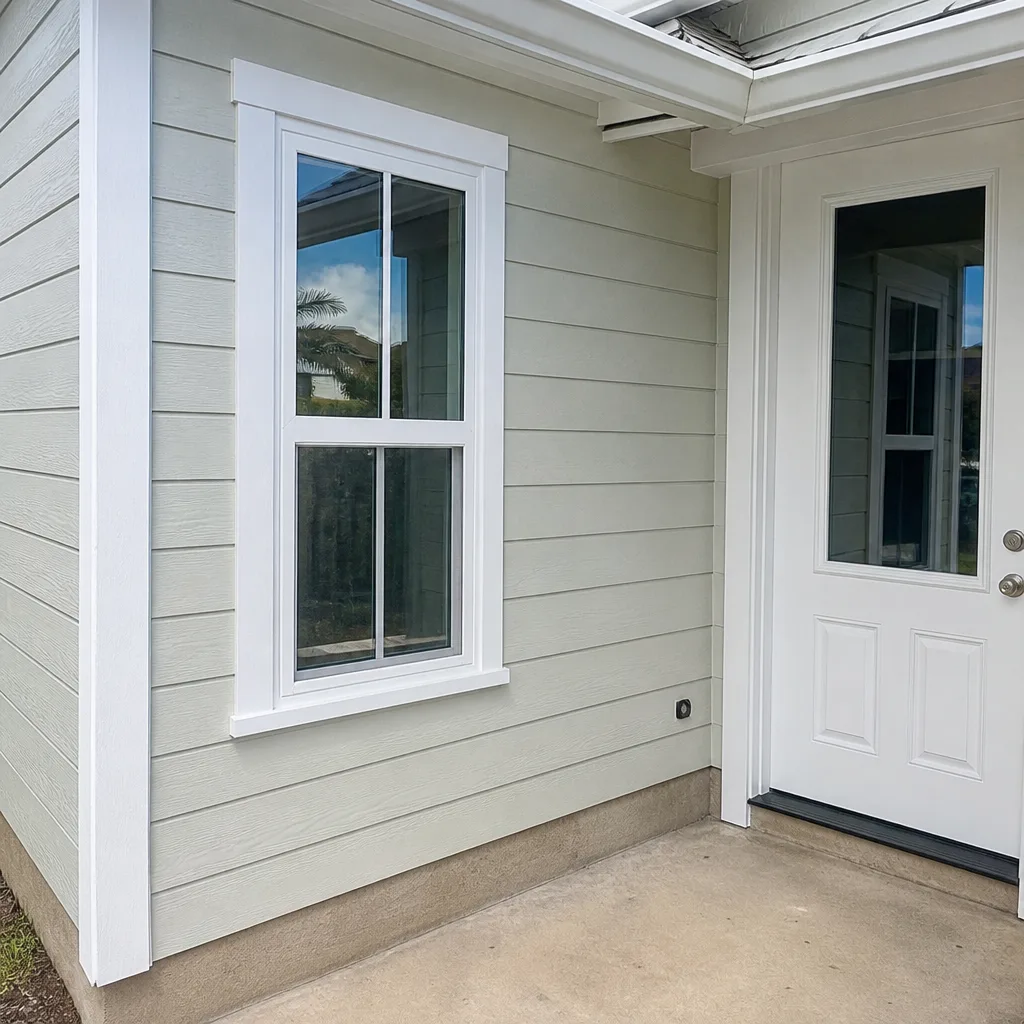 After
After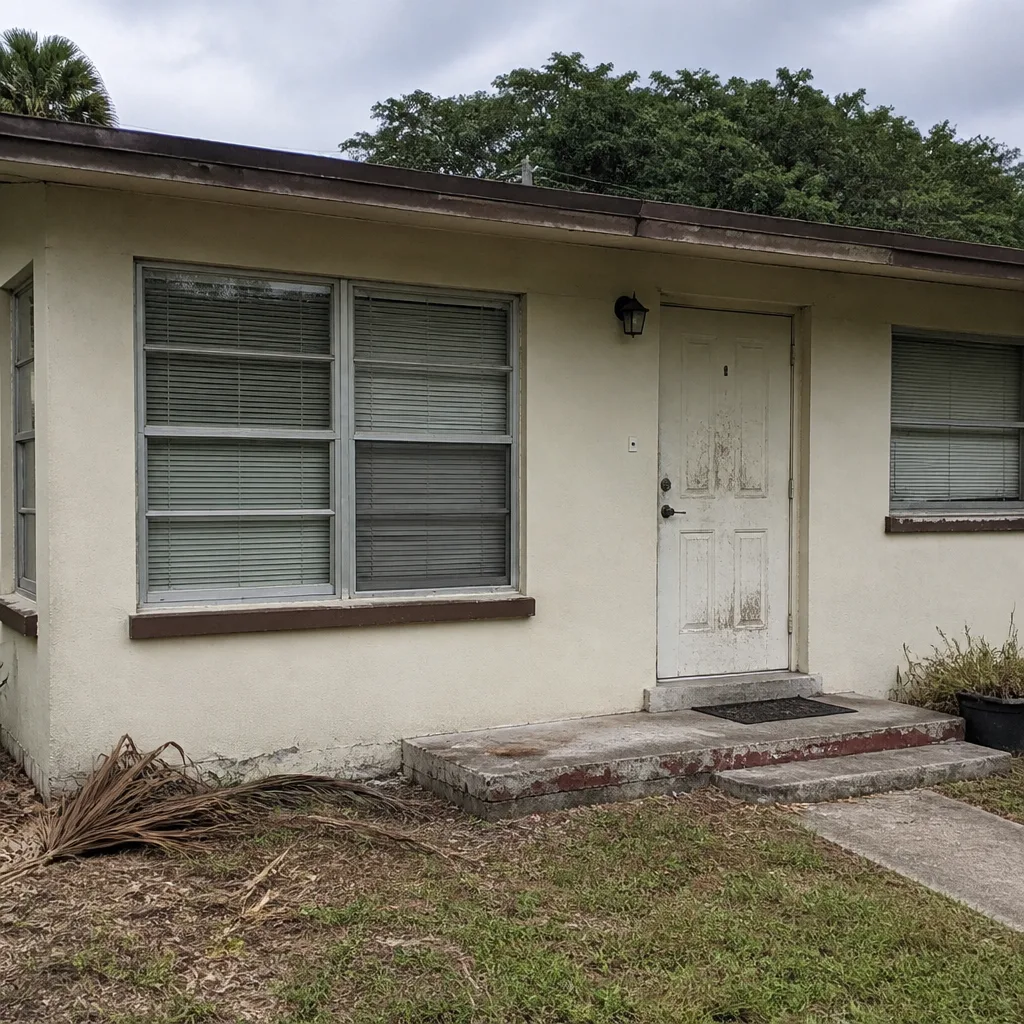 Before
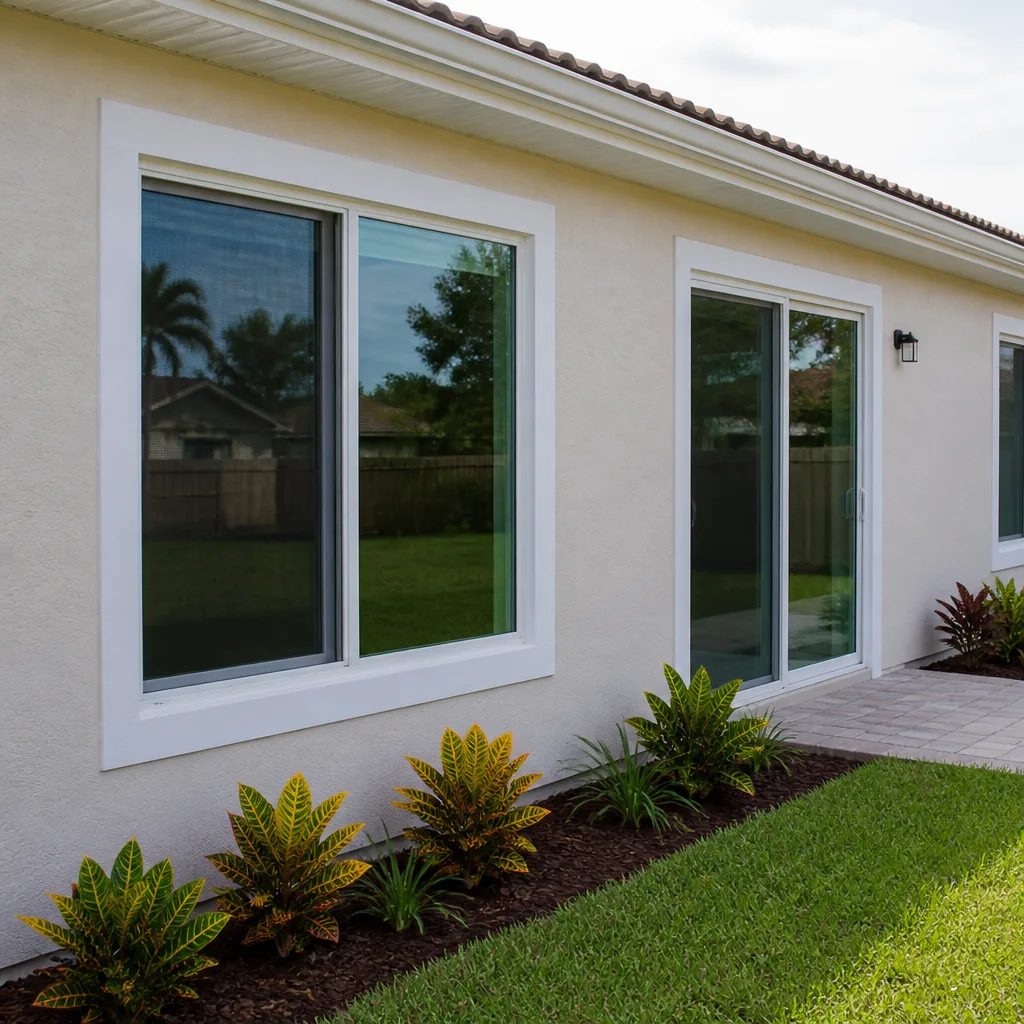 After
After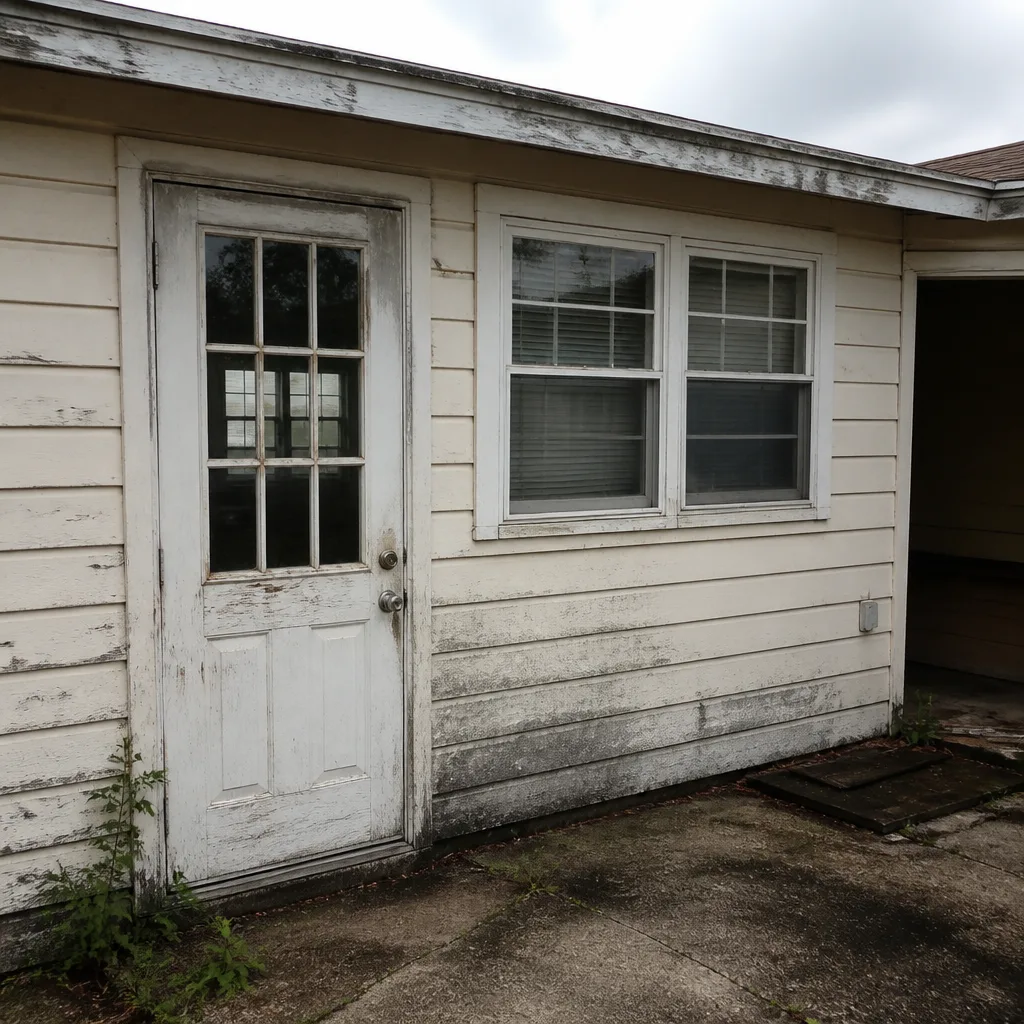 Before
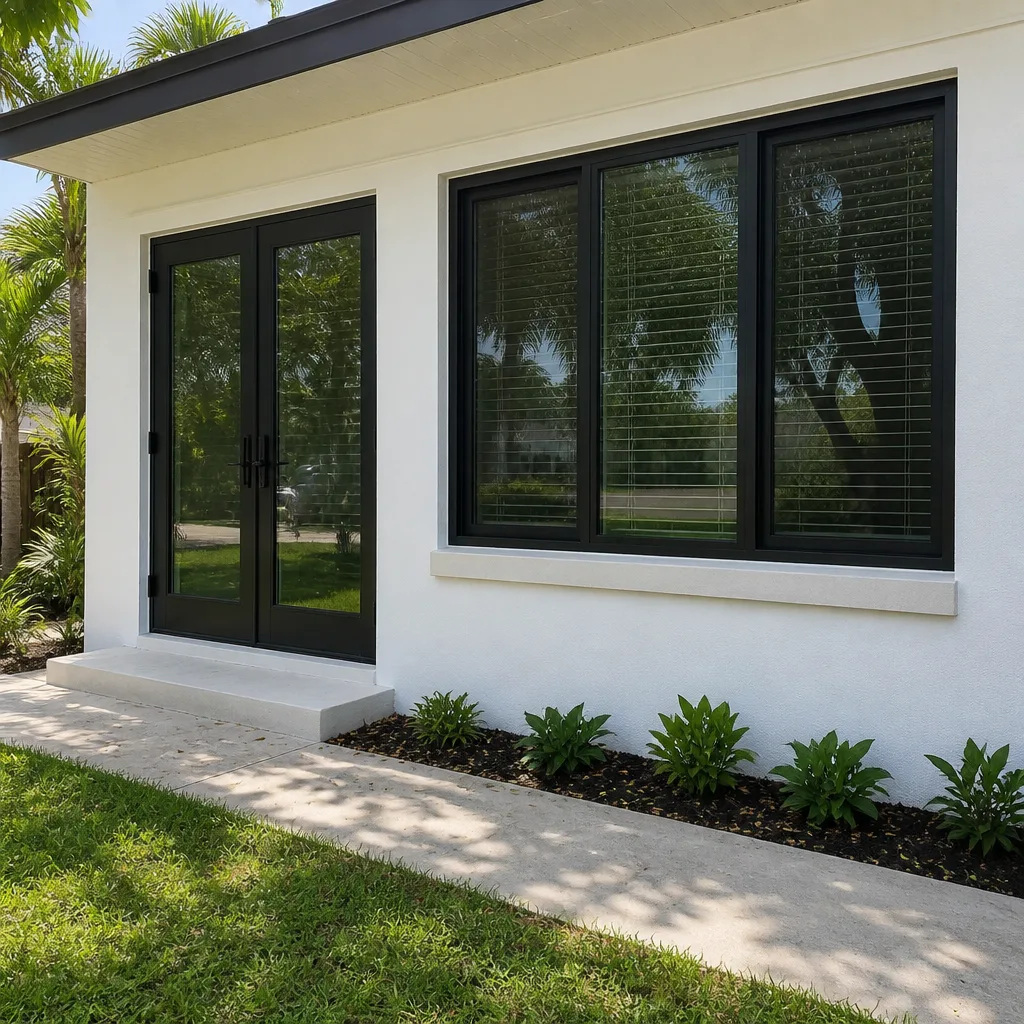 After
AfterImpact Windows Maintenance Checklist for Brownsville Homeowners
A hairline crack in an impact window’s inner pane doesn’t compromise the glass’s impact resistance. What it does do is allow moisture to migrate between the laminates, and in Brownsville’s humidity, that means the frame can be rotting from the inside out for months before you notice anything on the surface. Most homeowners only find out when a technician removes the trim for an unrelated repair. This guide-along with our Seasonal Windows & Doors Care for Brownsville: Year-Round Homeowner’s Guide-walks you through a room-by-room, season-by-season maintenance routine calibrated specifically for South Texas salt air, UV intensity, and the dust that blows in from the coastal flats. You’ll learn what to inspect, when to inspect it, and what you can document at home that will actually hold up during a warranty claim.
Quick Answer
Our Impact Windows services include maintenance in Brownsville that comes down to twice-yearly inspections of the frame seals, weatherstripping, weep holes, and hardware, with special attention paid to the PVB interlayer for early signs of delamination. You should inspect every window and door in your home each spring and fall, lubricate multi-point locks on a quarterly schedule, and clear weep holes after every major dust storm or heavy rain. The entire routine takes a homeowner roughly two hours per session, and it’s the single most effective way to protect the premium you paid for impact-rated protection.
Table of Contents
- Why Impact Windows Fail Without Maintenance
- The Brownsville Biannual Inspection Checklist
- Checking the PVB Interlayer for Delamination
- South Texas Weatherstripping: The Accelerated Degradation Problem
- Weep Hole Maintenance in Calcareous Soil Environments
- Hardware Lubrication for Salt-Air Homes
- Warranty Documentation: What Actually Helps Your Claim
- Common Mistakes to Avoid
- When to Call a Professional
- Frequently Asked Questions
Why Impact Windows Fail Without Maintenance
Impact windows are engineered to take a 2×4 launched at 34 miles per hour without breaching. What they’re not engineered to do is shrug off the slow, cumulative damage of a Brownsville summer. Salt in the air, UV indices that hover near extreme for four months straight, and seasonal dust storms carrying fine calcareous particles all work on your window systems differently than the manufacturer’s testing protocols anticipated. Northern climate testing cycles simply don’t replicate what happens to a frame seal at 98 degrees Fahrenheit with 80 percent humidity day after day.
Here’s what we know from over fifteen years of installing and servicing impact windows in this region: the failure you’ll experience won’t be catastrophic glass breakage. It’ll be a seal that hardens and cracks, a weep hole that clogs with a paste of dust and humidity, or a multi-point lock that seizes because the factory lubricant has turned to gum. Each of these is preventable with a maintenance routine that respects local conditions. And each of them, left alone, becomes a problem that voids portions of your warranty because manufacturers reasonably expect homeowners to perform basic upkeep.
Think of impact windows the way you’d think of any long-term investment in a coastal home. You wouldn’t skip roof inspections after a hailstorm. You wouldn’t ignore the undercarriage of a beach truck. Impact windows are no different. They need eyes on them, on a schedule, with a checklist.
The Brownsville Biannual Inspection Checklist
The core of effective impact window maintenance in Brownsville is a twice-yearly walkthrough: once in early March before the heat arrives, and once in late October after the last of the hurricane season weather has passed. These two points catch seasonal damage at its earliest stage and prep your frames for the season ahead. Some people prefer to align inspections with daylight saving time changes as a memory anchor.
Here’s the room-by-room checklist to follow each session:
- Visual glass inspection from inside each room. Stand at a slight angle to each pane and look for distortions, cloudiness between the layers, or any point where light reflects differently. Hairline cracks in the inner pane are often invisible head-on and only reveal themselves at an angle.
- Frame tap test. Run the heel of your hand along the frame of each window and door, top to bottom. A healthy frame feels solid and uniform. Soft spots, hollow sounds, or areas that flex under light pressure indicate internal moisture damage or corrosion.
- Seal inspection. Check the caulk or gasket line where the frame meets the wall opening on the exterior side. Look for cracked, peeling, or pulled-away sealant. In Brownsville’s heat, exterior seals take a beating, especially on the west and south exposures.
- Weatherstripping check. Open each operable window and inspect the rubber or foam strips along the sash. Pinch them. Healthy weatherstripping recovers its shape. If it stays compressed or flakes off in your fingers, it needs replacement.
- Weep hole inspection. Locate the small drainage holes or slots on the bottom exterior of each frame and confirm they’re clear of debris.
- Hardware operation. Open, close, tilt, and lock every operable window. Listen for grinding. Feel for resistance. Smooth operation is the baseline; anything less means the hardware needs attention.
- Screen check. If you have screens on your impact windows, inspect them for tears and ensure the screening material isn’t corroded from salt air. Torn screens don’t affect impact performance, but they invite insects into the track, and insect debris is a common contributor to weep hole clogs.
Each of these checks takes about two minutes per window. A twelve-window home takes roughly half an hour for the full pass. The payoff is catching small problems before they become structural ones.
Checking the PVB Interlayer for Delamination
The PVB interlayer is the polyvinyl butyral sheet sandwiched between the two panes of glass in your impact windows. It’s what holds the glass together when something hits it, and it’s the component most homeowners never think about until a contractor points out a problem. Delamination is the process of that interlayer separating from the glass, and once it starts, the window’s structural integrity slowly diminishes.
Delamination shows up in specific, identifiable ways. Here’s what to look for during your inspection:
- Cloudy or hazy patches appearing from the edges of the glass inward. This is the earliest sign. It looks like condensation that never dries, but it’s actually air entering between the layers where the bond has failed.
- A “milky” edge around the perimeter of the pane. This indicates moisture has already penetrated the laminate edge seal. In Brownsville’s humidity, this progresses faster than in drier climates.
- Distortion or waviness in the glass when viewed at an angle. If your reflection seems to warp or ripple in certain areas, the interlayer may be puckering away from the glass.
- Small bubbles or blisters within the glass itself. These form when air pockets develop between the PVB and the pane. They’re irreversible and will expand over time.
Water migration is the hidden consequence. A delaminating window in Brownsville typically develops a slow leak at the edge seal first. Water enters, saturates the interlayer, and sits against the frame. By the time the glass itself looks visibly compromised, the frame channel may have been holding moisture for a year or more. Wood and metal frames both suffer, though differently: wood rots, metal corrodes.
If you spot any of these signs, take photos, mark the window location on a floor plan sketch, and contact a professional for an in-person assessment. Early delamination can sometimes be addressed without full replacement. Late-stage delamination almost always requires a new unit.
South Texas Weatherstripping: The Accelerated Degradation Problem
Weatherstripping manufacturers publish lifespan estimates based on testing in temperate climates: five to seven years is typical. In Brownsville, we regularly see weatherstripping on impact windows hardening and cracking within three to four years of installation. The reason is straightforward. Rubber and foam compounds degrade under sustained UV exposure and high heat, and South Texas delivers both in quantities that simply don’t exist in the laboratories where those lifespan numbers were generated.
The west-facing windows in a Brownsville home get the worst of it. Afternoon sun beats directly on those frames from roughly 2 p.m. until sunset, and the thermal cycling from daily heating and cooling causes the weatherstripping to expand and contract hundreds of times per year. Eventually, the material loses its elasticity. It stops springing back when compressed. Then it cracks. Then it flakes.
What failed weatherstripping costs you depends on the season. In summer, it allows conditioned air to escape and humid outdoor air to infiltrate, which drives up your cooling costs and puts more strain on your HVAC system than necessary. In storm season, it’s one more path for driven rain to enter the frame channel. And in dusty conditions, the same gap that leaks air also admits fine dust, which works its way into the hardware and accelerates wear on moving parts.
The practical takeaway: replace weatherstripping in Brownsville on a three to four year cycle, not the five to seven years suggested by manufacturer literature written for other climates. During your biannual inspection, pinch-test every strip. If it doesn’t bounce back, flag it for replacement. Weatherstripping is an inexpensive maintenance item compared to what water intrusion does to a frame assembly over time.
Weep Hole Maintenance in Calcareous Soil Environments
Weep holes are the small drainage openings at the bottom exterior edge of your impact window frames. Their job is simple: allow any water that enters the frame channel to drain outward instead of pooling inside. Their enemy in the Brownsville area is a specific combination of conditions: dust storms carrying fine soil particles, calcareous (calcium-rich) soil common throughout the region, and the humidity that turns that fine dust into a paste.
When weep holes clog, the water they’re designed to drain has nowhere to go. It sits in the bottom channel of the frame. Over time, that standing water works on the frame material. Aluminum frames are vulnerable to corrosion from the inside out, especially within ten miles of the Gulf where salt is present in the airborne moisture. The first visible sign is often a white or chalky residue accumulating around the weep hole itself, which is the aluminum oxidizing.
Cleaning weep holes is straightforward and takes no more than a few minutes per window:
- Locate the weep holes on the bottom exterior edge of the frame. Most impact windows have two or three per operable unit.
- Use a soft-bristle brush or a can of compressed air to remove loose debris from the hole opening.
- If the hole is packed with dried paste, use a small non-metallic pick (a wooden toothpick or plastic dental pick) to gently break up the clog. Never use a metal tool, which can gouge the frame coating and create a new corrosion point.
- Once clear, pour a small amount of water into the bottom track from the interior side and confirm it drains out the front.
- Repeat after every major dust event or heavy rainstorm during the dry season.
The frequency matters. A single storm season in Brownsville can deposit enough fine soil on exposed window frames to reduce weep hole function by half. Two seasons of neglect and they’re completely sealed. Make weep hole inspection a fixed item on your post-storm routine, not just your biannual checklist.
Hardware Lubrication for Salt-Air Homes
Multi-point locking systems on impact doors are precision hardware. They engage at three or more points along the door frame, distributing the locking force and maintaining the seal that gives your impact door its structural rating. They’re also the hardware most vulnerable to failure in coastal air, because the factory lubricant gradually breaks down and salt accelerates oxidation on the exposed metal surfaces.
If you live within ten miles of the Gulf, your multi-point lock hardware needs lubrication on a quarterly schedule. That’s more frequent than manufacturers typically recommend, but the combination of salt air and humidity here demands it. A lock mechanism that feels stiff or produces a grinding sound is already in the early stages of accelerated wear. Left alone, the mechanism eventually binds, and a bound multi-point lock often means the door has to be disassembled to repair, which is a much more expensive proposition than three minutes with a lubricant.
Here’s the lubrication routine we recommend for Brownsville homeowners:
- Open the door fully and locate all lock points along the edge. Most impact doors have at least three: at the top, center, and bottom of the frame.
- Wipe each lock point with a clean cloth to remove old lubricant and accumulated grit.
- Apply a silicone-based or PTFE-based lubricant (not WD-40, which is a solvent, not a lasting lubricant) directly to each moving component.
- Operate the lock mechanism through several full cycles to work the lubricant into the moving parts.
- Wipe away any excess from the visible surfaces to prevent dust accumulation on the lubricated areas.
The same quarterly schedule applies to window cranks, hinges, and friction stays on casement and awning style impact windows. In our experience installing impact windows in Brownsville with hardware from manufacturers like CGI, the hardware that gets lubricated quarterly outlasts the hardware that gets forgotten by a significant margin.
Warranty Documentation: What Actually Helps Your Claim
Here’s a hard truth about warranty claims on impact windows: the homeowner who can produce dated, organized documentation gets a faster resolution and a fairer outcome than the homeowner who calls and says, “It was cloudy, I think, for a while.” You don’t need a contractor’s toolkit to create useful documentation. You need a camera phone, a tape measure, and consistency.
What to document during every inspection and after every weather event:
- Photographs. Take clear photos of any issue from multiple angles, including a wide shot that shows the window’s location within the room and a close-up of the specific problem. Photos that show where something is are as valuable as photos that show what it is.
- Measurements. If you’re tracking a crack, measure its length. If you’re tracking delamination, note the size of the affected area. Month-over-month measurements tell a story that a single snapshot can’t.
- Dates. Every photo from your phone is automatically dated, but write it down anyway in a simple log. “March 12: cloudiness noted on living room window, right pane, upper corner, roughly 4 inches across.”
- Weather context. After any significant storm, dust event, or extreme heat spell, note it in your log. Correlating weather with observed changes strengthens your documentation of cause and effect.
- Manufacturer stickers. Before you ever have a problem, photograph the manufacturer label or etching on every window unit. This often contains the serial number, production date, and glass make-up, all of which the manufacturer will ask for during a warranty claim.
This documentation does more than support warranty claims. It also gives whoever services your windows a much clearer picture of the history, which means a faster diagnosis and a more accurate repair. At Winslow Windows & Doors, we’ve helped homeowners file successful claims with documentation they kept in a simple notebook, because the consistency of the record made the timeline unambiguous.
Common Mistakes to Avoid
- Using harsh solvents or ammonia-based glass cleaners on impact glass. Ammonia can break down the edge seal over time with repeated exposure. Use a mild solution of dish soap and water, or a cleaner specifically formulated for coated glass.
- Pressure washing window frames. The high-pressure spray drives water past the seals and into the frame channel, defeating the weep hole system entirely. Hand-wash frames with a soft cloth and gentle cleaning solution instead.
- Ignoring window screens because they “don’t affect impact performance.” Torn screens allow dust, insects, and salt spray to enter the track, all of which accelerate hardware wear and clog weep holes. Replace damaged screens promptly.
- Painting over weep holes. If you have aluminum frames repainted, confirm the painter knows to keep weep holes clear. Paint-clogged weeps are one of the most common causes of frame corrosion we see in Brownsville homes.
- Assuming a cloudy window is “just condensation.” Condensation can form on the surface of glass. If the cloudiness is between the panes or along the edge, that’s delamination or seal failure, and it needs professional assessment.
- Deferring maintenance because “the windows are supposed to last forever.” Impact windows are durable, not maintenance-free. The components that degrade are the seals, weatherstripping, and hardware, all of which are replaceable with timely attention.
- Using WD-40 or another penetrating oil on window hardware. These products dissolve the existing lubricant and provide only temporary relief, leaving metal surfaces vulnerable to corrosion in Brownsville’s coastal air.
When to Call a Professional
Some maintenance tasks fall within a homeowner’s scope. Others don’t. If your inspection reveals any of the following, schedule a professional assessment rather than attempting a fix: persistent cloudiness between glass layers, water staining on interior walls or trim around a window, visible frame corrosion or soft spots, a multi-point lock that won’t engage smoothly even after lubrication, or weatherstripping that requires frame disassembly to replace. Impact window frame repair often involves removing interior trim, working with structural fasteners, and matching materials to manufacturer specifications, and an improper repair can compromise the very protection you paid for. Window replacement in Brownsville and repair both benefit from trained eyes. Winslow Windows & Doors offers free estimates in Brownsville, call (727) 860-0593.
Frequently Asked Questions
Clean the glass and frames every two to three months during the dry season, and more frequently after dust storms or heavy salt spray events. Use a mild soap solution and a soft cloth, never ammonia-based cleaners or abrasive tools. After cleaning, always verify that the weep holes are still clear, because cleaning can push debris directly into them.
Early delamination can sometimes be addressed by a professional who re-seals the edge, but advanced delamination where cloudiness has spread significantly or moisture is clearly present generally requires full unit replacement. For a detailed breakdown of what this may cost, see our Windows & Doors Cost Breakdown: The Brownsville Homeowner’s Reference for 2026. A qualified technician can assess the extent during an inspection. Call (727) 860-0593 for a free assessment in Brownsville.
If you do the basic inspection and cleaning yourself, maintenance costs are minimal: replacement weatherstripping typically runs $30 to $80 per window when professionally installed, and hardware lubrication supplies cost under $20. Full professional maintenance service, including seal inspection and hardware adjustments, varies depending on the number of windows and their condition. Call (727) 860-0593 for an exact quote, estimates are free.
Properly maintained impact windows in the Brownsville area commonly last 20 to 30 years for the glass units themselves, while components like weatherstripping and hardware typically need replacement every 3 to 5 years due to the aggressive UV and salt air conditions. Homes within ten miles of the Gulf should expect shorter component lifespans than homes further inland.
Homeowner’s insurance generally does not cover routine maintenance, and coverage for replacement depends on your policy and the cause of the damage. Impact window installations may qualify for premium discounts with many insurers in coastal areas, but maintenance is a homeowner responsibility. Check with your carrier about specific coverage for storm-related window damage.
Yes, our Brownsville window installation team services impact windows regardless of who installed them originally. Winslow Windows & Doors works on products from CGI, CWS, and other major manufacturers, and a free second opinion on any written estimate is always available. Call (727) 860-0593 to schedule an inspection.
The Bottom Line
Impact windows in Brownsville face conditions that generic maintenance advice never accounts for: salt air, extreme UV, seasonal dust storms, and calcareous soil that turns window weeps into concrete plugs. A twice-yearly inspection routine that covers the PVB interlayer, weatherstripping, weep holes, and hardware will catch most problems early, and documenting what you find gives you leverage on warranty claims if something does fail. The time investment is roughly four hours per year. What it protects is the premium you paid for impact-rated protection, and the structural integrity of the building envelope around every window and door in your home. For more guides & resources on protecting your home, visit our blog. Skip the checklist, and you’re gambling with an expensive piece of your home’s defense against everything the South Texas coast throws at it.
Written by Ed Winslow, Owner at Winslow Windows & Doors, serving Brownsville since 2011.
Six Reasons Homeowners Choose Winslow Windows & Doors
Impact systems engineered to design pressures up to +/-100, matched to your wind zone - your openings hold when the storm arrives.
Low-E insulated impact glass from our manufacturer lines commonly cuts monthly cooling bills 20-30%.
Laminated impact glass shuts out up to 40% of outside noise - traffic, neighbors, weather.
Monitoring services run $30-90 a month. Laminated impact glass resists forced entry around the clock, with no subscription.
Florida homeowners average around 25% savings on the windstorm portion of their policy after protecting every opening - some homes qualify for more.
A full impact package upgrades curb appeal, buyer confidence and appraised value in one project.