
Last updated August 27, 2026
Free in-home measure and quote - PGT, CGI and CWS impact lines compared on your actual openings, style by style
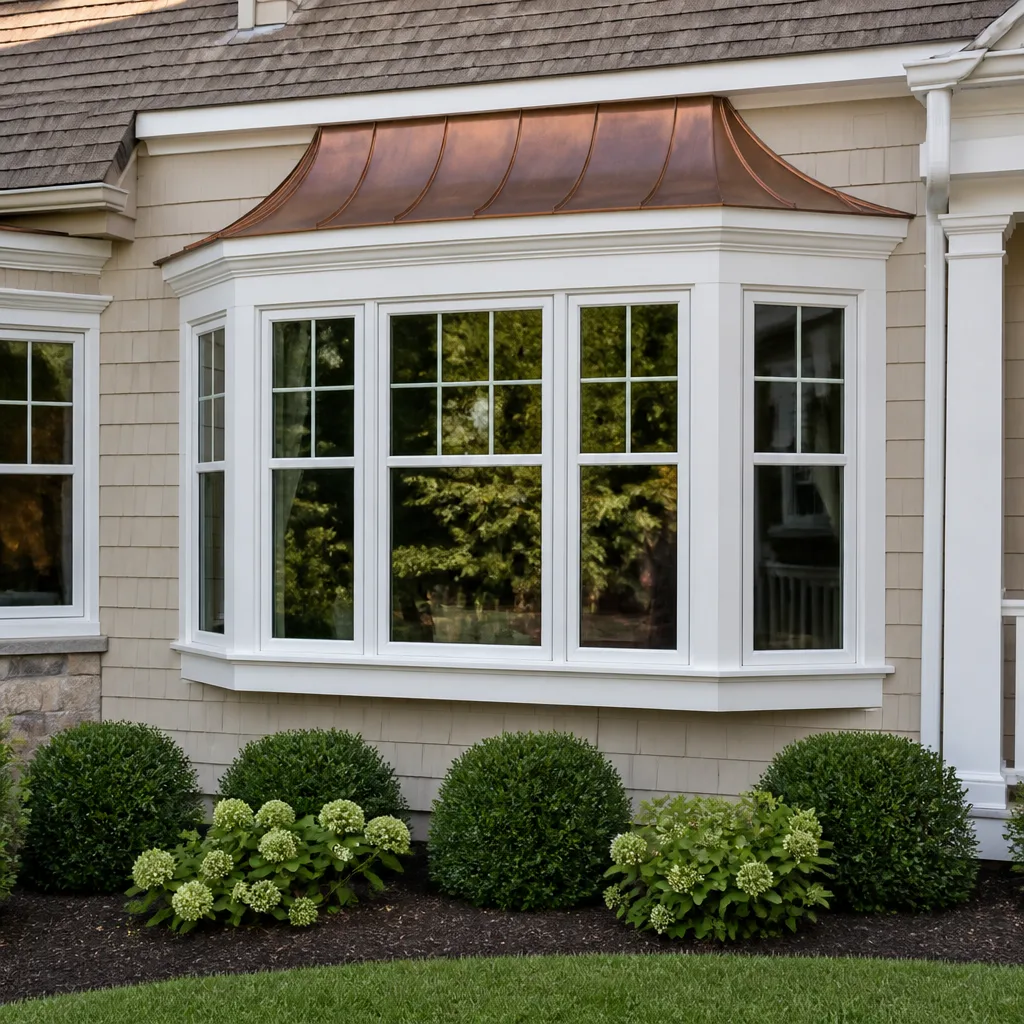
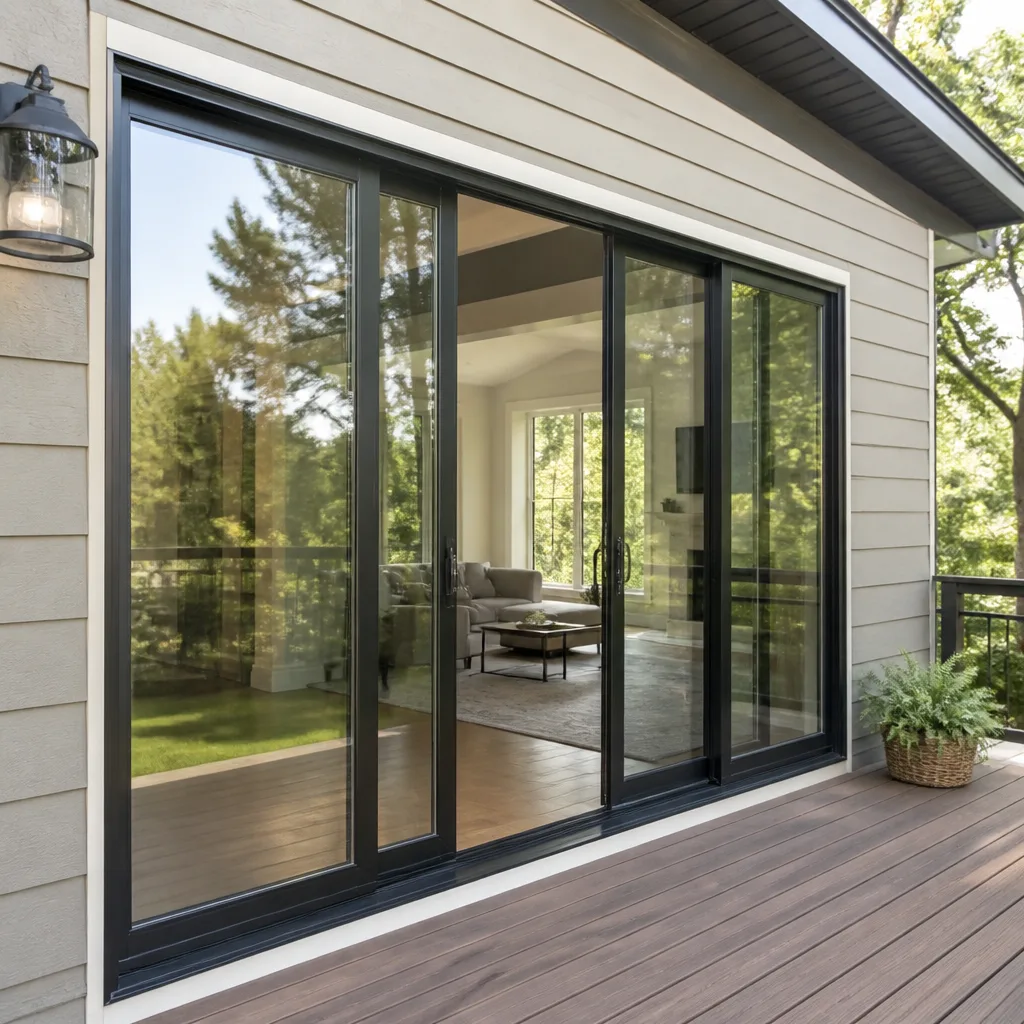
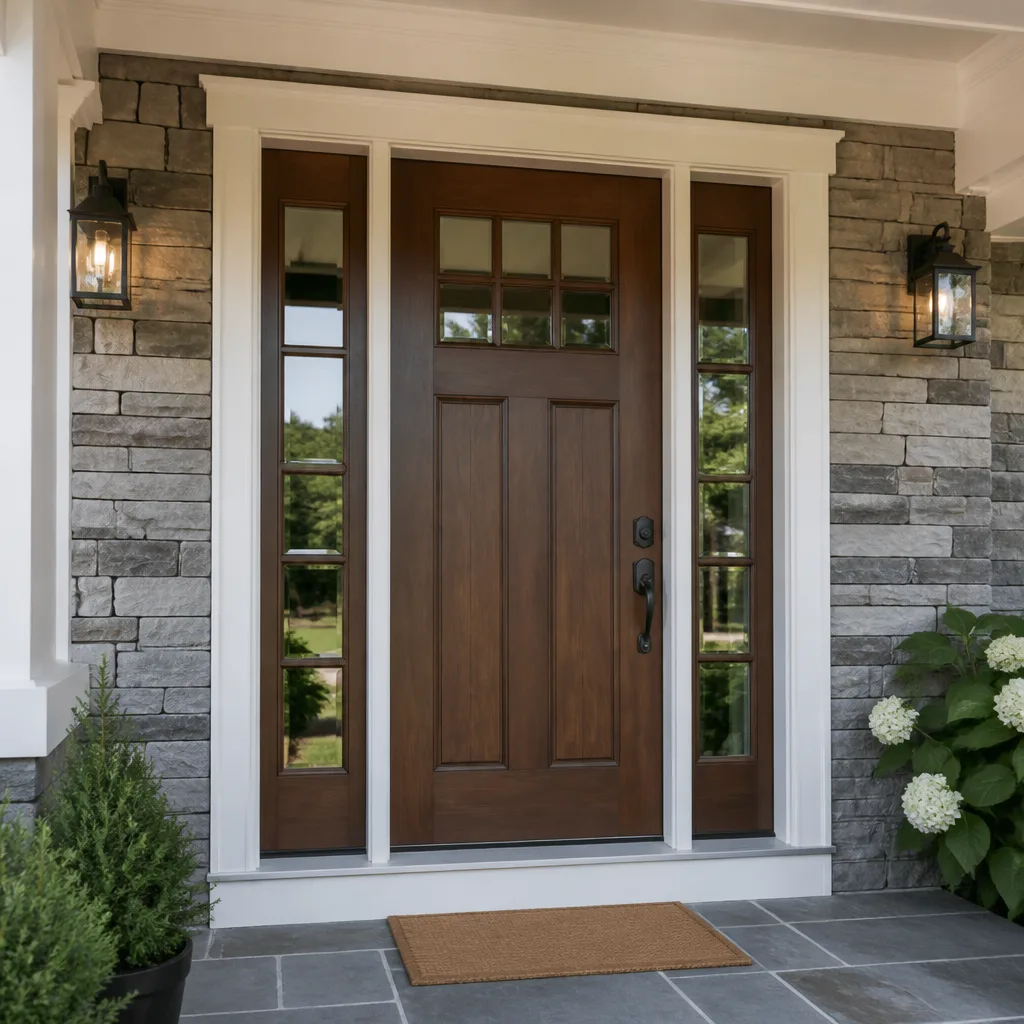
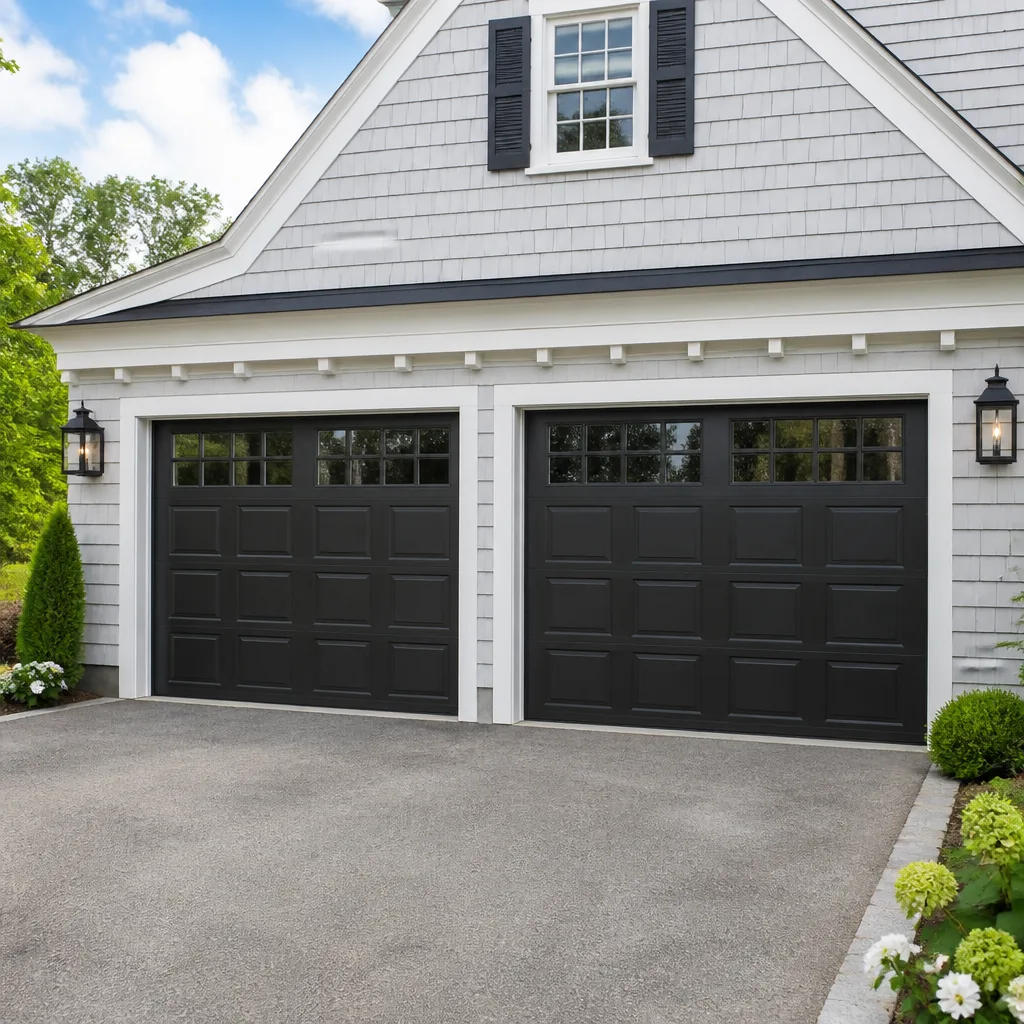
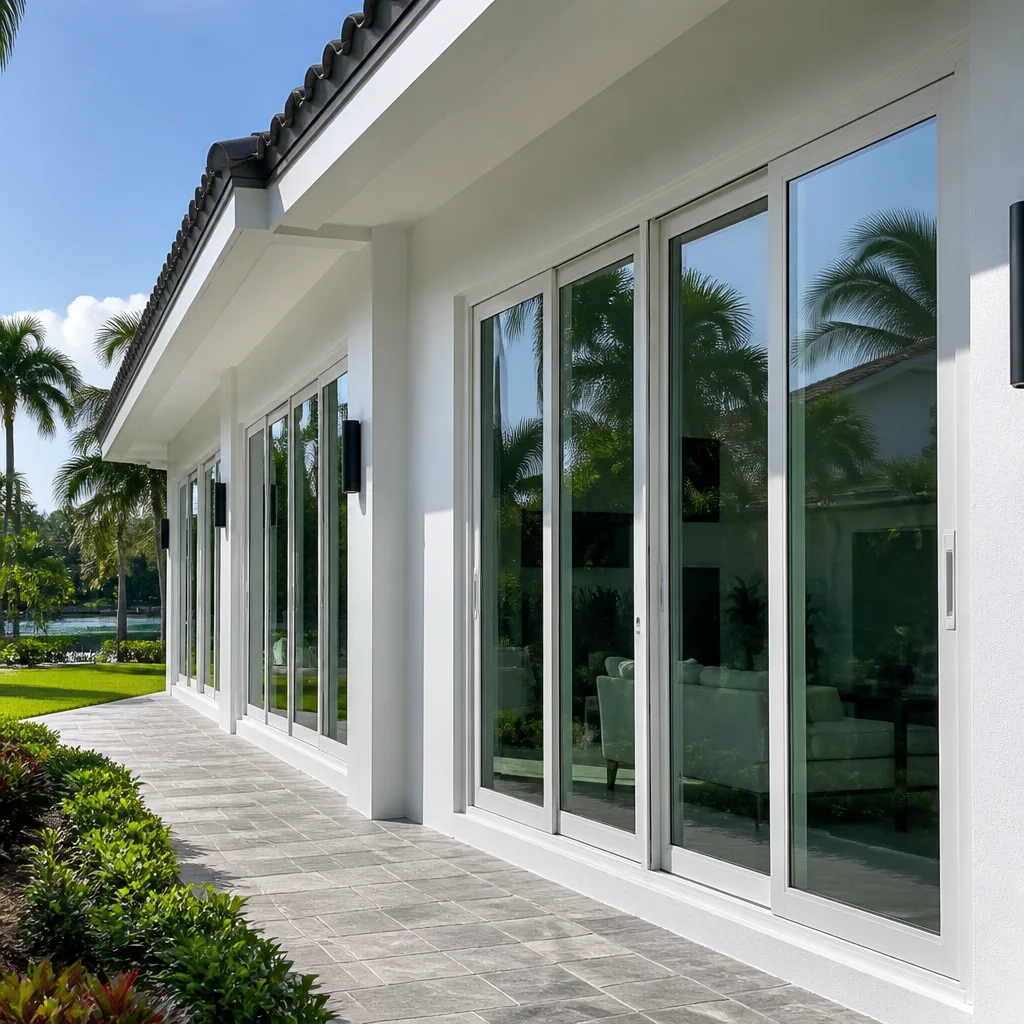
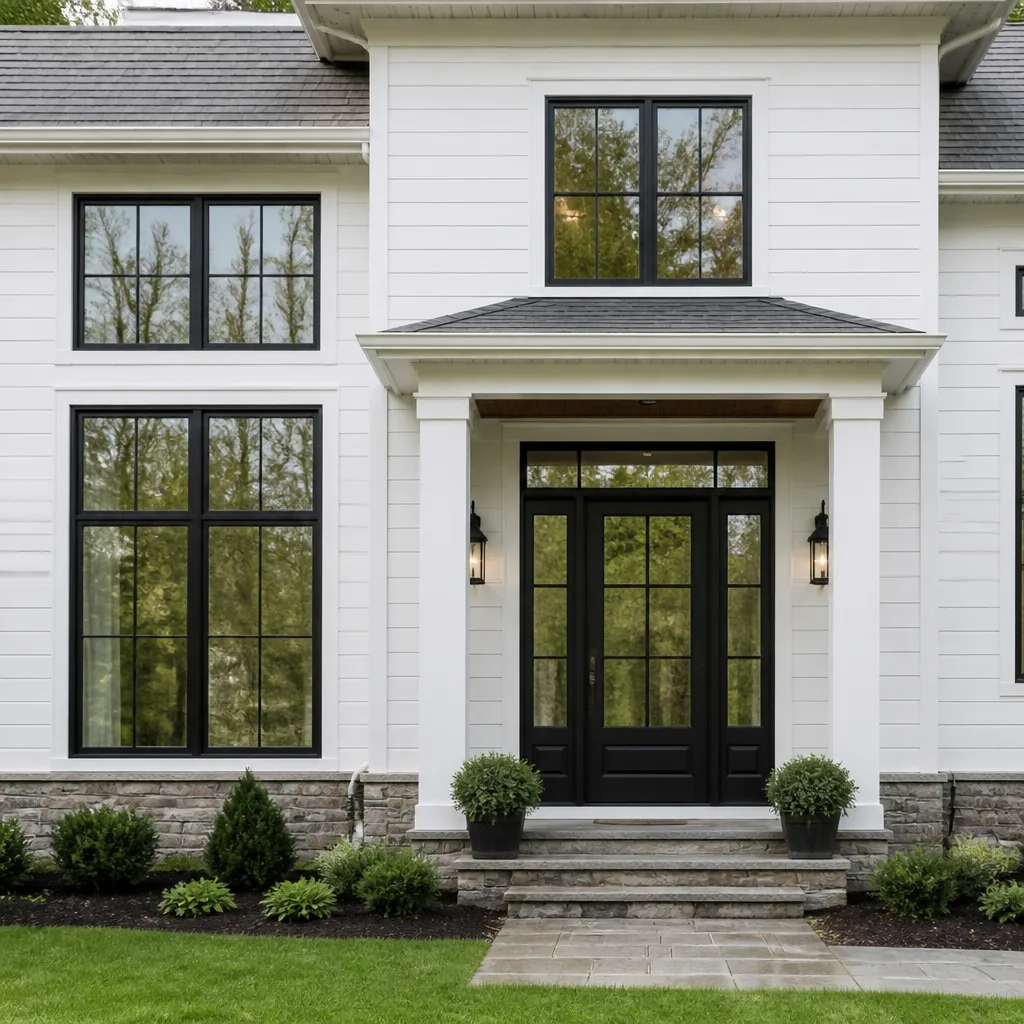
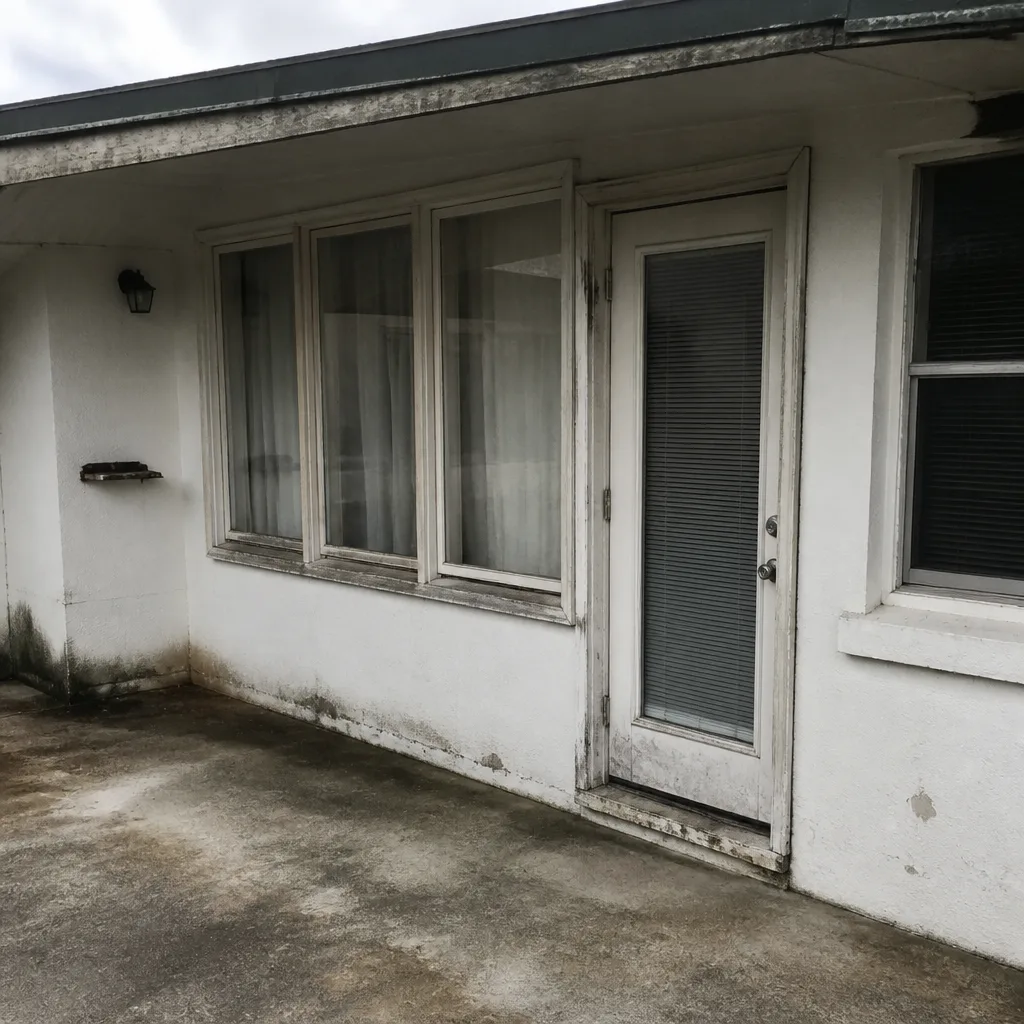 Before
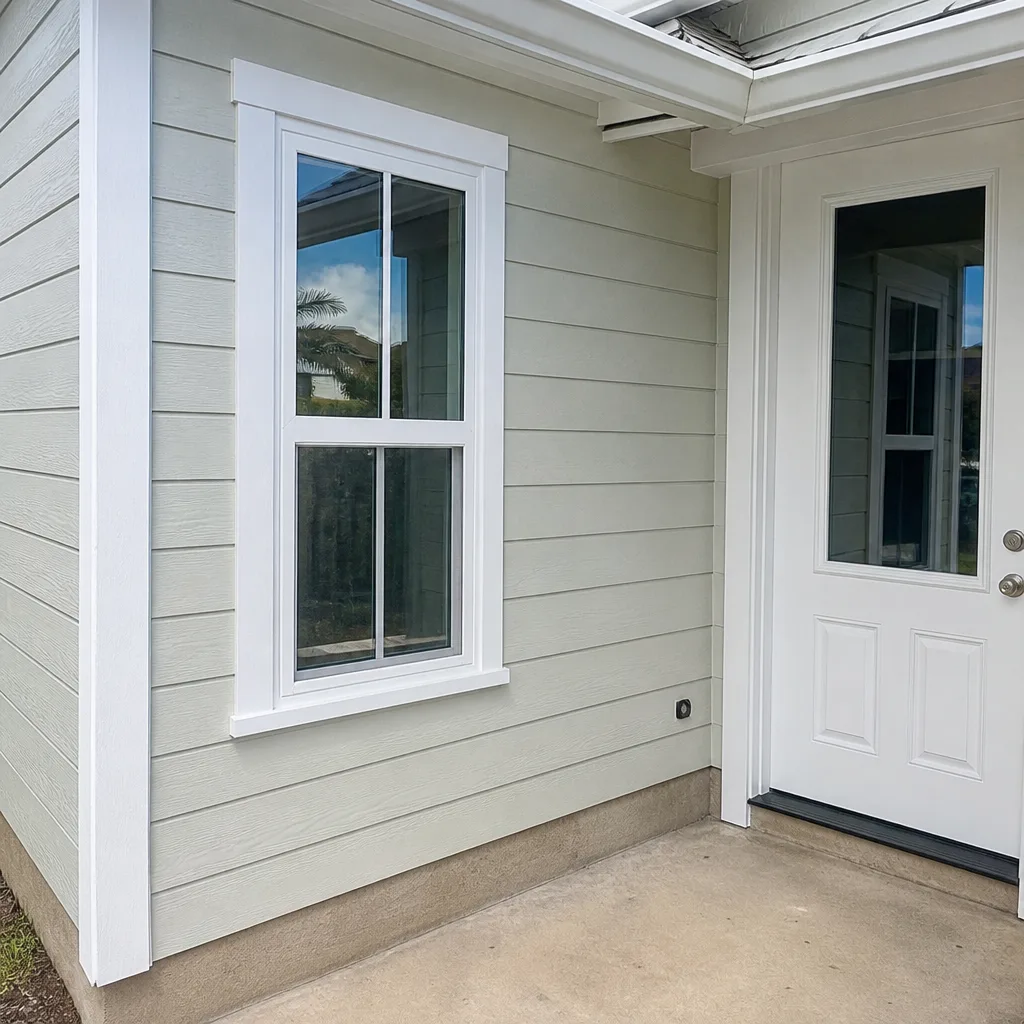 After
After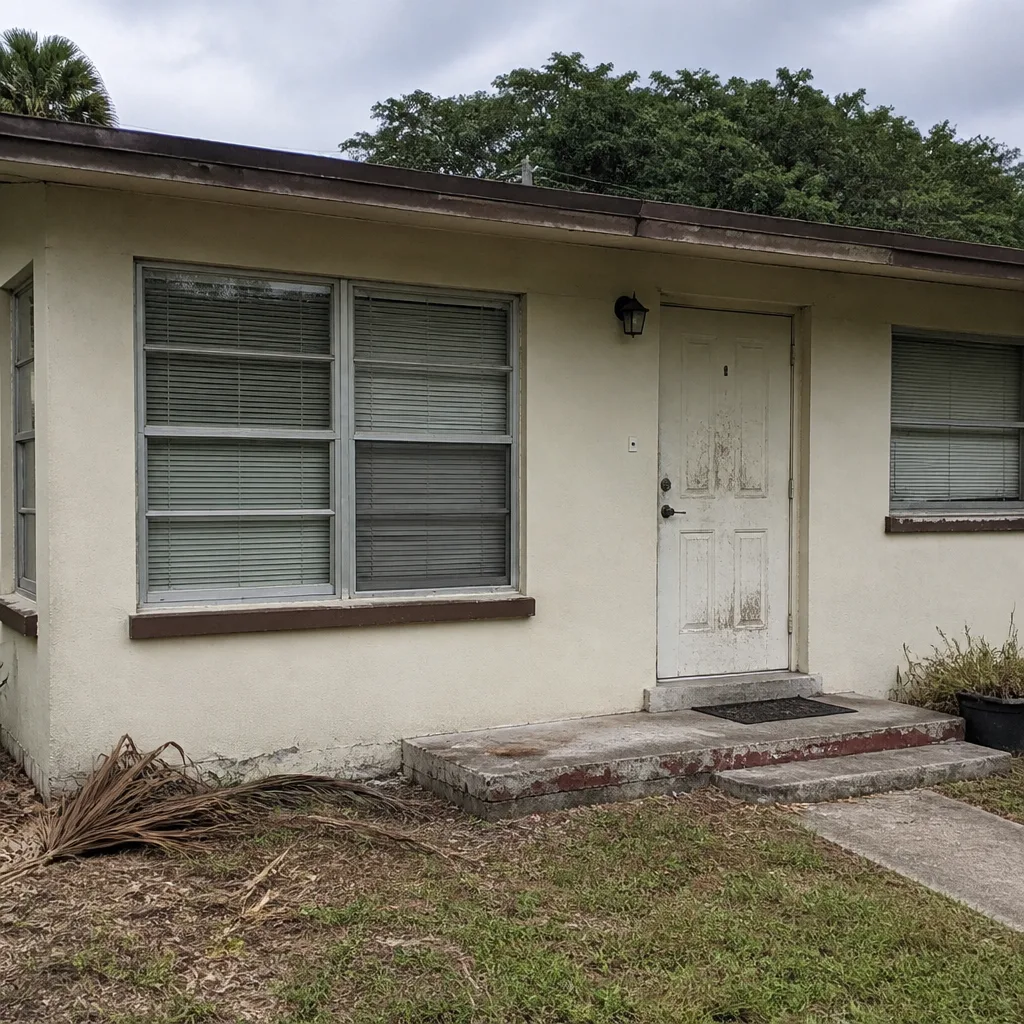 Before
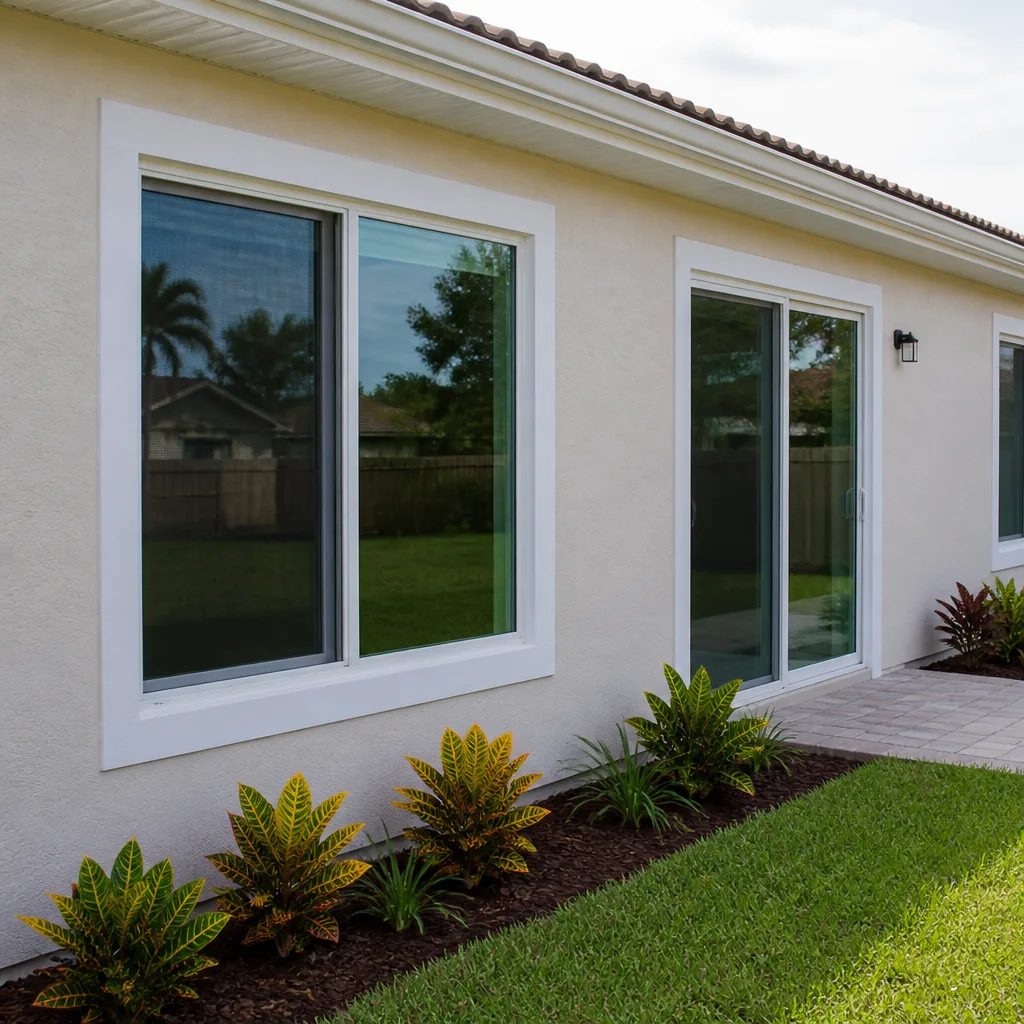 After
After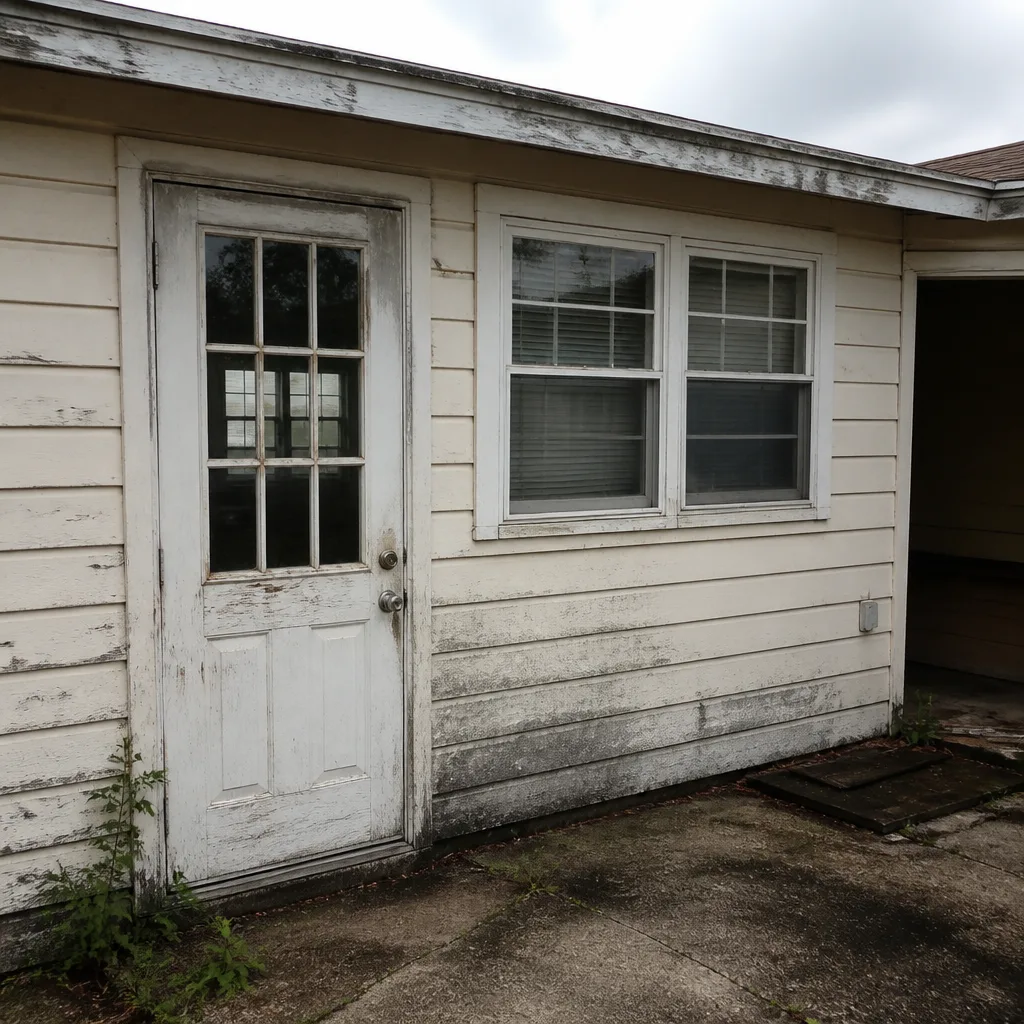 Before
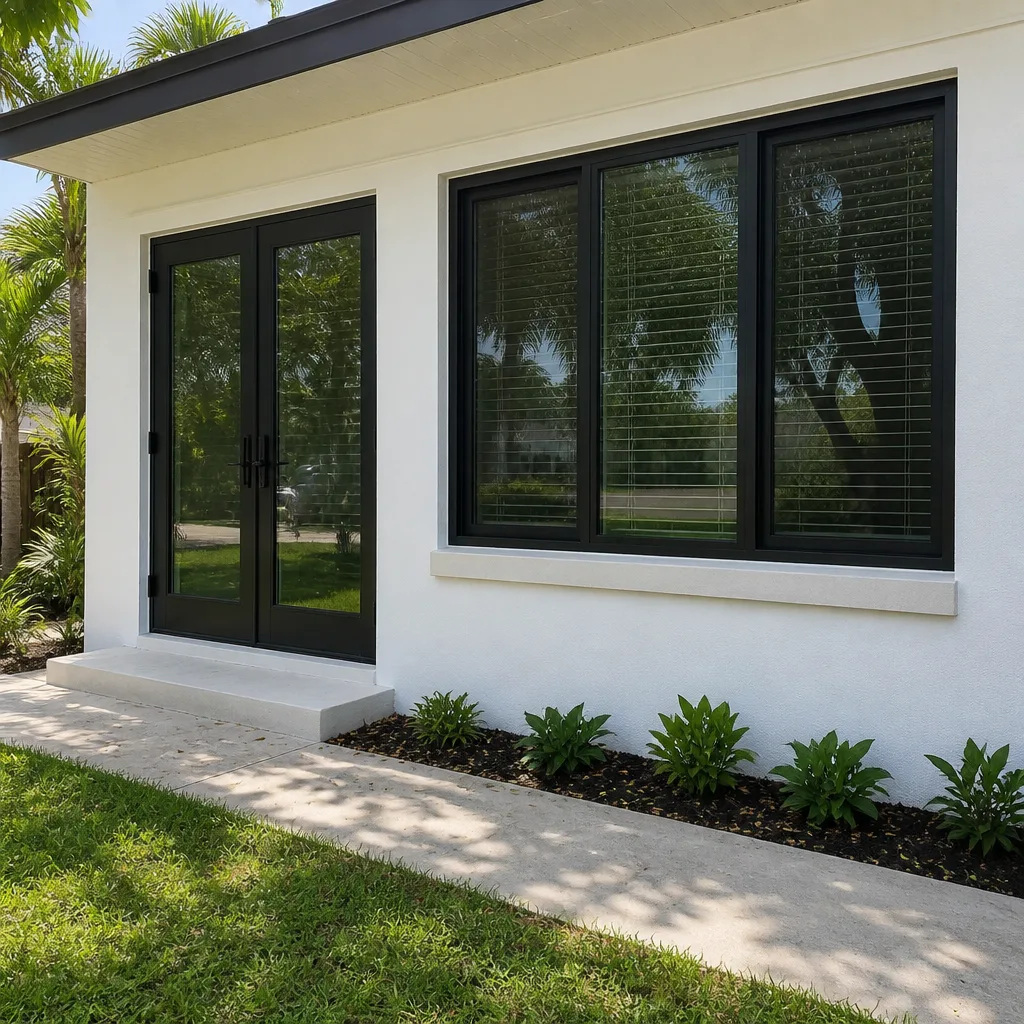 After
AfterThe Complete Guide to Windows & Doors in Brownsville
Brownsville averages over 215 sunny days a year and sits in a High-Velocity Hurricane Zone, yet most “complete guides” are written for Orlando or Houston and quietly don’t apply here. That’s a problem because a window that performs beautifully in central Texas will get chewed up by Brownsville’s salt air, border-region dust, and the specific wind pressures that slam Cameron County. This guide is different. We’re going to walk through exactly what matters for windows and doors in Brownsville, Texas: the climate numbers you should care about, the code requirements that actually apply, the product ratings that mean something locally, and the order-of-operations decisions that save you from paying twice.
Quick Answer
Windows and doors in Brownsville need to be selected for three things simultaneously: High-Velocity Hurricane Zone (HVHZ) wind ratings, low solar heat gain coefficients for our extreme sun load, and materials that hold up against border-region dust and Gulf humidity. Most homeowners here will want impact-rated windows with an SHGC of 0.25 or lower, installed by a local contractor who understands Texas Department of Insurance windstorm requirements-see our guide on how to hire a windows & doors contractor in Brownsville-not a national chain reading from an Orlando playbook. A full-home window and door replacement in Brownsville typically falls in the $18,000-$42,000 range, depending on product grade and opening count.
Table of Contents
- Why Brownsville’s Climate Makes This a Different Conversation
- HVHZ and Texas Windstorm Codes: What Actually Applies Here
- SHGC vs. U-Factor: Why Sun Control Beats Insulation in Brownsville
- Product Selection: What Actually Holds Up on the South Texas Coast
- The Dust Factor: Why Seal Degradation Happens Faster in the RGV
- Retrofit vs. Replace: A Decision Tree for Brownsville Homes
- Sequencing Windows, Doors, and Roofing So One Project Doesn’t Undo Another
- What Windows and Doors Cost in Brownsville
Why Brownsville’s Climate Makes This a Different Conversation
Brownsville sits at the southernmost tip of Texas, roughly 25.9 degrees north latitude. That means the sun beats down at a near-vertical angle for much of the year, pushing solar heat through glass at rates that Dallas or Houston homeowners never experience. The Rio Grande Valley also sees humidity that hovers between 70 and 90 percent for months at a time, with average summer highs in the mid-90s and heat indexes routinely crossing 105 degrees. Any window or door you put in a Brownsville home is fighting a two-front war: radiant heat from an unforgiving sun and moisture intrusion from air that never really dries out.
Then there’s the wind. Brownsville isn’t just in a coastal county. It’s in a High-Velocity Hurricane Zone, the same designation applied to Miami-Dade and Broward counties in Florida. When Hurricane Hanna came ashore in 2020, it did so as a Category 1 storm and still managed to strip siding and roof decking from hundreds of RGV structures. The takeaway: even a “minor” storm here hits differently than it does 200 miles inland, and your windows and doors are the first line of defense.
What this means practically is that the standard, big-box-store window packages marketed to “Texas homeowners” are frequently insufficient for Brownsville. A window built to meet the Texas Department of Insurance’s inland wind zone requirements can fail the stricter coastal-zone standards that apply to Cameron County. When you’re comparing quotes, you need to know which products are rated for HVHZ, not just which ones say “storm-ready” on the box.
HVHZ and Texas Windstorm Codes: What Actually Applies Here
Here’s the part that confuses almost every homeowner first researching this topic: Texas uses a tiered system for windstorm building requirements, and Brownsville sits in the most demanding tier. The Texas Department of Insurance (TDI) designates specific portions of the Texas coast as “catastrophe areas” for windstorm insurance purposes. Cameron County, including Brownsville, falls squarely within this designation. That means new construction and substantial remodels in Brownsville must install exterior openings (windows, doors, skylights) that are either impact-rated or protected by an approved shuttering system.
In practical terms, your windows and doors in Brownsville generally need to meet one of these standards:
- ASTM E1996 / ASTM E1886: The twin standards for impact resistance. A window or door tested to these standards has been hit with a 9-pound 2×4 fired at 34 mph (for the most demanding missile level) and then subjected to thousands of positive and negative pressure cycles. If it holds, it earns an impact rating.
- TAS 201/202/203 (Florida protocols): Many manufacturers test to Florida’s protocols because they’re widely accepted in Texas coastal designations as well. Products carrying a TAS approval have passed large-missile impact testing plus cyclic wind pressure testing.
- Miami-Dade NOA (Notice of Acceptance): The gold standard for HVHZ products. If a window or door carries a Miami-Dade NOA, it’s been tested and approved for the most demanding coastal applications in the United States. Brownsville’s designation mirrors the conditions these products are built for.
Here’s where we see Brownsville homeowners get into trouble: they buy a window that’s “wind-resistant” or “meets Texas building code,” but it only meets the inland wind zone standards (ASTM E330 for structural load without impact). That means it’s designed to handle wind pressure but not flying debris. In an HVHZ, debris impact is the whole point. A 2×4 traveling at 34 mph will punch straight through a standard double-pane window. An impact-rated window will crack and spiderweb but hold its structural integrity, keeping the building envelope sealed and preventing the pressure differential that can lift roofs off houses.
When you’re comparing Impact Windows in Brownsville, ask for the product’s Notice of Acceptance (NOA) number or TDI evaluation report. Every legitimate impact product has one. If a contractor can’t produce it, walk away.
SHGC vs. U-Factor: Why Sun Control Beats Insulation in Brownsville
If you read a generic windows guide, it will spend a lot of time on U-factor, which measures how well a window prevents heat from escaping through the glass. That’s important in Minneapolis. It’s secondary in Brownsville. The number that matters here is the Solar Heat Gain Coefficient, or SHGC, which measures how much of the sun’s radiant heat passes through the glass into your living space.
Think about it this way: Brownsville sees 215-plus sunny days per year and summer temperatures that routinely exceed 95 degrees. Your windows are constantly receiving direct solar radiation. A window with a high SHGC (say, 0.40) is essentially a greenhouse panel. It lets 40 percent of the sun’s heat energy inside your home, forcing your air conditioner to run continuously from April through October. A window with a low SHGC (0.25 or lower) blocks 75 percent of that same heat. The difference in energy costs, year over year, is measured in the hundreds of dollars, not the tens.
Here are the target numbers we recommend for Brownsville homes:
- SHGC: 0.25 or lower. This is the single most important performance metric for our climate. Impact glass with a Low-E coating can achieve SHGC values of 0.20-0.25 without sacrificing visible light transmittance.
- U-factor: 0.50 or lower for non-impact, 0.65 or lower for impact glass. Lower is better, but once you’re under 0.50, you’re chasing diminishing returns in a cooling-dominated climate. Spend your budget on better SHGC instead.
- Visible Light Transmittance (VT): 0.45 or higher. Don’t let low SHGC turn your house into a cave. Good Low-E glass can block heat while still letting in plenty of natural light.
- Air Leakage (AL): 0.30 or lower. In a humid, dusty environment, any air leakage carries moisture and particulate into your home. Tighter is better.
When we spec windows in Brownsville neighborhoods like Rancho Viejo, Paseo de la Resaca, or Los Fresnos, we’re always thinking about which direction each opening faces. West-facing and south-facing windows take the worst of the afternoon sun here. Those openings might justify a premium glass package with an even lower SHGC, while east-facing windows can get away with a slightly higher solar gain without cooking the room. This is the kind of opening-by-opening analysis that generic online guides can’t do for you, but a local contractor should be doing on every quote.
Product Selection: What Actually Holds Up on the South Texas Coast
Not every “impact-rated” product is built for the same conditions. A product tested for Broward County, Florida is fighting the same battle as one installed in Brownsville: high wind, salt-laden air, intense UV exposure, and year-round humidity. But a product marketed as “impact-rated” without carrying the specific test certifications we discussed above may only be rated for missile impact at lower wind speeds, or it may not be tested for cyclic pressures at all.
Here’s what we look for, and what we install, in South Texas:
PGT WinGuard
PGT builds impact windows and doors in Florida specifically for the HVHZ market. Their vinyl and aluminum lines carry Miami-Dade NOAs and are tested for large-missile impact plus thousands of pressure cycles. The reason we trust them in Brownsville is straightforward: PGT has spent 40-plus years engineering for the exact conditions we deal with here. Their WinGuard series uses a heavy-duty aluminum or vinyl frame with a laminate interlayer in the glass that holds the pane together when impacted. In our experience, PGT products hold up well against the salt air and intense UV that shorten the service life of lesser windows.
CGI (Custom Glass Innovations)
CGI is less well-known to the general public but is a favorite among contractors who work in coastal Texas. Their window and door systems are built for high-end coastal applications, with an emphasis on both structural performance and visual appeal. CGI products carry Miami-Dade NOAs and are available in configurations that other manufacturers don’t offer, including large-span sliding glass doors and custom geometric shapes. If you have a Brownsville home with oversized openings or modern architectural lines, CGI is worth looking at.
Therma-Tru Doors
For entry doors, Therma-Tru is the name that keeps coming up in coastal applications. Their fiberglass door systems are dimensionally stable in high-humidity environments, which matters a lot in a city where the relative humidity rarely drops below 70 percent between May and October. Wood doors in Brownsville swell, warp, and rot in a few years unless they’re meticulously maintained. A fiberglass Therma-Tru door with a high-quality finish can go a decade or more with nothing but a wash. They also offer impact-rated door systems that are approved for HVHZ installations.
Mr-Glass
For retrofit applications where a homeowner wants to keep their existing window frames but add impact-rated glass, Mr-Glass products are a solid option. The company specializes in laminated glass solutions that can be cut to fit existing openings, which is sometimes the most cost-effective path to impact protection in older Brownsville homes with non-standard frame sizes. This isn’t the right choice for every project, but it’s an option that national chains won’t even discuss because it requires actual glass knowledge, not just order-taking.
Our advice on product selection comes down to this: ask for the NOA number. Window installation in Brownsville isn’t a generic job, and a contractor who can’t tell you which wind zone a product is rated for is a contractor who doesn’t understand the local code requirements. At Winslow Windows & Doors, we’re authorized installers for PGT, CGI, CWS, ES Windows, ECO Window Systems, Mr-Glass, Therma-Tru. That’s not a brag. It means we’ve been through each manufacturer’s training and certification process, and we can stand behind the installation work on those specific product lines.
The Dust Factor: Why Seal Degradation Happens Faster in the RGV
Brownsville has a dust problem. It’s not something most people think about when they’re shopping for windows, but it should be. The Rio Grande Valley sits at the southern end of the Great Plains dust corridor, and the prevailing southeasterly winds off the Gulf pick up fine particulate from the agricultural fields and caliche-rich soils that surround the city. That dust is abrasive. Over time, it works its way into window track mechanisms, wears away weatherstripping, and accelerates the breakdown of rubber seals and gaskets.
We see this specifically in homes near the resacas and in the newer developments on the northwest side of Brownsville, where open ground and construction activity put more particulate in the air. Windows that would last 15 years in a milder climate start showing seal failure at the 8 to 10 year mark here if they’re not properly maintained. The glass itself gets hazy (which is a failed insulating glass seal), the tracks get gritty, and the locks start binding.
Here’s what that means for product selection:
- Fiberglass and aluminum frames outperform wood in dust-heavy environments. Wood frames have more joints and seams where dust can infiltrate and cause warping. Aluminum and fiberglass are less porous and easier to clean.
- Look for windows with high-quality weatherstripping that’s rated for repeated compression cycles. Cheap weatherstripping will flatten out and lose its seal within a few years in this environment.
- Pay attention to screen quality. A good screen does double duty in Brownsville: it keeps insects out and reduces the amount of dust that reaches the glass and weatherstripping. Fiberglass screen mesh is fine. Stainless steel mesh is better for longevity.
- Choose hardware with sealed bearing systems. External hardware on windows and doors will be exposed to abrasive dust constantly. Sealed bearings and corrosion-resistant finishes (stainless steel, powder-coated aluminum) outlast plated hardware by years.
One more dust-related note: you’ll be cleaning your windows more often in Brownsville than the average American homeowner. That’s a fact of life at 25 degrees north with agricultural lands on two sides. When you’re choosing window styles, think about how easy it is to access the exterior glass for cleaning. Double-hung windows with tilt-in sashes make this much simpler than fixed or casement windows that require ladder access. This isn’t a deal-breaker, but it’s the kind of real-world detail that matters after year three of dusty sills.
Retrofit vs. Replace: A Decision Tree for Brownsville Homes
One of the most consequential decisions you’ll make-covered in depth in our DIY vs Professional Windows & Doors: The Brownsville Homeowner’s Decision Guide-is whether to retrofit your existing window openings with impact glass or tear out the old frames and install new windows entirely. Both approaches can get you to code compliance and storm safety. But the cost, disruption, and long-term performance differ significantly.
Here’s the decision tree we walk our Brownsville customers through:
- Check the condition of your existing frames. Are they square? Do they show signs of rot (wood), corrosion (aluminum), or cracking (vinyl)? If the frames are structurally sound and you’re happy with the style and operation, retrofit is a viable option. If the frames are compromised, replacement is the only honest choice.
- Check for moisture intrusion around the openings. In Brownsville’s humidity, water damage behind window frames is common, especially in homes built before modern flashing standards. If you see staining on interior drywall, soft wood around the frame, or evidence of past leaks, you need full-frame replacement. Retrofit products don’t fix existing water intrusion.
- Consider your energy goals. Retrofit impact glass can deliver good SHGC performance, but you’re keeping the existing frame, which may have higher air leakage than a new, tight-fitting replacement window. If energy efficiency is a major goal, full replacement with a low-SHGC, low-AL window is the better path.
- Look at the age of the building. Homes built in Brownsville before 1990 often have non-standard opening sizes and older framing practices. Full replacement gives you the opportunity to correct flashing, insulation, and alignment issues that a retrofit can’t address.
- Ask yourself if the existing windows function well. Do they open and close smoothly? Are the locks solid? Do they provide good ventilation? If the answer is no, you’re dealing with operational problems that retrofit glass won’t solve. Replace them.
- Run the numbers. Retrofit impact glass typically costs 30 to 40 percent less than full replacement per opening. But if you’re going to replace the windows within five years anyway because of frame condition or operation, retrofitting now means paying twice. A good contractor will help you think through the total cost of ownership, not just the invoice.
In our experience, maybe 60 percent of Brownsville homes are good candidates for full replacement rather than retrofit. The coastal environment here is tough on building materials, and by the time a homeowner is thinking about impact protection, they’re usually also dealing with 15-year-old frames that have been through multiple storm seasons and years of sun exposure. Retrofit makes the most sense for newer homes (built after 2005) or for homeowners whose primary concern is storm protection with a budget that can’t stretch to full replacement.
Sequencing Windows, Doors, and Roofing So One Project Doesn’t Undo Another
Brownsville homeowners often face a chicken-and-egg problem: the roof needs work, the windows are old, and the doors don’t seal properly, but which project comes first? The order matters more than you might think, and getting it wrong can mean paying for the same work twice.
Here’s the sequence we recommend:
- Start with the roof. If you have a leaking or aging roof, anything you do to the windows and doors below it is at risk. New windows installed under a roof that fails six months later will be exposed to water intrusion that can damage the interior finishes and void warranties. Roof first, always. This is also the right moment to think about whether you’re moving to impact-rated roofing materials, which ties into your overall windstorm strategy.
- Windows before doors. Window installation often requires adjustments to the rough openings, flashing, and exterior trim. If you’re doing full-frame replacement, you’ll be cutting into the exterior wall and potentially the siding or stucco. It’s much easier to install windows first and then fit new doors to match, rather than installing doors and discovering that window work damages the door framing or finish.
- Doors last, but not as an afterthought. Doors are the final touch, but they need to be spec’ed at the same time as windows so the impact ratings, finishes, and hardware match. If you’re doing impact windows, you need impact-rated doors too, or the building envelope has a gaping hole in it. Think of windows and doors as one system, ordered together even if installed sequentially.
- Coordinate the permits. In Brownsville, any substantial exterior work requires city permits, and TDI windstorm compliance adds a layer of documentation. Do all of this as one process with one contractor if possible. A single set of permits, a single set of inspections, and a single point of accountability is simpler than managing three separate projects.
If this sounds like a lot to coordinate, it is. That’s genuinely the case. But this is also where window replacement in Brownsville becomes a sequencing question as much as a product question. We’ve seen too many homeowners pay for new windows, only to have a roofing crew damage them the following month, or install beautiful new impact doors without realizing their window frames were leaking water into the walls. The projects interact. A locally owned contractor who handles windows, doors, and roofing under one roof can see those interactions before they become expensive surprises.
What Windows and Doors Cost in Brownsville
Pricing questions are the ones we get most often, and we’d rather give you real numbers than vague ranges. Keep in mind that every home is different, and the figures below reflect typical mid-range product selections in the Brownsville market as of 2025. Custom sizes, premium finishes, and structural complications will move the numbers.
| Project | Typical Range | Notes |
|---|---|---|
| Impact window (standard size, single opening) | $1,200 - $1,900 per opening | Includes product, installation, and permitting. PGT or equivalent grade. |
| Full-home window replacement (12-15 openings) | $18,000 - $32,000 | Depends on window count, frame material, and glass package. |
| Impact sliding glass door (standard 72″ opening) | $5,500 - $9,500 per door | Cost varies significantly by product line and configuration. |
| Entry door replacement (impact-rated, fiberglass) | $3,800 - $7,200 per door | Therma-Tru or equivalent; includes hardware and finish. |
| Retrofit impact glass (existing frames) | $800 - $1,400 per opening | Only viable when existing frames are in good condition. |
| Full window + door package (whole home) | $26,000 - $42,000 | Combined project pricing typically includes some efficiency. |
These prices reflect the Brownsville market, where material costs include freight to the southern tip of Texas and labor rates reflect the local market. You may see lower numbers advertised by national chains, but those quotes often exclude permitting, trim work, or the specific impact-rated products required for TDI compliance. Get line-item quotes. Ask what’s included. And if a price seems too good to be true, ask for the NOA number and watch what happens.
One more cost note: Winslow Windows & Doors offers a standing 10 percent discount for seniors and veterans, $40 off any repair over $200, and free second opinions on written estimates. There’s no trip charge inside our home county. These aren’t promotions. They’re permanent policies, and they’ve been in place since Ed Winslow founded the company in 2011.
Common Mistakes to Avoid
- Buying windows based on U-factor alone. In Brownsville’s cooling-dominated climate, SHGC is the metric that determines your energy bills. Prioritize low SHGC over ultra-low U-factor.
- Assuming all “impact-rated” products are equal. There’s a meaningful difference between a product tested to ASTM E1996 at a lower missile speed and one carrying a Miami-Dade NOA for large-missile impact. Ask for the certification documentation.
- Retrofitting impact glass into failing frames. If your existing frames are corroded, warped, or leaking, adding impact glass won’t fix the underlying problems. You’ll pay for the glass and then pay again for full replacement when the frames fail.
- Skipping the permit process. TDI windstorm compliance requires documentation. Unpermitted work can create problems with your windstorm insurance certification and resale. A legitimate Brownsville contractor pulls permits on every job.
- Choosing windows without considering cleaning and maintenance. The RGV’s dust load means you’ll be cleaning windows more often. Tilt-in sashes and corrosion-resistant hardware matter more here than in most markets.
- Sequencing projects backward. New windows installed under a failing roof is money at risk. Roof first, then windows, then doors.
- Treating doors and windows as separate purchases. The building envelope is a system. Impact windows with non-impact doors is a gaping hole in your storm protection. Order them as a matched set.
When to Call a Professional
Any full window or door replacement in Brownsville should be handled by a licensed, insured contractor who understands TDI windstorm requirements and can produce product certification documentation. For ongoing care tips, see our Impact Windows Maintenance Checklist for Brownsville Homeowners. That’s the baseline. Beyond that, call a professional when you see signs of water intrusion around window or door openings (staining, soft drywall, visible gaps), when your existing windows have failed seals (fogging between panes), when you’re planning a roof replacement and want the window and door work coordinated, or when you’ve received an estimate that seems significantly lower than the ranges above and you want a second opinion. Winslow Windows & Doors offers free estimates in Brownsville with no trip charge inside our home county. Call (727) 860-0593 and a live person answers, 24 hours a day. We’ll come out, look at your openings, talk through your options, and give you a written, line-item quote. If you already have a written estimate from another company, bring it. We’ll give you a free second opinion. Ed’s name is on the door, and on every job we do.
Frequently Asked Questions
Yes, for new construction and substantial remodels in Cameron County, Brownsville’s HVHZ designation means exterior openings must be impact-rated or protected by an approved shuttering system under Texas Department of Insurance windstorm requirements. For existing homes, impact windows are not legally mandated unless you’re doing a major renovation, but they provide meaningful protection against both storm damage and break-ins, and they can reduce your windstorm insurance premiums.
A wind-resistant window is designed to handle wind pressure but has not been tested for debris impact, while an impact-rated window has passed ASTM E1996/E1886 or TAS testing, including a 9-pound 2×4 fired at 34 mph followed by thousands of pressure cycles. In an HVHZ like Brownsville, debris impact is the critical failure mode; a wind-resistant window that gets hit by a piece of fence or a roof tile will shatter.
A full-home window replacement of 12 to 15 openings in Brownsville typically costs between $18,000 and $32,000 for impact-rated products with installation and permitting included, with most homes landing in the low-to-mid $20,000s. The final number depends on window count, frame material, glass package, and whether any structural repairs are needed around the openings. Call (727) 860-0593 for an exact quote; estimates are free.
It shouldn’t, if you’re working with a contractor who does proper up-front measurement and documentation. At Winslow Windows & Doors, we write line-item quotes based on accurate measurements and confirmed product availability, and we don’t do change orders unless there’s a genuine, verifiable condition change (like discovering rot in the rough opening that couldn’t be seen before demolition). If you’re being quoted by a company that hedges on price or uses vague language like “allowances” without defined numbers, ask for specifics before you sign. Upfront pricing, no surprises on the invoice.
Yes. Every full window and door replacement in Brownsville requires city permits, and TDI windstorm compliance adds documentation requirements. Winslow Windows & Doors pulls all required permits, arranges inspections, and provides the documentation you need for windstorm insurance certification. This isn’t optional in Cameron County, and any contractor who suggests skipping permits is putting you at legal and financial risk.
A full-home window and door replacement in Brownsville typically takes three to seven working days from first tear-out to final inspection, depending on the number of openings, the product type, and whether any structural repairs are uncovered. Simple single-opening replacements can be completed in one day. Retrofit impact glass jobs are typically faster, at two to four days for a whole home. We’ll give you a specific timeline on your written estimate, and we hold to it.
The Bottom Line
Windows and doors in Brownsville aren’t a commodity purchase. This is a High-Velocity Hurricane Zone with a brutal sun load, relentless humidity, and an abrasive dust environment that punishes cheap materials. The products that work here carry Miami-Dade NOAs, deliver SHGC ratings of 0.25 or lower, and are installed by contractors who understand TDI windstorm documentation. Sequence your project correctly: roof first, windows next, doors last. Get line-item quotes. Ask for certifications. Choose a local company that answers its own phone at 2 a.m. and has a published address and license number. That’s what we’ve built at Winslow Windows & Doors home over the past 15 years. Ed Winslow’s name is on the door, and Ed answers the phone. The one down the road.
Written by Ed Winslow, Owner at Winslow Windows & Doors, serving Brownsville since 2011. Browse more guides & resources from our team.
Six Reasons Homeowners Choose Winslow Windows & Doors
Impact systems engineered to design pressures up to +/-100, matched to your wind zone - your openings hold when the storm arrives.
Low-E insulated impact glass from our manufacturer lines commonly cuts monthly cooling bills 20-30%.
Laminated impact glass shuts out up to 40% of outside noise - traffic, neighbors, weather.
Monitoring services run $30-90 a month. Laminated impact glass resists forced entry around the clock, with no subscription.
Florida homeowners average around 25% savings on the windstorm portion of their policy after protecting every opening - some homes qualify for more.
A full impact package upgrades curb appeal, buyer confidence and appraised value in one project.